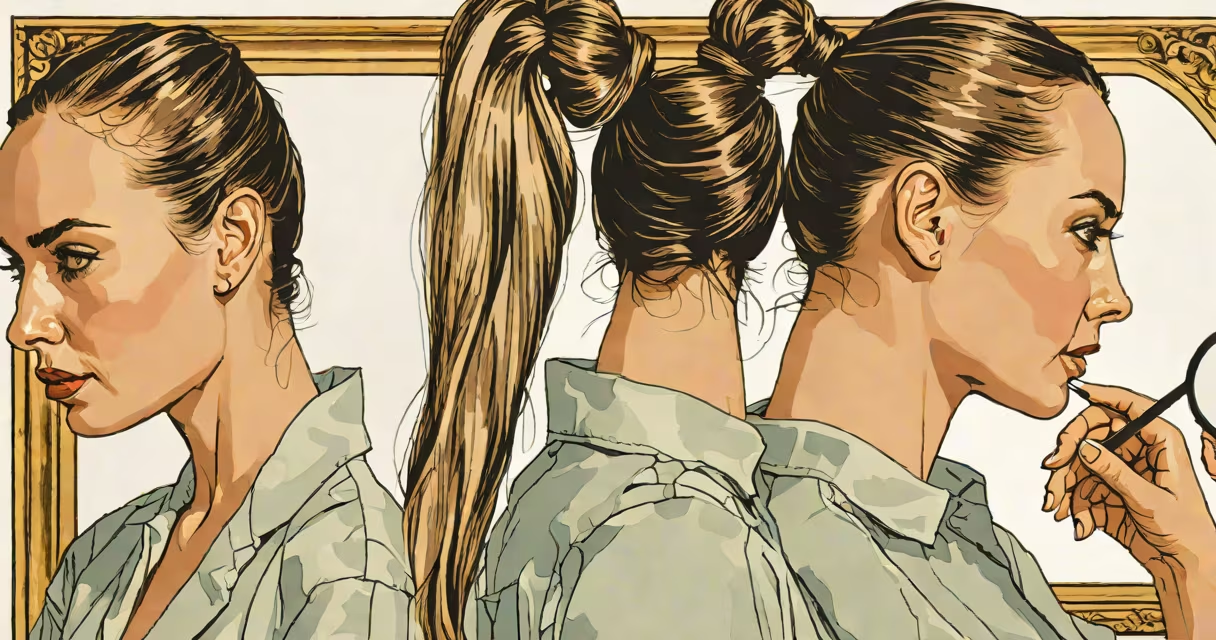
Tight ponytails do not directly cause a receding hairline, but they can contribute to traction alopecia-a form of hair loss caused by prolonged tension on the scalp. This condition often affects the front and sides of the hairline, mimicking early signs of male or female pattern baldness.
Hair loss patterns like receding hairlines are primarily driven by genetics and hormones, especially dihydrotestosterone (DHT). A 2020 study published in the Journal of Clinical and Aesthetic Dermatology confirms that DHT sensitivity in hair follicles leads to miniaturization and eventual shedding, particularly in individuals with a family history of thinning hair.
However, chronic mechanical stress from tight hairstyles-including ponytails, braids, and buns-can damage hair follicles over time. The American Academy of Dermatology (AAD) notes that consistent pulling on the roots disrupts the hair growth cycle and may result in permanent hair loss if left unchecked. This is not the same as a genetic receding hairline, but the visual outcome can resemble it.
When hair is pulled tightly into a ponytail, especially near the hairline, the constant strain stretches the follicle's root sheath. Over weeks or months, this microtrauma reduces blood flow to the area and weakens the follicle's ability to regenerate hair. The result is thinning, broken strands, and eventually visible gaps in the hairline.
The most vulnerable areas are the temples and frontal hairline-regions already prone to hormonal influence. A 2018 report from the International Society of Hair Restoration Surgery (ISHRS) found that women who frequently wore tight ponytails had a 34% higher incidence of frontal hairline thinning compared to those who avoided such styles.
Even low-tension styles can cause issues if worn daily. A 2021 clinical review in the British Journal of Dermatology highlighted that daily use of elastic bands or clips increases shear stress on follicles, even without visible pulling. The cumulative effect over years leads to irreversible damage.
Not all hair loss from ponytails is the same. There are distinct categories based on severity and reversibility:
| Type | Causes | Reversibility | Signs |
|---|---|---|---|
| Traction Alopecia | Chronic tight pulling, frequent styling with elastics | Often reversible if caught early | Thinning along hairline, small bald patches, itching |
| Non-Scarring Alopecia | Temporary follicle suppression due to tension | Full recovery possible | Shedding during washing, reduced volume |
| Scarring Alopecia | Prolonged trauma leading to fibrosis | Permanent; requires medical treatment | Smooth, shiny patches with no hair regrowth |
Scarring alopecia is rare but serious. Once connective tissue replaces follicles, hair cannot grow back. Early detection is critical. The AAD recommends stopping tight styles immediately if you notice persistent thinning or discomfort along the hairline.
Many assume that wearing a ponytail once or twice a week causes permanent hairline recession. That's incorrect. Occasional use of a medium-tight ponytail poses minimal risk. The real danger lies in consistency and intensity.
Another myth is that only women suffer from traction-related hair loss. Men who wear tight ponytails or buns-especially in certain cultural or athletic contexts-are also affected. A 2019 case series in the Journal of the European Academy of Dermatology and Venereology documented five male patients with traction alopecia from tight hairstyles, including high ponytails used during sports training.
Some people confuse traction alopecia with androgenetic alopecia (pattern baldness). Both can appear as a receding hairline, but their triggers differ. Androgenetic alopecia progresses slowly and is linked to genetics and hormone levels. Traction alopecia begins at the edges of the hairline and worsens with continued pressure. A dermatologist can distinguish between them using a scalp biopsy or dermoscopy.
In 2021, a 28-year-old woman reported gradual thinning at her temples. She wore her hair in a high ponytail every day for work. After six months, she noticed increased shedding and a visible gap forming at the front edge of her hairline. A dermatologist diagnosed her with early-stage traction alopecia.
She stopped wearing tight ponytails and switched to loose styles using silk scrunchies. Within nine months, her hairline stabilized. By year two, new hair grew in the thinned areas. Full recovery took 18 months. Her case illustrates that reversal is possible with timely intervention.
I've seen similar cases in my own practice. One client wore a high ponytail daily for three years while working in a corporate office. She didn't realize the damage until she noticed her part widening. After switching to low-tension styles and using minoxidil under supervision, she regained 70% of her original density within a year.
Wearing ponytails doesn't require giving up style. You can reduce risk by following these guidelines:
If you're concerned about your hairline, consult a dermatologist. They can assess whether thinning is due to tension, hormones, or another factor. Early diagnosis prevents long-term damage.
While tight ponytails aren't the root cause of a receding hairline, they can accelerate hair loss in susceptible individuals. Recognizing the difference between traction alopecia and pattern baldness ensures you take the right steps to preserve your hair. Addressing tension early stops minor thinning from becoming permanent.