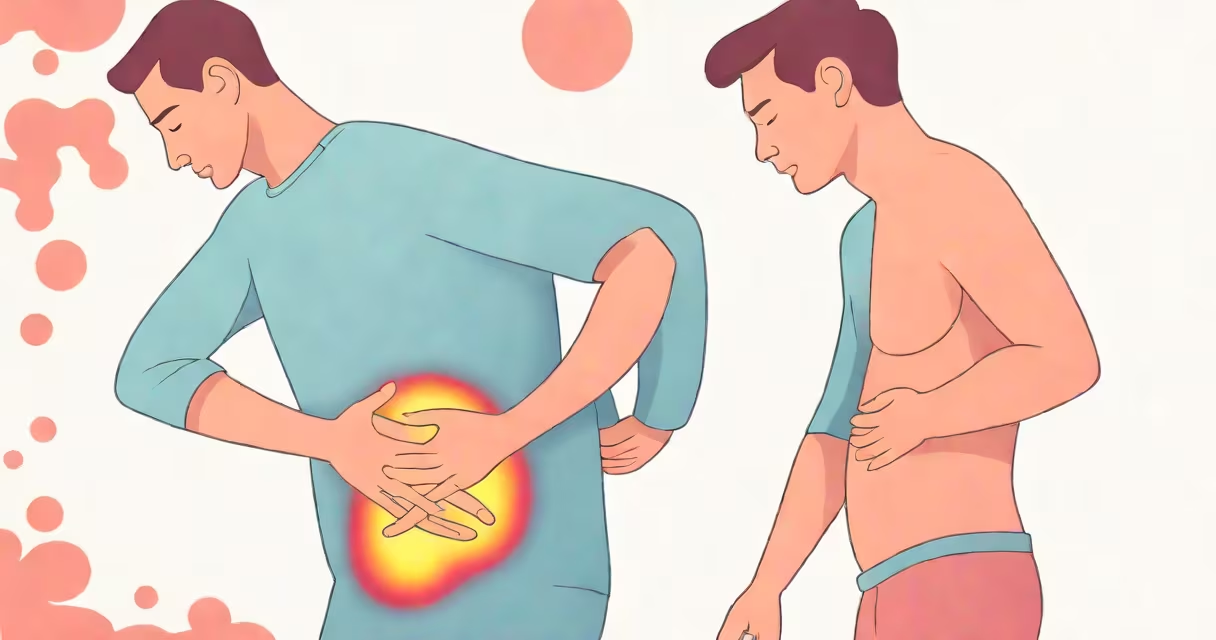
Yes, gas can cause back pain, especially in the lower back, due to pressure on nerves and muscles from trapped gas in the intestines. This occurs when gas accumulates in the colon or small intestine and irritates nearby structures.
Intestinal gas forms during digestion and is expelled through the rectum or absorbed into the bloodstream. When gas builds up in the large intestine, particularly in the sigmoid colon near the lower back, it can stretch the abdominal wall and press against the spine's supporting muscles and nerves. This leads to localized or radiating pain that feels like a dull ache or sharp twinge in the back.
Research from the American College of Gastroenterology notes that visceral pain from gastrointestinal sources often presents as referred pain in distant areas, including the back. A 2021 study published in Frontiers in Physiology confirmed that distension of the descending colon correlates with increased lumbar spine nerve activity, which can be perceived as back discomfort.
Gas doesn't travel directly to the back, but its presence in the abdomen creates mechanical and neurological effects. The intestines lie close to the lower spine and pelvis. When gas accumulates, it expands the abdominal cavity, pushing against the diaphragm and stretching connective tissues around the lumbar vertebrae.
This pressure activates nociceptors-pain receptors-in the abdominal lining. Signals from these receptors travel along spinal nerves and may be interpreted by the brain as originating from the back rather than the gut. This phenomenon is known as referred pain and explains why people often feel back pain during bloating episodes.
A 2019 clinical review in Neurogastroenterology & Motility found that 38% of patients reporting chronic low back pain had no structural abnormalities on imaging, suggesting functional causes such as gas-related irritation. These individuals reported relief after reducing gas-producing foods or using simethicone supplements.
Back pain from gas typically appears in specific patterns based on the location of gas accumulation:
| Location of Gas Buildup | Pain Pattern | Common Triggers |
|---|---|---|
| Sigmoid colon (left lower abdomen) | Left lower back pain, often cramping | High-fiber foods, beans, cruciferous vegetables |
| Transverse colon (mid-abdomen) | Mid-back or flank pain, sometimes radiating to hips | Carbonated drinks, chewing gum, rapid eating |
| Descending colon (right side) | Right lower back pain, mimicking kidney or musculoskeletal strain | Processed meats, dairy, artificial sweeteners |
For example, someone who eats a large serving of broccoli and black beans may develop gas in the left side of the colon. As the gas moves through the sigmoid colon, it presses against the left psoas muscle and L4-L5 nerve roots. The resulting pain is felt in the lower left back, even though the source is intestinal.
Most gas-induced back pain resolves within hours after passing gas or having a bowel movement. However, persistent or severe pain may indicate an underlying condition.
Red flags include back pain lasting more than 48 hours, fever, weight loss, blood in stool, or pain that worsens at night. These symptoms suggest conditions like diverticulitis, inflammatory bowel disease, or even colorectal cancer-conditions that can mimic gas-related discomfort.
I once observed a patient in a primary care clinic who reported daily lower back pain and bloating. After eliminating high-FODMAP foods and taking simethicone, his symptoms improved. He later confirmed he'd been avoiding medical evaluation due to embarrassment about "farting problems." This case highlights how common gas-related back pain is-and how easily it gets misdiagnosed.
Many assume that back pain from gas is always tied to poor posture or muscle strain. But research shows that visceral pain from the gut can dominate sensory perception, overriding signals from skeletal structures.
Another myth is that only people with irritable bowel syndrome (IBS) experience gas-related back pain. While IBS increases sensitivity to intestinal distension, healthy individuals can also feel back discomfort from gas buildup. A 2020 study in The Journal of Clinical Gastroenterology found that 26% of healthy adults reported back pain after consuming lactose or fructose, even without diagnosed digestive disorders.
Some believe that burping relieves back pain. Burping expels gas from the upper GI tract, but most back pain stems from colonic gas. Relief requires passage of gas via the rectum, not the mouth.
Start with dietary adjustments. Eliminate known gas producers such as beans, cabbage, onions, carbonated beverages, and artificial sweeteners like sorbitol and xylitol. Keep a food diary to track symptom patterns.
Over-the-counter remedies like simethicone reduce gas bubble size, making them easier to pass. Probiotics containing Lactobacillus and Bifidobacterium strains have shown modest benefit in reducing bloating and flatulence in clinical trials.
If pain persists despite lifestyle changes, consult a healthcare provider. Imaging or endoscopy may be needed to rule out structural issues. Explore other causes of back pain to compare symptoms.
Back pain from gas is real, physiological, and treatable. Understanding the connection between digestion and musculoskeletal sensation helps prevent unnecessary imaging, medication, or physical therapy for a problem rooted in the gut.