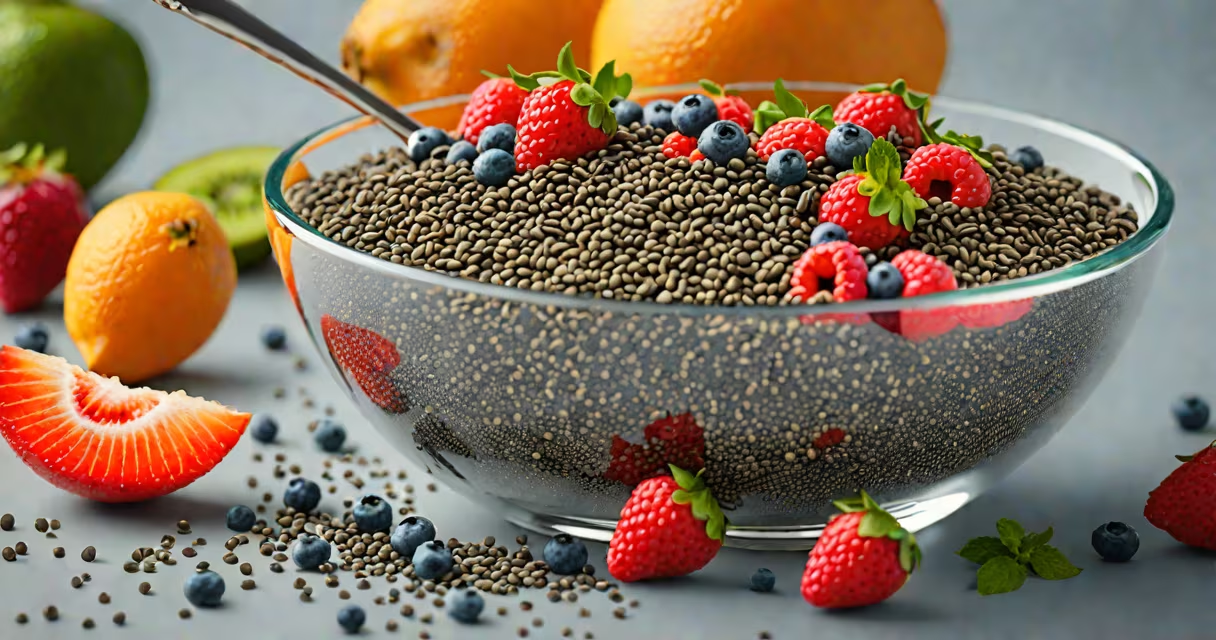
Chia seeds do not inherently cause bloating, but their high soluble fiber content can lead to temporary gas and abdominal fullness-especially when introduced too quickly or consumed in large amounts.
Chia seeds are tiny black and white seeds from the Salvia hispanica plant, native to Central and South America. They absorb up to 10 times their weight in water, forming a gel-like substance in the digestive tract. This property supports hydration and slows digestion, which can improve satiety and blood sugar control.
When eaten in moderation and with adequate fluid intake, chia seeds support gut health. However, sudden increases in fiber intake can overwhelm the microbiome, leading to fermentation by gut bacteria. That process produces gas-commonly perceived as bloating.
The primary reason chia seeds may contribute to bloating lies in their soluble fiber content. A single ounce (about 28 grams) contains 10 grams of fiber-nearly 40% of the daily recommended intake for adults. Soluble fiber dissolves in water and forms a viscous gel, which feeds beneficial gut bacteria.
As these bacteria ferment the fiber, they release gases such as hydrogen and methane. These gases accumulate in the intestines, causing distension and the sensation of bloating. This effect is most common during the first few days of introducing chia seeds into your diet.
A 2016 study published in Food & Function found that participants consuming 15 grams of chia seeds daily for four weeks reported improved bowel regularity and reduced constipation-but also noted mild gastrointestinal discomfort in 12% of subjects, including bloating and increased flatulence.
Chia seeds come in two colors: black and white. Nutritionally, they are nearly identical. Both contain similar levels of omega-3 fatty acids, protein, calcium, and antioxidants. The difference is purely aesthetic and does not affect digestibility.
However, how chia seeds are prepared affects their impact on digestion:
| Preparation Method | Fiber Availability | Bloating Risk |
|---|---|---|
| Raw, dry seeds | High - fiber remains intact | Higher - can absorb stomach fluids and swell |
| Soaked or gel-forming | Medium - partially broken down | Lower - gel reduces rapid expansion |
| Ground or milled | Low - fiber is exposed and digested faster | Lowest - minimal fermentation risk |
Soaking chia seeds for 15 minutes before consumption reduces the chance of intestinal swelling. The gel formation prevents rapid absorption and allows gradual digestion.
Many people assume chia seeds cause bloating because they see visible swelling in foods like chia pudding. The gel-like texture is normal and not harmful. That expansion is due to water absorption-not gas production.
Another myth is that chia seeds are "natural laxatives." While their fiber content promotes regular bowel movements, they do not trigger urgent or uncontrollable bowel movements in healthy individuals. The effect is gradual and supportive, not disruptive.
A key distinction: bloating from chia seeds is usually temporary and resolves within 3-5 days as the gut microbiome adapts. Persistent bloating beyond this period suggests another underlying issue-such as irritable bowel syndrome (IBS), fructose malabsorption, or a sensitivity to other ingredients in chia-based meals.
I made a batch of overnight oats using 2 tablespoons of chia seeds, ½ cup rolled oats, 1 cup almond milk, and a banana. After soaking overnight, the mixture formed a thick, gelatinous consistency. I ate it the next morning and felt full for hours.
On day two, I noticed mild abdominal fullness. By day three, the sensation had disappeared. My digestion stabilized after adjusting the chia seed amount to 1 tablespoon per serving and ensuring I drank 16 ounces of water with each meal.
This mirrors findings from a 2020 clinical trial in Nutrients, which showed that participants who gradually increased chia seed intake grams per day over 14 days experienced fewer digestive symptoms than those who consumed the full dose immediately.
Start with 1 teaspoon of chia seeds per day. Increase by 1/2 teaspoon every 3-4 days until reaching 1-2 tablespoons daily. This allows your gut flora time to adjust.
Always mix chia seeds with liquid. Consume them in a drink, yogurt, or oatmeal. Dry chia seeds can clump and swell rapidly in the stomach, increasing the risk of discomfort.
Use ground chia seeds if you have a history of digestive issues. Grinding breaks down the outer shell, making fiber more accessible and reducing fermentation time.
If bloating persists despite these steps, consider eliminating chia seeds temporarily and testing for other triggers. Many people report symptom improvement when switching to flaxseed or psyllium husk, which offer similar benefits with lower gas production.
Chia seeds do not inherently bloat you. The sensation arises from sudden changes in fiber intake, inadequate hydration, or individual sensitivity. With mindful consumption, they remain a nutritious addition to a healthy diet.