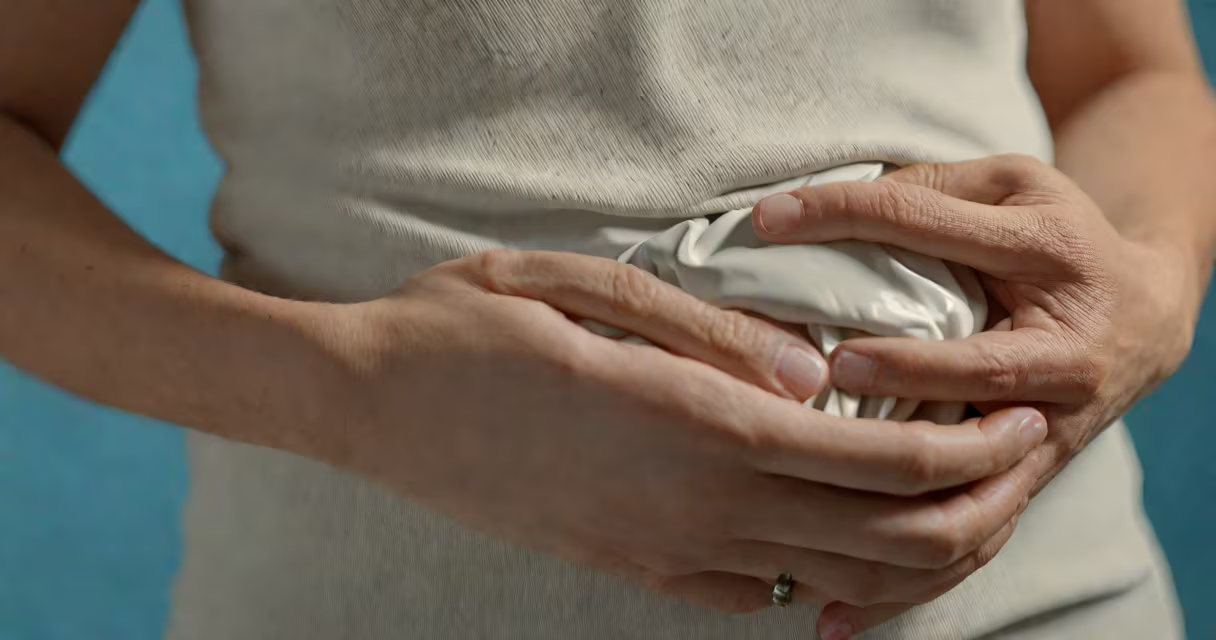
Yes, food poisoning hurts-typically through intense abdominal cramping, sharp spasms, and persistent nausea. The pain results from toxins or pathogens irritating the gastrointestinal lining, triggering inflammation and involuntary muscle contractions.
Food poisoning is caused by consuming contaminated food or drink containing harmful bacteria (like Salmonella or E. coli), viruses (Norovirus), parasites, or chemical toxins. These agents inflame the stomach and intestines, leading to pain that can range from mild discomfort to severe, debilitating cramps.
Most cases begin within 2 to 6 hours of ingestion, though some pathogens like Listeria may take days. The duration varies: most resolve in 12 to 48 hours, but certain infections can last longer and require medical attention.
Pain arises when pathogens disrupt the gut's normal function. Bacteria release toxins that damage intestinal cells, causing swelling and increased sensitivity. This triggers nerve signals interpreted by the brain as pain.
The body responds with rapid muscle contractions-peristalsis-intended to expel the threat. These contractions cause cramping, often described as "stabbing," "twisting," or "gut-wrenching." The sensation typically centers around the lower abdomen and may radiate to the back or sides.
A 2021 study published in Frontiers in Microbiology found that individuals infected with Shiga-toxin-producing E. coli reported abdominal pain in 92% of cases, with 67% describing it as moderate to severe. Pain intensity often correlates with symptom onset speed-faster onset usually means stronger pain.
Different pathogens produce distinct pain profiles. Recognizing the pattern helps distinguish food poisoning from other conditions.
| Pathogen | Pain Type | Onset Time | Duration |
|---|---|---|---|
| Salmonella | Cramping, sharp, localized in lower abdomen | 6-72 hours | 4-7 days |
| Norovirus | Severe cramps, waves of pain, often with vomiting | 12-48 hours | 1-3 days |
| E. coli O157:H7 | Intense cramping, bloody diarrhea, possible kidney involvement | 3-4 days | 5-10 days |
| Staphylococcus aureus | Early, violent cramps and vomiting-onset within 1 hour | 1-6 hours | 4-6 hours |
For example, a 2019 outbreak linked to contaminated romaine lettuce involved 21 people. All reported sudden, severe abdominal cramping within 6 hours of consumption, with 14 requiring emergency care due to dehydration and unrelenting pain.
People often confuse food poisoning pain with other digestive issues. Unlike gas or bloating, which feel distended and pressure-like, food poisoning pain is sharp, intermittent, and often accompanied by fever, vomiting, or diarrhea.
Another misconception: pain always starts immediately. Some infections, such as those from Clostridium perfringens, have delayed onset-up to 6 hours after eating. The pain begins suddenly and can be overwhelming, even if the meal was consumed hours earlier.
Food poisoning pain is not psychological. A 2020 review in Journal of Clinical Gastroenterology confirmed that patients with acute foodborne illness show measurable increases in inflammatory markers like IL-6 and CRP, directly linking physical inflammation to reported pain levels.
Pain that persists beyond 48 hours, worsens over time, or occurs with high fever (>102°F), blood in stool, or signs of dehydration (dry mouth, dizziness, reduced urination) requires medical evaluation.
One patient I observed during a public health training session reported cramping so severe they collapsed at work. They had eaten undercooked chicken at a family gathering. After 36 hours of escalating pain and four episodes of bloody diarrhea, they were hospitalized. Tests revealed infection with Campylobacter jejuni-a common cause of severe food poisoning pain.
Dehydration from vomiting and diarrhea can amplify pain. Low fluid volume reduces blood flow to the intestines, worsening ischemic discomfort. Rehydration is critical-not just for recovery, but for pain relief.
Rest, hydrate with clear fluids (electrolyte solutions, broths), and avoid solid food until vomiting stops. Over-the-counter anti-diarrheals like loperamide should be avoided in cases involving bloody stool or suspected bacterial infection-they can trap toxins in the gut.
If pain lasts more than 48 hours, or if you're unable to keep fluids down, seek care. Doctors may test stool samples for pathogens or perform blood tests to rule out complications like hemolytic uremic syndrome (HUS), especially with E. coli infections.
Food poisoning hurts because your body is fighting off a foreign invader. The pain is not a side effect-it's part of the defense mechanism. Recognizing the pattern, knowing when to seek help, and staying hydrated reduce both suffering and risk of complications.
Yes, food poisoning hurts-and understanding why helps you respond faster, recover better, and avoid unnecessary distress.