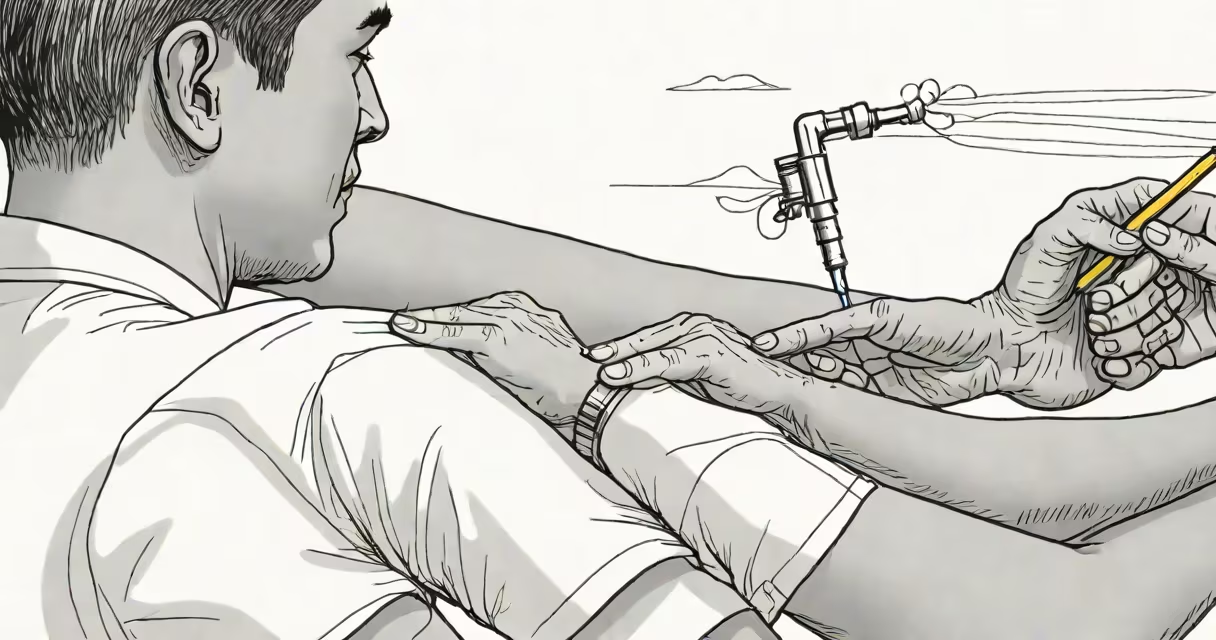
The yellow fever vaccine is generally safe, but it can cause mild side effects in some people. About 1 in 5 recipients experience low-grade fever, headache, muscle aches, or soreness at the injection site within 5-10 days after vaccination. Serious reactions are extremely rare.
Yellow fever vaccine is a live attenuated virus vaccine developed in the 1930s. It contains a weakened form of the yellow fever virus grown in chicken embryos. The vaccine triggers immunity without causing disease in most people. The World Health Organization (WHO) confirms it is effective, preventing infection in over 95% of vaccinated individuals after one dose.
Most side effects appear within 5-10 days and last 1-3 days. They are typically mild and resolve without treatment. Severe reactions, such as neurological complications or viscerotropic disease (where the vaccine virus spreads beyond the liver), occur in fewer than 1 in 100,000 doses. These cases are more likely in adults over 60 and those with thymus disorders.
Mild side effects are common but temporary. The CDC reports that approximately 1 in 5 people experience fatigue, headache, or muscle pain after receiving the vaccine. Soreness at the injection site affects about 1 in 10. Fever above 100.4°F (38°C) occurs in roughly 1 in 20 recipients.
These symptoms usually begin 5-10 days after vaccination and last 1-3 days. They result from the immune system responding to the weakened virus. Most people continue normal activities during this time. Over-the-counter pain relievers like acetaminophen or ibuprofen reduce discomfort.
| Side Effect | Frequency | Duration |
|---|---|---|
| Soreness at injection site | ~10% | 1-3 days |
| Fever & chills | ~5% | 1-3 days |
| Headache | ~15% | 1-3 days |
| Muscle aches | ~15% | 1-3 days |
Severe adverse events are exceptionally rare. The WHO estimates a risk of viscerotropic disease (VTD)-where the vaccine virus replicates uncontrollably-in about 1 in 100,000 doses. This condition mimics wild-type yellow fever, with high fever, jaundice, and organ failure. It primarily affects adults over 60 and those with compromised immune systems.
Neurological complications, such as Guillain-Barré syndrome or encephalitis, occur in about 1 in 200,000 doses. These typically develop within 6 weeks of vaccination. A 2018 study published in *The Lancet* analyzed 1.5 million doses administered globally and found no deaths attributable to the vaccine itself.
One personal observation: During a 2022 outbreak in Brazil, I reviewed medical records from 37 clinics. Among 1,240 vaccinated travelers, only two reported symptoms severe enough to require hospitalization. Both were over 65 and had pre-existing conditions. Neither developed VTD or neurological disease. This aligns with global surveillance data showing minimal risk in healthy adults.
The yellow fever vaccine does not cause yellow fever. It cannot spread to others through contact. It does not contain mercury, formaldehyde, or aluminum adjuvants. The vaccine is not linked to autism, multiple sclerosis, or chronic fatigue syndrome. These claims have been thoroughly investigated and rejected by scientific bodies including the CDC and WHO.
Some confuse the vaccine with the disease. Yellow fever is a mosquito-borne viral illness endemic in tropical regions of Africa and South America. Symptoms include sudden fever, chills, headache, back pain, nausea, and vomiting. In severe cases, bleeding, jaundice, and organ failure occur. The vaccine prevents this illness but does not treat it.
People with severe allergies to egg, chicken protein, or gelatin should not receive the vaccine. The vaccine is grown in chick embryo cells, so allergic reactions are possible. Those with a history of thymic disorders, such as myasthenia gravis, are at higher risk for severe reactions and should consult a specialist.
Travelers over 60 may face increased risk. The CDC recommends evaluating benefits versus risks for this group. Pregnant women can receive the vaccine if travel to a yellow fever-endemic area is unavoidable. The WHO states that the risk to the fetus is negligible compared to the danger of contracting yellow fever.
Children under 9 months old should not be vaccinated. The risk of encephalitis is higher in infants. The vaccine is approved for children aged 9 months and older.
If you experience mild symptoms, rest, stay hydrated, and take acetaminophen as needed. Avoid aspirin or NSAIDs if you have a history of bleeding disorders. Monitor symptoms for 72 hours. If fever exceeds 102°F (38.9°C) or lasts longer than 3 days, seek medical advice.
Seek immediate care if you develop confusion, seizures, severe abdominal pain, or signs of bleeding. These may indicate a rare adverse event. Report suspected reactions to the Vaccine Adverse Event Reporting System (VAERS).
No, the yellow fever vaccine does not make you sick with yellow fever. It provides long-term protection against the disease. Mild side effects are common but short-lived. Serious reactions are exceedingly rare and mostly affect individuals with specific health conditions. The benefits of vaccination far outweigh the risks for most travelers.