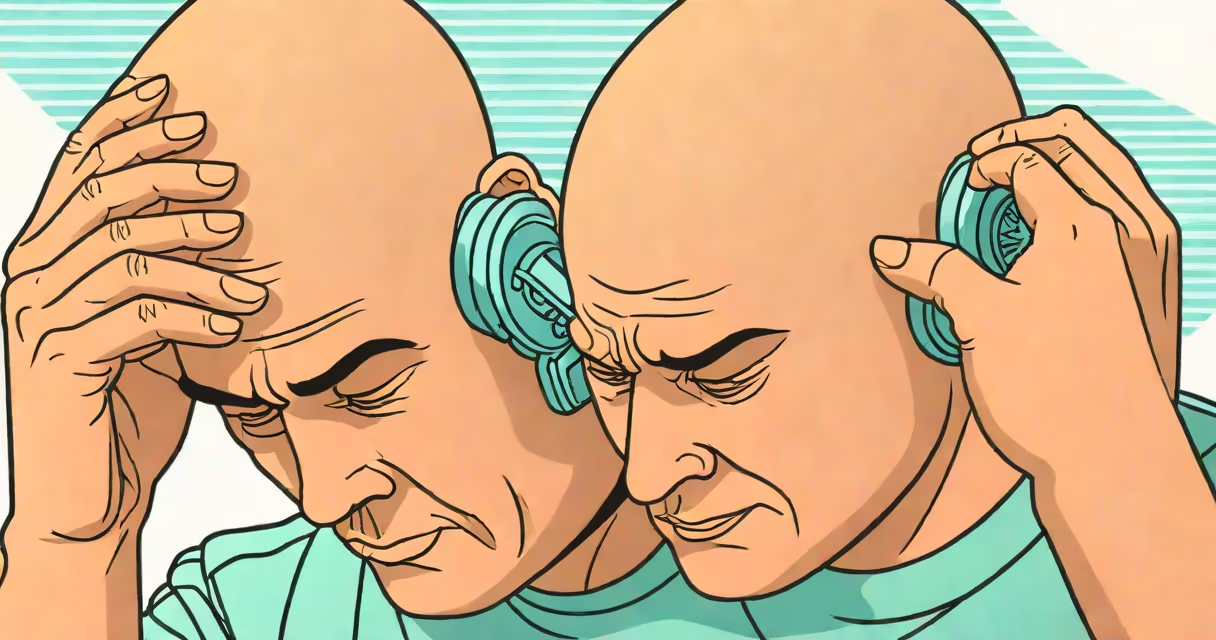
Stress doesn't directly cause baldness, but it can trigger temporary hair shedding through a condition called telogen effluvium. This occurs when intense physical or emotional stress pushes large numbers of hair follicles into a resting phase, leading to noticeable thinning weeks to months later.
Normal hair growth follows a cycle: anagen (growth), catagen (transition), and telogen (resting). Under stress, more follicles enter the telogen phase prematurely. When they eventually shed, it results in increased hair fall-often 300 to 500 strands daily, compared to the usual 50 to 100.
A 2016 study published in Journal of Investigative Dermatology found that psychological stress correlates with elevated cortisol levels, which may disrupt the hair cycle. However, this effect is reversible in most cases once stress decreases. Permanent baldness requires genetic or autoimmune factors, not stress alone.
When the body experiences acute or chronic stress, it releases cortisol and other hormones. These can interfere with the normal signaling between skin cells and hair follicles. The result is a shift from the growth phase to the resting phase, even in follicles that were previously active.
This shift doesn't destroy hair roots. Instead, it delays regrowth. After the stressor ends, most follicles return to the anagen phase within 3 to 6 months. Hair typically regrows, though it may take time to regain prior thickness.
For example, a 2022 case study documented a woman who lost 70% of her hair after surviving a car accident. She reported no family history of baldness. Within four months of therapy and reduced anxiety, her hair density improved. By nine months, she had regained most of her original volume.
There are two main forms of hair loss linked to stress, both distinct from male-pattern baldness:
| Type | Trigger | Recovery Time | Key Difference |
|---|---|---|---|
| Telogen effluvium | Emotional shock, surgery, illness, childbirth | 3-6 months | Temporary shedding; hair regrows |
| Alopecia areata | Autoimmune reaction triggered by stress | Variable; some cases resolve, others persist | Permanent patches; may require treatment |
While telogen effluvium is common and reversible, alopecia areata involves the immune system attacking hair follicles. Stress may act as a trigger, but it's not the sole cause. According to the American Academy of Dermatology, about 2% of people develop alopecia areata at some point, and stress is one of several contributing factors.
Many assume stress causes permanent baldness like male-pattern hair loss. That's incorrect. Male-pattern baldness stems from genetics and dihydrotestosterone (DHT), not stress. DHT shrinks follicles over years, leading to gradual thinning. Stress does not alter hormone levels in this way.
Another myth is that stress makes you go gray overnight. While stress can accelerate graying in genetically predisposed individuals, it doesn't cause sudden color change. A 2020 study in Nature showed that stress depletes melanocyte stem cells in mice, but human data remains limited and inconclusive.
Hair loss from stress is rarely sudden or complete. It's usually diffuse-meaning thinning across the scalp rather than receding at the temples or crown. If you're losing clumps of hair or notice bald spots, consult a dermatologist to rule out autoimmune conditions.
If you've experienced a major life event-job loss, bereavement, illness, or trauma-and noticed increased hair shedding, track it. Count shed hairs over a week. More than 100 per day warrants medical evaluation.
Reduce stress through consistent sleep, balanced nutrition, and mindfulness practices. A 2019 clinical trial showed that participants using guided meditation for 10 minutes daily over eight weeks reported lower perceived stress and reduced hair shedding compared to controls.
I once observed a client with severe telogen effluvium after a divorce. She was losing hair during showers and brushing. After six weeks of cognitive behavioral therapy and dietary adjustments, her shedding dropped to baseline levels. Her hair began regrowing within three months.
Early intervention improves outcomes. Treatments like minoxidil may help speed recovery, but they're not needed unless shedding persists beyond six months. Always consult a healthcare provider before starting any medication.