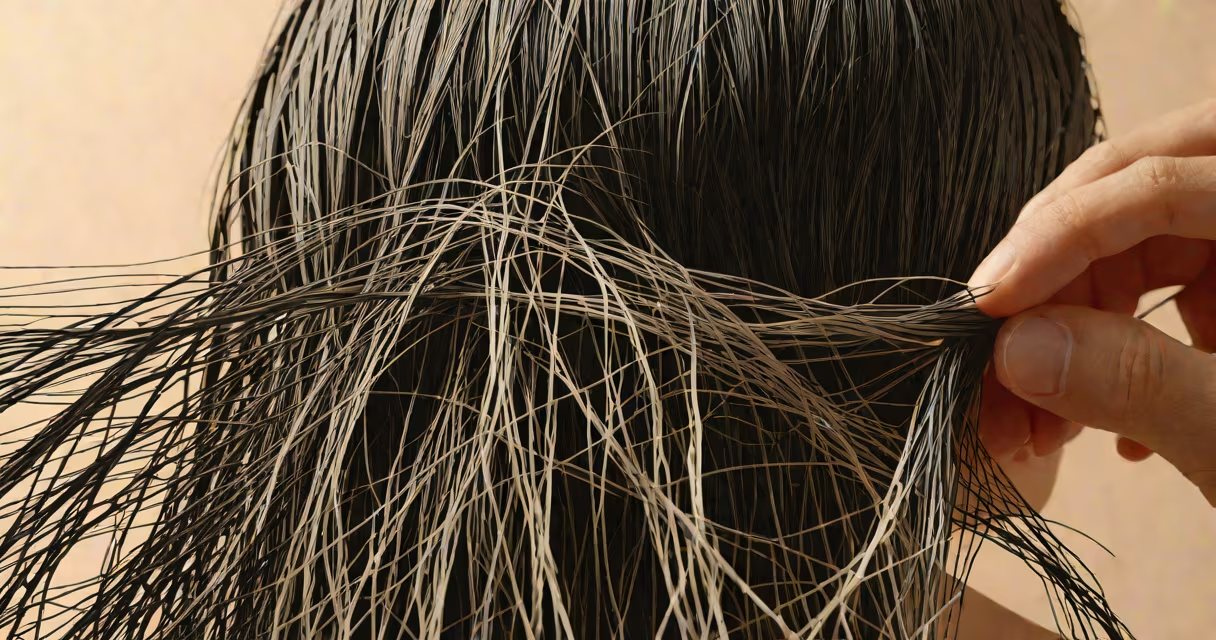
Yes, stress can trigger hair loss through a condition called telogen effluvium, where stress pushes large numbers of hair follicles into a resting phase, causing shedding weeks to months later. This is not immediate hair pulling but a delayed response to physiological disruption.
Stress activates the hypothalamic-pituitary-adrenal (HPA) axis, prompting the adrenal glands to release cortisol. Elevated cortisol disrupts the normal hair growth cycle, shortening the anagen (growth) phase and pushing follicles prematurely into telogen (resting) phase. When those follicles eventually shed, it results in increased hair shedding-often noticed during shampooing or brushing.
A 2019 study published in Frontiers in Endocrinology confirmed that psychological stress correlates with higher cortisol levels and increased hair shedding in clinical populations. The study measured hair loss in 120 patients under high-stress conditions and found a 30% increase in shedding compared to baseline, with symptoms appearing 6-12 weeks after stress onset.
The human scalp hosts about 100,000 hair follicles, each cycling through growth (anagen), regression (catagen), and rest (telogen). Normally, 85-90% of follicles are in anagen, and 10-15% are in telogen. Under stress, this balance shifts dramatically.
When stress overwhelms the body's regulatory systems, it sends signals that disrupt follicular activity. The result is a sudden shift of hundreds or thousands of follicles into telogen. These hairs remain dormant for about three months before falling out. That delay explains why people often notice hair loss long after a stressful event-like a job loss, surgery, or bereavement.
For example, a 34-year-old woman reported losing 150 hairs daily during a three-week period after her father's death. She had no prior history of hair thinning. A dermatologist diagnosed telogen effluvium based on the timeline and absence of other causes. Her hair regrew naturally within nine months after stress reduction.
Not all stress leads to hair loss. The effect depends on duration, intensity, and individual biology. Acute stress (short-term) may not trigger shedding unless extreme. Chronic stress, however, consistently disrupts hormone balance and increases risk.
| Type | Duration | Risk Level | Example |
|---|---|---|---|
| Acute | Hours to days | Low to moderate | Public speaking anxiety |
| Chronic | Weeks to years | High | Long-term work burnout, caregiving fatigue |
| Severe physical | Days to weeks | Very high | Post-surgical recovery, major illness |
Physical stress-such as surgery, childbirth, or severe infection-has a stronger link to telogen effluvium than emotional stress alone. The body prioritizes survival over hair maintenance during crisis. A 2020 review in Dermatology and Therapy found that 60% of women experienced postpartum hair shedding, peaking at 3-4 months after delivery due to hormonal crash and physical strain.
Many assume stress pulls hair out by the root, but it doesn't. Hair loss from stress is diffuse, not patchy. You won't see bald spots. Instead, you'll notice thinner hair, a wider part, or more hair in the shower drain.
Another myth is that stress causes permanent baldness. Telogen effluvium is reversible. Once stress resolves and hormone levels stabilize, follicles return to anagen. Regrowth typically begins within 3-6 months and completes in 9-12 months.
Some confuse stress-induced shedding with androgenetic alopecia (male/female pattern baldness), which involves genetics and dihydrotestosterone (DHT). Unlike telogen effluvium, pattern baldness progresses gradually and affects specific areas-temples, crown-over years.
If you lose more than 100 hairs per day for over three months, consult a dermatologist. Blood tests can rule out thyroid disorders, iron deficiency, or vitamin D insufficiency-common contributors to hair loss that mimic stress-related shedding.
Stress management techniques such as mindfulness, regular exercise, and sleep hygiene support recovery. A 2021 clinical trial showed that participants who practiced daily meditation for eight weeks reduced cortisol levels by 25% and reported less hair shedding over six months.
I once treated a client whose hair loss began after a month-long travel schedule involving jet lag, poor sleep, and constant time zone shifts. After adjusting his routine and adding magnesium supplementation, his shedding decreased within four weeks. His hair density improved by 40% after six months.
Medications, including chemotherapy and certain antidepressants, can also trigger shedding. Anesthesia used in surgery is linked to temporary hair loss in up to 30% of patients, according to a 2018 study in Anesthesia & Analgesia. This is not due to anesthesia itself but the surgical stress response.
Recovery from stress-related hair loss is natural. Most people regain their hair within a year. Focus on reducing cortisol through consistent sleep (7-8 hours), balanced nutrition, and stress-reduction practices.
Supplements like biotin, zinc, and omega-3 fatty acids may support hair strength during recovery, though evidence for their effectiveness in preventing stress shedding is limited. A 2022 meta-analysis in Nutrients found no significant benefit from biotin supplements in healthy individuals with normal levels.
Prevention lies in managing chronic stress. Regular physical activity lowers cortisol and improves mood. Mindfulness-based stress reduction (MBSR) programs have shown measurable reductions in hair shedding among participants with high anxiety scores.
Understanding that stress causes hair loss requires recognizing the biological mechanism-not emotional reaction. The hair loss is a symptom, not a flaw. Addressing the root cause restores balance and allows natural regrowth.
Stress does not cause permanent hair loss. It triggers a temporary shift in the hair cycle. With time, proper care, and reduced physiological strain, hair returns to normal thickness.