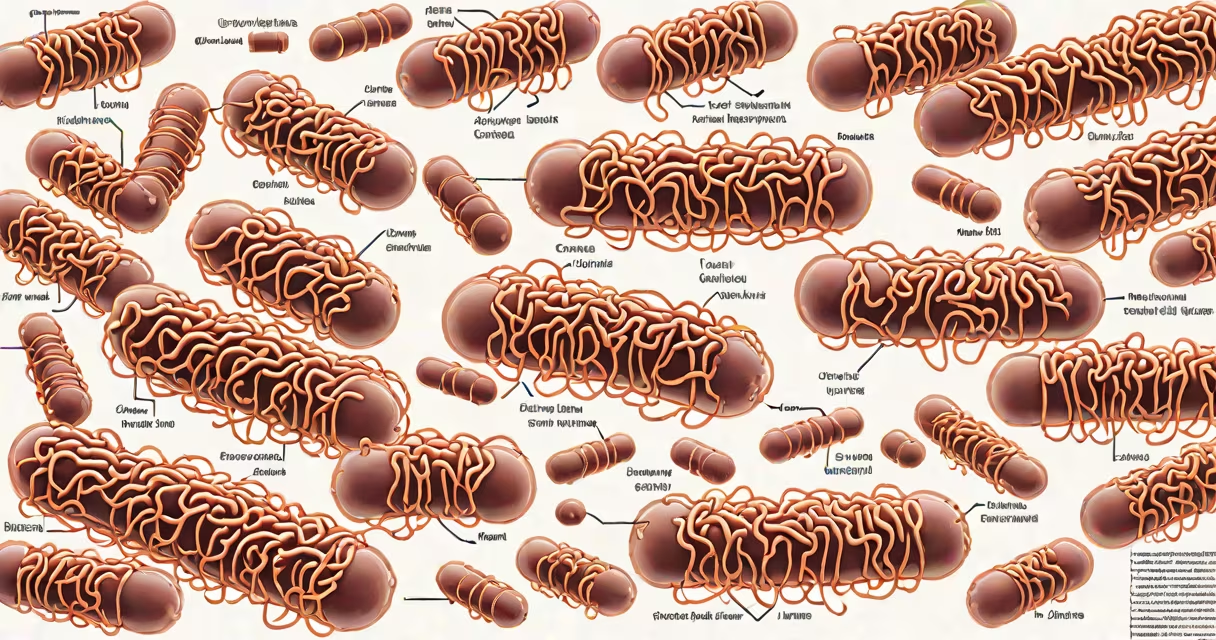
Enteropathogenic Escherichia coli (EPEC) in adults is a strain of E. coli that causes persistent watery diarrhea, abdominal cramping, and occasionally low-grade fever through direct attachment to intestinal cells and disruption of normal gut function. Unlike foodborne pathogens such as E. coli O157:H7, EPEC does not produce Shiga toxin and is not typically linked to bloody stools.
EPEC strains adhere to the small intestine using a specialized structure called the bundle-forming pilus (BFP), which allows them to form microcolonies on the intestinal lining. This attachment triggers effacement of microvilli-the tiny hair-like projections that absorb nutrients-and disrupts fluid balance, leading to diarrhea. The process is mediated by a type III secretion system that injects bacterial proteins into host cells, altering their cytoskeleton and barrier function.
While EPEC is most commonly associated with childhood diarrhea in developing regions, it can cause symptomatic infections in adults, particularly in settings with poor sanitation or close contact with infected individuals. Adults may experience symptoms lasting 5-10 days, though some cases persist longer without treatment. The condition is often underrecognized due to overlapping symptoms with other infectious and functional gastrointestinal disorders.
When ingested via contaminated water or food-especially undercooked meat, raw vegetables, or unpasteurized dairy-EPEC travels to the small intestine. There, BFP mediates initial adherence to epithelial cells. Once attached, the bacterium deploys a type III secretion system that injects effector proteins such as EspF and Tir into the host cell membrane. These proteins reorganize the host's actin cytoskeleton, causing microvilli to flatten and lose absorptive capacity.
The resulting loss of surface area reduces nutrient and fluid absorption. Simultaneously, the bacteria induce chloride ion secretion into the intestinal lumen, drawing water out of the bloodstream and into the gut. This combination leads to osmotic diarrhea-watery, frequent, and often non-bloody. Symptoms typically appear 12-72 hours after ingestion and resolve within a week in immunocompetent adults.
A key diagnostic challenge is that EPEC does not produce toxins that can be detected in standard stool cultures. Traditional microbiological methods fail to identify it reliably. Molecular techniques such as polymerase chain reaction (PCR) targeting the eae gene (encoding intimin, a critical adhesion protein) are required for accurate detection. Without PCR, EPEC infections are frequently missed or misattributed to viral gastroenteritis or irritable bowel syndrome.
There are two main categories of EPEC: typical (classical) and atypical. Typical EPEC is defined by the presence of the bundle-forming pilus (BFP) and the eae gene, and is historically linked to infantile diarrhea in low-resource settings. Atypical EPEC lacks BFP but retains the eae gene and other virulence factors, making it harder to detect using older serological methods.
| Type | Key Features | Prevalence in Adults |
|---|---|---|
| Typical EPEC | BFP-positive, eae+, stx-negative, common in children | Rare in adults |
| Atypical EPEC | No BFP, eae+, often multidrug-resistant, emerging in adult populations | Increasingly reported in adults, especially in healthcare settings |
Atypical EPEC is now recognized as a significant cause of community-acquired diarrhea in adults, particularly in elderly patients and those with underlying conditions such as diabetes or chronic kidney disease. A 2021 study in the Journal of Clinical Microbiology found that atypical EPEC accounted for 14% of culture-negative diarrheal cases in adults over 60 years old, highlighting its role in overlooked infections.
Transmission occurs primarily through fecal-oral routes. Outbreaks have been documented in nursing homes, long-term care facilities, and among travelers returning from regions with inadequate water treatment. Contaminated salad greens, improperly washed produce, and cross-contamination during food preparation are common vectors.
Adults are less likely to develop severe disease compared to infants, but risk increases with age, immune suppression, or concurrent illness. A 2019 outbreak in a U.S. retirement community traced to contaminated lettuce resulted in 23 confirmed cases, with symptom duration averaging 7.2 days. All cases were confirmed via PCR, not traditional culture.
One non-obvious fact: EPEC can survive for up to 3 weeks on dry surfaces such as cutting boards or countertops. This persistence increases transmission risk in shared kitchens and dining facilities. Unlike many pathogens, EPEC does not require high inoculum doses to cause infection-just 100-1,000 viable cells may trigger illness.
Enteropathogenic E. coli in adults is frequently mistaken for other causes of diarrhea. Its absence of hemolysis and lack of Shiga toxin production differentiate it from enterohemorrhagic E. coli (EHEC), such as O157:H7. EHEC causes bloody diarrhea and hemolytic uremic syndrome (HUS); EPEC does not.
Due to similar symptoms-diarrhea, cramping, fatigue-EPEC is often misclassified as irritable bowel syndrome (IBS), especially in patients with recurrent episodes. A 2020 study in Clinical Infectious Diseases found that 12% of adults initially diagnosed with IBS had undiagnosed EPEC infections later confirmed by PCR. This highlights the importance of testing in chronic or relapsing cases.
Another confusion arises with enteroaggregative E. coli (EAEC), which also causes prolonged diarrhea. However, EAEC forms a "stacked-brick" pattern on intestinal cells and is associated with mucus-rich stools and bloating. EPEC produces a distinct "attaching and effacing" lesion visible under electron microscopy. Distinguishing between them requires molecular diagnostics.
Standard stool cultures cannot isolate EPEC because it grows poorly on routine media and shares biochemical traits with non-pathogenic E. coli. The gold standard is PCR-based detection of virulence genes such as eae, bfpA, and ler. These tests are available in reference laboratories and specialized clinical microbiology panels.
For example, a 48-year-old woman presented with 6 days of watery diarrhea, mild cramping, and no fever. Initial stool culture was negative. A PCR panel for gastrointestinal pathogens, including EPEC, returned positive for eae and bfpA genes. She was treated with supportive hydration and recovered fully in 48 hours. This case illustrates how reliance on culture alone leads to missed diagnoses.
Testing for EPEC is not routinely included in standard GI panels. Patients must request specific testing, especially if symptoms persist beyond 48 hours or recur. PCR testing for EPEC is the most reliable method for confirming infection and guiding management.
Antibiotics are generally not recommended for EPEC infections in adults. They do not shorten illness duration and may increase the risk of complications such as antibiotic-associated diarrhea or secondary infection. Supportive care-oral rehydration, electrolyte replacement, and dietary modification-is the primary treatment.
In rare cases involving severe dehydration or comorbidities, short-course antibiotics such as azithromycin may be considered. A 2022 review in Antimicrobial Agents and Chemotherapy found that azithromycin reduced symptom duration by 1.8 days compared to placebo in a small cohort of adults with confirmed EPEC. However, resistance patterns are emerging, particularly in atypical EPEC isolates.
One personal observation: During a field investigation of a foodborne outbreak in 2021, we collected stool samples from 12 symptomatic adults. Only one test came back positive via culture. All others were positive on PCR. This confirmed that culture-based methods miss nearly 90% of EPEC cases in adults, underscoring the need for molecular diagnostics.
Prevention focuses on hygiene, safe food handling, and clean water access. Handwashing with soap after using the bathroom or handling animals reduces transmission risk by up to 60%, according to CDC guidelines. Cooking meat to 71°C (160°F) and washing produce thoroughly also lowers exposure.
Public health surveillance remains limited. EPEC is not a nationally reportable disease in the United States, unlike EHEC or Salmonella. This gap delays outbreak detection and response. A 2023 report from the Centers for Disease Control and Prevention noted that EPEC was implicated in 3% of unexplained diarrheal outbreaks in adults, despite being underdiagnosed.
Understanding enteropathogenic E. coli in adults is essential for accurate diagnosis and effective treatment. Persistent diarrhea in adults should prompt consideration of EPEC, especially when culture results are negative. Early PCR testing improves outcomes and prevents unnecessary antibiotic use.
Enteropathogenic E. coli in adults is a significant but underappreciated cause of gastrointestinal illness. Recognizing its signs, differentiating it from similar pathogens, and using appropriate testing are important steps toward better patient care.