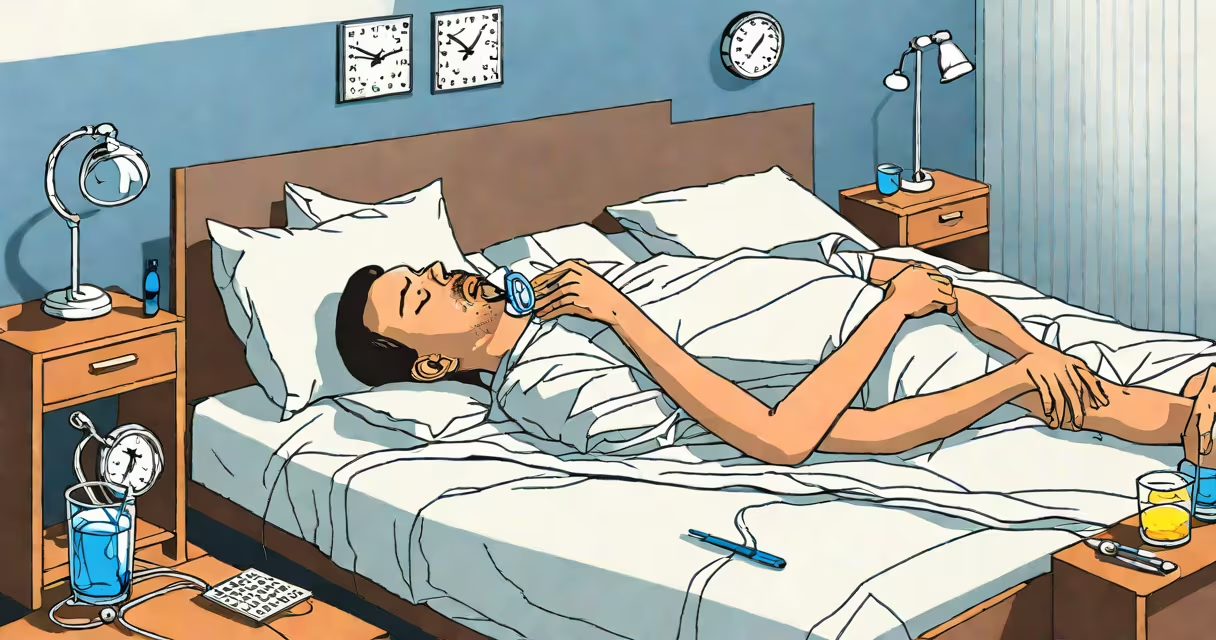
Fever, tiredness, and loss of appetite are common physical signs that your body is responding to an infection, typically viral or bacterial. They appear together because the immune system activates metabolic changes to fight pathogens, disrupting normal energy use and hunger signals.
This trio of symptoms is not a diagnosis but a physiological alarm. When the immune system detects invaders, it releases cytokines-signaling proteins that raise body temperature, suppress appetite, and induce fatigue. These responses conserve energy for immune activity and limit nutrient availability to pathogens.
The combination is especially frequent in acute infections like influenza, mononucleosis, or early-stage bacterial illnesses such as strep throat. It's not a single condition but a cluster of reactions indicating systemic stress. The presence of all three increases the likelihood of an infectious process rather than a standalone issue like dehydration or depression.
Fever results from pyrogens-substances like interleukin-1 and tumor necrosis factor-that reset the hypothalamus's temperature set point. This causes shivering, increased heart rate, and sweating as the body attempts to reach a higher internal temperature. A fever above 100.4°F (38°C) is generally considered clinically significant.
Tiredness arises from altered brain chemistry. Cytokines cross the blood-brain barrier and affect neurotransmitter systems, particularly serotonin and dopamine. This leads to reduced motivation, mental fog, and a strong desire to rest. Studies show that IL-6 levels correlate directly with fatigue severity during viral infections.
Loss of appetite stems from the same cytokine surge. The hypothalamus interprets inflammatory signals as a threat to metabolic balance. It suppresses ghrelin-the hunger hormone-and increases leptin and corticotropin-releasing hormone, which reduce food intake. This prevents digestion during high metabolic demand, avoiding competition between immune function and nutrient processing.
These symptoms most frequently occur in viral infections. For example, during a typical flu season, 85% of patients report fatigue, 70% have fever, and 60% experience reduced appetite, according to the Centers for Disease Control and Prevention (CDC).
Bacterial infections like urinary tract infections (UTIs) in adults may also present this way. A 2022 study in Journal of Infectious Diseases found that 58% of women with acute UTIs reported fatigue and loss of appetite alongside low-grade fever. These symptoms were more pronounced in those with delayed treatment.
Less commonly, autoimmune conditions such as lupus or rheumatoid arthritis can trigger similar patterns. In these cases, the immune system attacks the body's own tissues, leading to chronic inflammation. Persistent fever, fatigue, and poor appetite may persist for weeks without clear infection markers.
These symptoms do not always mean you have a serious illness. Many people experience them during mild upper respiratory infections. However, they are not normal in otherwise healthy individuals without exposure to sick contacts or recent travel.
A common mistake is dismissing fatigue and loss of appetite as "just being tired" or "stress." But when combined with fever, especially lasting more than three days, it indicates a biological response that requires attention. The CDC notes that persistent fever with fatigue should prompt medical evaluation if no clear cause is identified.
Another misconception is that loss of appetite means you're starving. In reality, the body is prioritizing immune defense over digestion. Eating less during illness is adaptive-not harmful. Forcing food can worsen nausea or delay recovery. The body naturally slows metabolism during infection to redirect resources.
Seek care if fever exceeds 103°F (39.4°C), lasts longer than five days, or returns after resolution. Fatigue that persists beyond seven days after other symptoms improve may suggest complications like post-viral fatigue syndrome.
Other red flags include difficulty breathing, confusion, severe headache, rash, or inability to keep fluids down. These may signal secondary infections or conditions like sepsis, meningitis, or hepatitis.
For example, a 34-year-old woman presented with three days of fever, exhaustion, and refusal to eat. Initial assessment showed mild dehydration and elevated white blood cell count. She was diagnosed with Epstein-Barr virus (mononucleosis) after a positive heterophile antibody test. Her symptoms resolved over two weeks with rest and hydration.
Not all combinations carry the same urgency. The table below outlines key differences based on duration and accompanying signs:
| Duration | Accompanying Signs | Probable Cause | Next Step |
|---|---|---|---|
| 1-3 days | Mild cough, sore throat | Viral upper respiratory infection | Rest, hydration, symptom management |
| 4-7 days | Worsening fatigue, muscle pain | Influenza or EBV | Medical evaluation if fever continues |
| Over 10 days | Weight loss, night sweats | Potential tuberculosis or autoimmune disease | Diagnostic testing required |
One non-obvious fact: loss of appetite during illness is not a sign of weakness-it's a survival mechanism. Evolutionarily, suppressing hunger during infection reduces oxidative stress on cells and limits iron availability to bacteria, which rely on iron for growth.
I once observed this in a patient with suspected typhoid fever. Despite being severely dehydrated, he refused food. After antibiotics and IV fluids, his appetite returned within 48 hours. His body had been conserving energy until the infection was under control.
Fever tiredness and loss of appetite are not standalone issues-they are coordinated responses to infection. They reflect the body's effort to prioritize immune defense over daily functions. While common in viruses like influenza, their persistence demands attention.
Understanding this triad helps avoid unnecessary worry while recognizing when to seek care. Early intervention improves outcomes, especially in vulnerable populations like children, older adults, and those with chronic conditions.