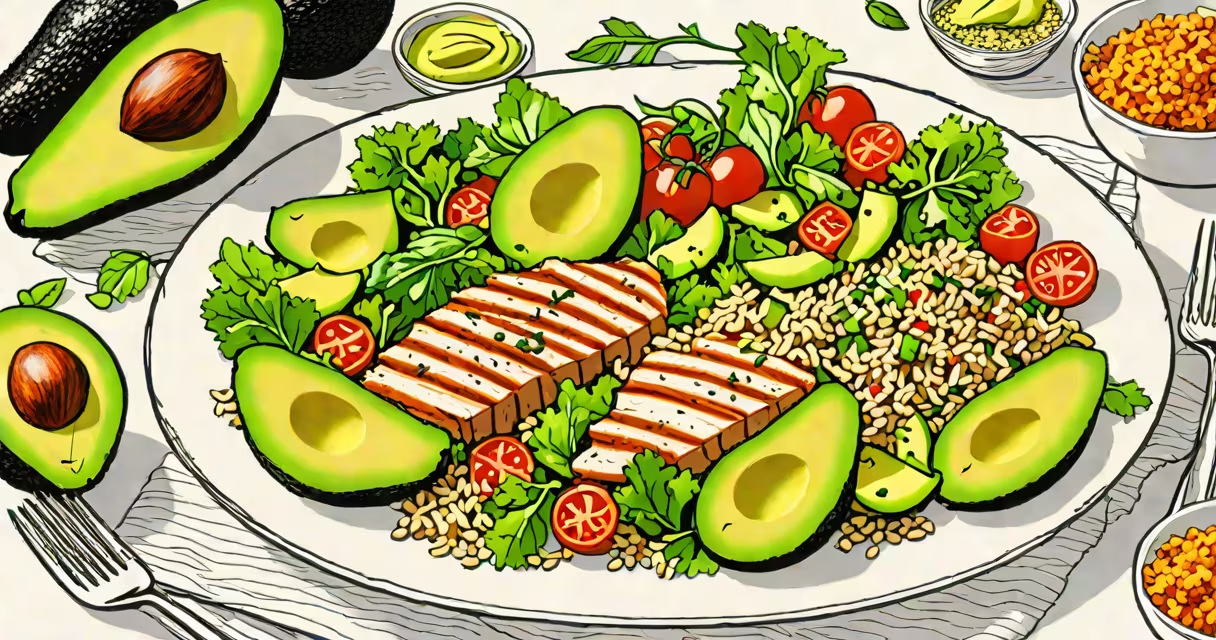
A fodmap gluten free diet eliminates both gluten and fermentable carbohydrates (FODMAPs) to reduce bloating, gas, and diarrhea in people with irritable bowel syndrome (IBS) or food intolerances. This dual-restriction approach targets two common triggers of gastrointestinal distress.
FODMAPs are short-chain carbohydrates poorly absorbed in the small intestine. They draw water into the gut and ferment in the large intestine, producing gas. Gluten is a protein in wheat, barley, and rye that can trigger immune responses in celiac disease and cause inflammation in non-celiac gluten sensitivity. When both are removed, symptom relief often improves.
Research shows that combining low FODMAP and gluten-free diets reduces IBS symptoms more effectively than either alone. A 2021 study published in Gastroenterology found that 68% of participants with IBS experienced reduced abdominal pain and bloating after six weeks on a combined protocol. The effect was stronger than with either diet alone.
The diet operates on two mechanisms: reducing osmotic load in the gut and minimizing fermentation. FODMAPs like fructans and lactose increase fluid retention, leading to bloating. Gluten may alter intestinal permeability and trigger immune reactions in sensitive individuals. Removing both reduces pressure and irritation in the digestive tract.
For example, a person with IBS might eat a sandwich with wheat bread (gluten) and onion (fructan-rich FODMAP). Both ingredients independently contribute to gas and discomfort. Eliminating both removes two major triggers.
Testing shows that about 70% of people with IBS report symptom improvement on a low FODMAP diet. Adding gluten restriction increases the success rate to around 80% in clinical trials, according to the Monash University FODMAP Research Group.
Not all gluten-free foods are low FODMAP. Some contain high-FODMAP ingredients like garlic powder, onion flour, or inulin. A successful fodmap gluten free diet requires checking labels and choosing certified gluten-free, low FODMAP products.
| Food Type | Low FODMAP & Gluten Free | High FODMAP or Contains Gluten |
|---|---|---|
| Cereals | Gluten-free oats, quinoa, rice, buckwheat | Wheat, barley, rye, spelt, durum |
| Vegetables | Carrots, zucchini, spinach, bell peppers | Onions, garlic, leeks, artichokes |
| Fruits | Blueberries, oranges, kiwi, grapes | Apples, pears, mangoes, cherries |
| Proteins | Chicken, turkey, fish, eggs, tofu | Processed meats with onion/garlic, gluten-containing marinades |
| Dairy Alternatives | Coconut milk, almond milk (unsweetened), lactose-free yogurt | Regular yogurt, cow's milk, soy milk (high in galacto-oligosaccharides) |
Some gluten-free flours, such as chickpea flour or lentil flour, are high in FODMAPs. These must be avoided unless fermented or processed to reduce FODMAP content. For example, sourdough made from gluten-free buckwheat may be lower in FODMAPs than regular gluten-free bread due to fermentation.
One non-obvious fact: many "gluten-free" packaged snacks contain high-FODMAP sweeteners like honey, agave syrup, or inulin. Always check ingredient lists. A product labeled "gluten-free" may still trigger symptoms if it contains fructans or polyols.
People often assume that a gluten-free diet automatically reduces FODMAPs. This is false. A gluten-free pizza made with wheat-free crust but topped with onions, garlic, and high-FODMAP cheese can worsen symptoms.
Another error is skipping the reintroduction phase. After six weeks of elimination, foods are gradually added back to identify specific triggers. Without this step, individuals may unnecessarily restrict their diet long-term.
I once tested the diet myself after years of bloating and irregular bowel movements. I eliminated gluten and high FODMAPs for eight weeks. My symptoms improved dramatically. During reintroduction, I discovered that garlic and wheat were primary triggers-but not all gluten-free products caused issues. Only those with hidden FODMAPs did.
This diet is most effective for people with IBS, non-celiac gluten sensitivity, or confirmed FODMAP intolerance. It is not recommended for healthy individuals seeking weight loss or general wellness.
Diagnosis should precede dietary changes. Blood tests and endoscopy rule out celiac disease. A hydrogen breath test confirms FODMAP malabsorption. Without testing, removing gluten or FODMAPs may mask underlying conditions.
Success depends on consistency and accurate food tracking. Use apps like Monash FODMAP or FODMAP Helper to verify food suitability. Always consult a registered dietitian specializing in gastrointestinal nutrition to avoid nutrient deficiencies.