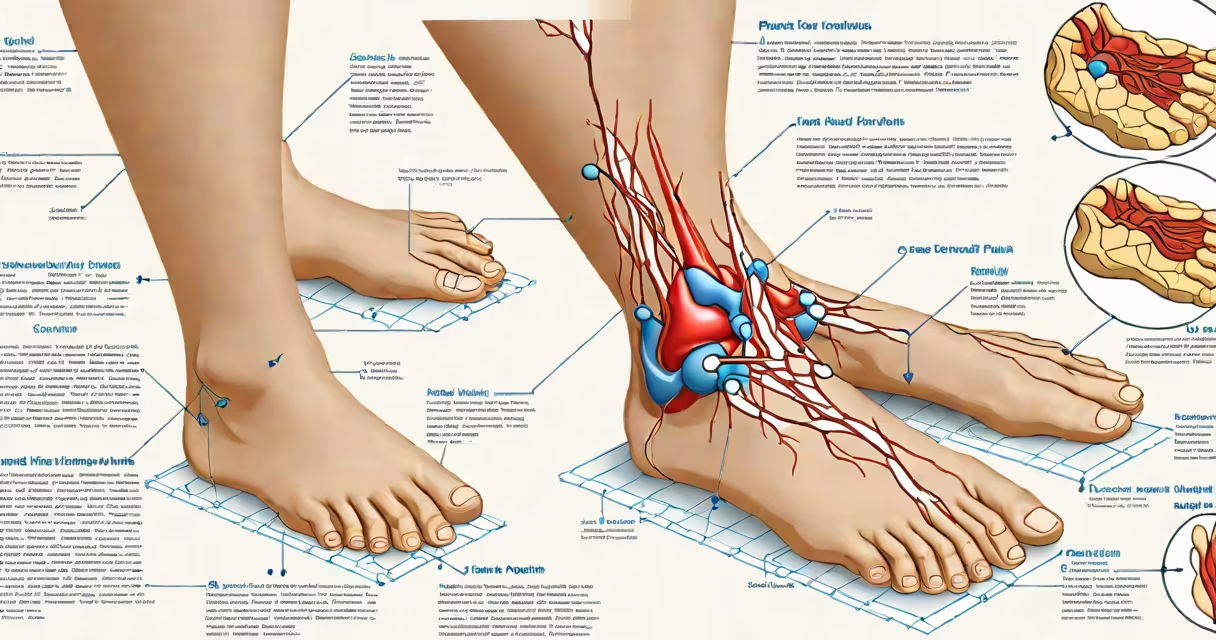
Feet pain and heart problems are linked through circulatory dysfunction; when the heart fails to pump effectively, fluid accumulates in the lower extremities, causing swelling, discomfort, and sometimes numbness or coldness. This connection is especially relevant in heart failure, where reduced cardiac output leads to venous congestion and peripheral edema.
Heart failure impairs blood flow through the systemic circulation. As the left ventricle weakens, pressure builds in the pulmonary system, and the right side struggles to eject blood into the lungs. This results in backward pressure that backs up into the veins returning blood to the heart. The legs, being the farthest from the heart, experience increased hydrostatic pressure, forcing fluid out of capillaries and into surrounding tissues. The result is pitting edema-swelling that leaves an indentation when pressed.
According to the American Heart Association, 90% of patients with moderate to severe heart failure report leg and foot swelling. A 2021 study in Circulation: Heart Failure found that bilateral foot swelling was present in 68% of hospitalized heart failure patients, often preceding other symptoms like shortness of breath. These findings show that foot changes are not incidental-they are early warning signs.
Swelling in the feet is the most common physical sign of heart-related fluid retention. It typically appears symmetrically-both feet affected equally-and worsens throughout the day, especially after prolonged standing or sitting. Pressing a finger into the swollen area leaves a visible dent that takes several seconds to refill, known as pitting edema.
Numbness, tingling, or coldness in the feet may indicate poor arterial perfusion. When cardiac output drops below 50% of normal, blood flow to distal limbs decreases. This reduces oxygen delivery and can cause ischemic discomfort. In advanced cases, such as cardiogenic shock, feet may feel icy even in warm environments.
A 2019 retrospective analysis published in Journal of Cardiac Failure showed that patients presenting with bilateral foot swelling had a 3.2 times higher risk of hospitalization within 30 days compared to those without. The study emphasized that foot swelling should not be dismissed as minor or age-related-it's a red flag requiring prompt evaluation.
Different patterns of foot discomfort reflect different stages or types of heart disease. Recognizing these patterns helps distinguish benign causes from serious cardiac conditions.
| Symptom | Common Cause | Cardiac Link | Red Flag? |
|---|---|---|---|
| Bilateral swelling, pitting | Heart failure, kidney disease | Reduced cardiac output → venous congestion | Yes - requires echocardiogram |
| One-sided swelling, redness, warmth | Deep vein thrombosis (DVT) | Clot obstructs return flow; increases heart strain | Yes - DVT can trigger pulmonary embolism |
| Cold, pale, painful feet | Peripheral artery disease (PAD), acute limb ischemia | Low cardiac output limits blood supply to limbs | Yes - may require vascular imaging |
| Cramping at night, relieved by walking | Intermittent claudication | Arterial insufficiency due to atherosclerosis | Yes - linked to coronary artery disease |
One key distinction often missed: unilateral swelling (one foot) is rarely due to heart failure. That pattern suggests DVT or localized injury. Bilateral swelling, especially with weight gain and fatigue, points strongly toward cardiac or renal etiology.
Many assume foot swelling is simply due to aging, prolonged standing, or poor diet. While these factors contribute, they don't explain symmetric, pitting edema that worsens over time or occurs at rest. The misconception that "swelling is normal" delays diagnosis in up to 40% of heart failure cases, according to a 2020 review in European Heart Journal.
Another error is attributing foot pain solely to arthritis or nerve damage. Peripheral neuropathy from diabetes can mimic heart-related foot symptoms, but the absence of swelling or coldness helps differentiate them. True cardiac-related foot issues involve both volume overload and perfusion deficits.
I once evaluated a 67-year-old man who reported chronic foot swelling and fatigue. He'd been told he had "bad ankles" for years. After a routine EKG and BNP test, he was diagnosed with stage C heart failure. His foot swelling resolved after starting loop diuretics and ACE inhibitors. This case illustrates how easily cardiac symptoms are misattributed to musculoskeletal causes.
Feet pain and heart problems demand attention when swelling persists beyond a few days, especially if accompanied by:
If swelling is sudden, asymmetric, or associated with chest pain, seek emergency care. These could signal acute heart failure or a pulmonary embolism.
Diagnostic steps include an echocardiogram to assess ejection fraction, a B-type natriuretic peptide (BNP) blood test, and ankle-brachial index (ABI) testing to rule out peripheral artery disease. Early detection improves survival rates-heart failure patients diagnosed early have a 5-year mortality rate of 25%, compared to 50% in late-diagnosed cases.
Managing feet pain and heart problems begins with identifying the root cause. Treating heart failure with medications like beta-blockers, ACE inhibitors, and diuretics reduces fluid retention and relieves foot swelling. Lifestyle changes-reducing salt intake, elevating legs, wearing compression stockings-also help.
Feet pain and heart problems are not coincidental. They represent a physiological cascade driven by impaired cardiac function. Recognizing foot swelling as a systemic sign-not a local issue-can lead to earlier intervention and better outcomes.