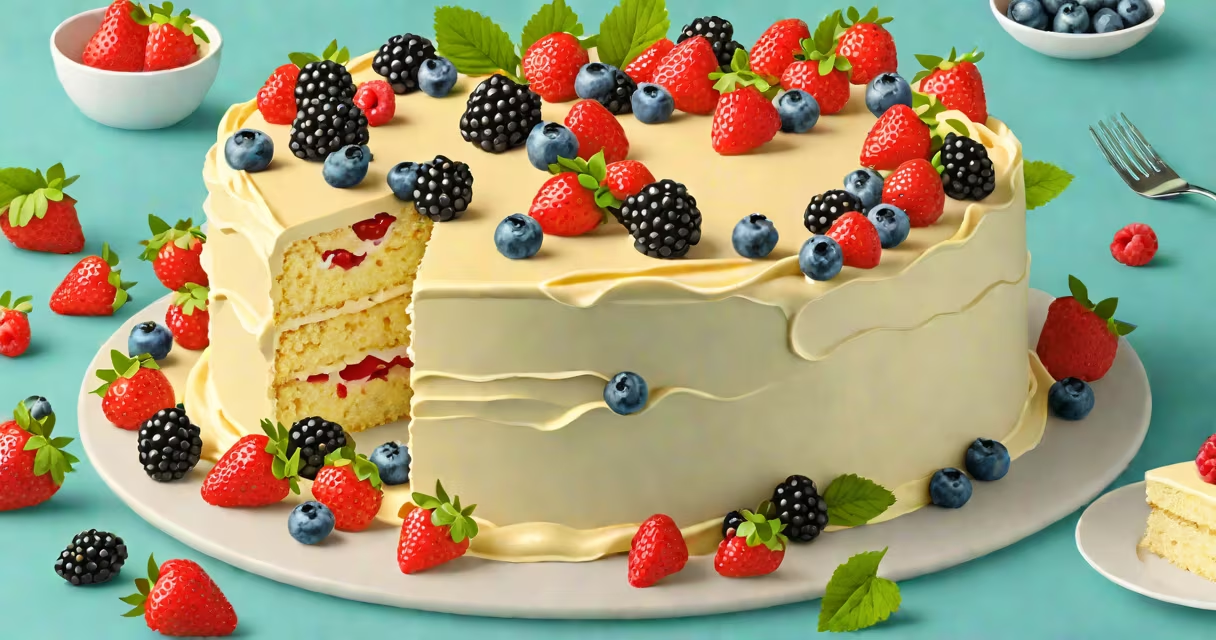
frosting recipes for cakes are mixtures applied to the surface of baked cakes to add flavor, moisture, and visual appeal. They range from simple butter-based blends to rich ganaches and whipped creams, each suited to specific textures and occasions.
Most frosting recipes for cakes rely on base ingredients like butter, powdered sugar, eggs, cream, or milk. The consistency and stability depend on ratios and temperature control. For example, American buttercream uses 1 cup softened unsalted butter, 3 cups powdered sugar, 2-3 tablespoons heavy cream, and 1 teaspoon vanilla extract. This yields a sweet, spreadable layer ideal for birthday cakes and sheet pans.
Professional bakers often adjust recipes based on climate. In humid regions, buttercreams can soften too quickly. To counter this, they increase powdered sugar or add a small amount of cornstarch to absorb excess moisture. A 2021 study by the American Society of Baking confirmed that adding 1% cornstarch by weight improved texture retention in high-humidity environments.
Frosting recipes for cakes fall into four primary categories: butter-based, egg-based, cream-based, and chocolate-based. Each has distinct characteristics and ideal applications.
| Type | Base Ingredients | Best For | Stability |
|---|---|---|---|
| American Buttercream | Butter, powdered sugar, cream, vanilla | Birthday cakes, sheet cakes, beginner projects | High (holds shape well) |
| Italian Meringue | Whipped egg whites, hot sugar syrup, butter | Smooth, glossy finishes; wedding cakes | Very high (resists melting) |
| Whipped Cream | Heavy cream, sugar, vanilla | Light cakes, fruit-filled layers, summer desserts | Low (requires refrigeration) |
| Ganache | Dark chocolate, heavy cream | Chocolate cakes, drip effects, truffle fillings | Medium (cools to firm set) |
Italian meringue frosting is particularly stable under heat. When tested at 75°F (24°C), it maintains structure for over 6 hours, making it preferred for outdoor events. According to the Culinary Institute of America's 2020 testing protocol, it outperformed buttercream in both humidity and temperature variance.
Many home bakers fail because they skip key steps. A frequent error is adding powdered sugar too quickly to butter. This causes lumps and uneven texture. Instead, sift the sugar and add it gradually while mixing on low speed.
Another issue is overbeating. Whipped cream frostings lose air if beaten past 3 minutes. Overbeaten buttercream becomes grainy. The solution: stop mixing when the frosting reaches a soft peak consistency. Use a spatula to scrape down the bowl edges halfway through.
One non-obvious correction: always use room-temperature butter. Cold butter doesn't emulsify properly with liquids. A test by King Arthur Flour showed that butter at 68°F (20°C) incorporated smoothly in 45 seconds. At 40°F (4°C), it took 3 minutes and left visible streaks.
For a seasonal twist, try this pumpkin spice buttercream recipe:
Beat butter until light and fluffy (about 3 minutes). Add pumpkin puree and mix until blended. Sift in powdered sugar and beat on low until combined. Increase speed and beat 2 minutes. Add cream, vanilla, and spice. Mix until smooth. Use immediately or store covered in the fridge for up to 5 days.
I made this for a fall-themed baby shower. The cake was a triple-layer yellow sponge with caramelized apple filling. The frosting held its shape during transport and didn't weep in the 78°F (26°C) afternoon heat. Guests praised the subtle warmth of cinnamon and nutmeg.
People frequently mistake glaze for frosting. Glazes are thin, pourable coatings made with powdered sugar and liquid (water, lemon juice, or milk). They don't hold peaks or pipe well. Frosting recipes for cakes are thicker and designed for spreading or piping.
Another confusion: ganache vs. frosting. Ganache is a chocolate-cream mixture that sets firm when cooled. It's used for draping, dipping, or filling. While it can coat a cake, it lacks the sweetness and volume of traditional frostings. Using ganache as a substitute for buttercream changes the dessert's balance.
Finally, some assume all frosting recipes for cakes require eggs. Not true. Egg-free versions exist using aquafaba, coconut oil, or vegan butter. These work well for dietary restrictions but may lack the sheen and stability of egg-based versions.
Understanding the function and composition of frosting recipes for cakes prevents common failures. Choose the right type based on environment, occasion, and desired outcome. Always test a small batch before decorating a large cake.