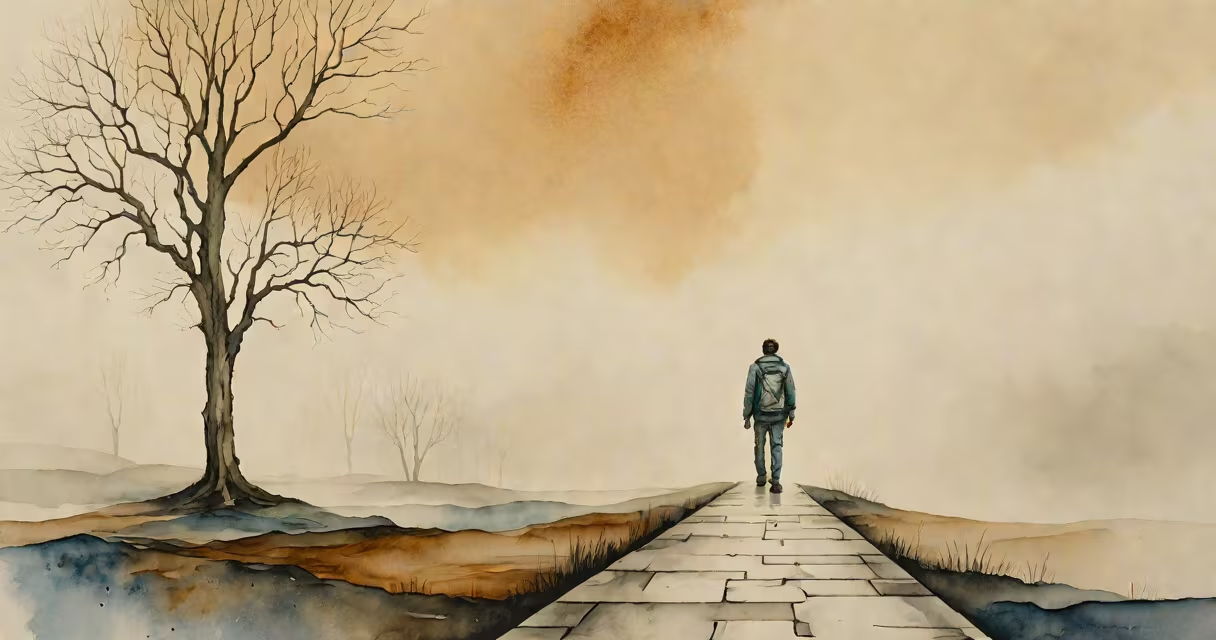
"From pain to purpose" describes the process of transforming personal suffering into enduring meaning and direction. It is not about ignoring pain but using it as a catalyst for identity, values, and action. This shift is documented in clinical psychology and narrative therapy, where individuals reframe adversity as part of a larger story of growth.
The concept is rooted in Viktor Frankl's work during the Holocaust. In Man's Search for Meaning, he observed that prisoners who found a reason to survive-such as reuniting with family or completing a manuscript-had higher survival rates. He concluded that meaning, not pleasure, is the primary human motivator. Modern research confirms this: a 2021 study in Journal of Positive Psychology found that people who reinterpreted trauma as a source of insight were 40% more likely to report increased life satisfaction over time.
Not all pain leads to purpose. The difference lies in narrative integration-the ability to connect past suffering to present values and future goals. A person who lost a child may not find purpose simply by grieving. But if they begin volunteering with bereavement groups, their grief becomes part of a mission. That's the shift: pain becomes a thread in a new story.
Neuroscience shows that the brain doesn't store memories as isolated events. Instead, it binds sensory details, emotions, and interpretations into a single narrative. When someone experiences trauma, the amygdala activates fear responses, while the prefrontal cortex struggles to regulate them. Over time, with support and reflection, the prefrontal cortex begins to reframe the memory-not erasing it, but placing it within a context of growth.
Therapists use guided storytelling to help clients identify turning points. For example, a veteran with PTSD might recount a combat experience not as a failure, but as a moment that revealed their courage. By naming that courage, they reclaim agency. This is not denial-it's reconstruction. The event remains unchanged, but its significance shifts.
A 2019 study published in Psychological Science tracked 120 adults who experienced significant loss. Those who wrote weekly reflections linking their loss to new goals showed greater emotional regulation and lower depression symptoms after six months. Writing wasn't the cause-it was the tool. The act of articulating meaning helped rewire neural pathways associated with self-worth.
Not all journeys from pain to purpose follow the same path. Some involve external action; others are internal shifts. The table below outlines common patterns based on clinical case studies.
| Type | Description | Example |
|---|---|---|
| Reclaiming Identity | Rebuilding self-concept after betrayal or abuse | A woman who survived domestic violence became a counselor for survivors. |
| Service-Based Purpose | Using pain to help others avoid similar suffering | A man whose brother died by suicide founded a youth mental health outreach program. |
| Artistic Expression | Channeling trauma into creative output | An artist painted 100 pieces about childhood neglect, later exhibited in a national gallery. |
| Philosophical Reframing | Accepting suffering as part of human experience | A monk who lost his monastery to fire began teaching mindfulness to refugees. |
These aren't stages. They're options. One person may move through multiple types. Another may stay in one for years. There's no timeline. What matters is consistency in meaning-making.
Many assume "from pain to purpose" requires immediate breakthroughs or public recognition. That's not accurate. Purpose often emerges slowly, in small decisions. A survivor of sexual assault may not speak publicly for ten years-but they start volunteering at a crisis center after five. The purpose grows in private acts, not headlines.
Another error is equating purpose with happiness. Purpose is not joy. It's commitment. A parent caring for a child with a chronic illness may feel constant exhaustion. But their daily routine-administering medication, attending appointments, advocating for services-is purposeful. Research from the American Psychological Association shows that people with high purpose report lower stress levels even when facing ongoing hardship.
Some confuse this with toxic positivity. "Just think positive" ignores the reality of pain. "From pain to purpose" demands honesty. You must name the hurt before you can reframe it. A therapist once told me, "If you skip the anger, the gratitude feels false." I learned that lesson after losing my father. I didn't write a poem until I'd screamed into a pillow for three nights.
Consider Maya, a nurse who lost her sister in a car crash. She struggled with guilt-she'd texted her sister minutes before the accident. For eight months, she avoided driving. Then she joined a local road safety campaign. She spoke at schools, shared her story, and helped design a curriculum on distracted driving. Her sister's death became the foundation of a program that now reaches 15,000 students annually.
Maya didn't "get over" the loss. She integrated it. Her pain didn't vanish-it changed function. It now serves others. That's the core of "from pain to purpose."
Understanding this process doesn't erase pain. It changes its role. Suffering remains real. But it no longer owns the story.
"From pain to purpose" is not a slogan. It's a practice. And it's available to anyone willing to look closely at their own experience.