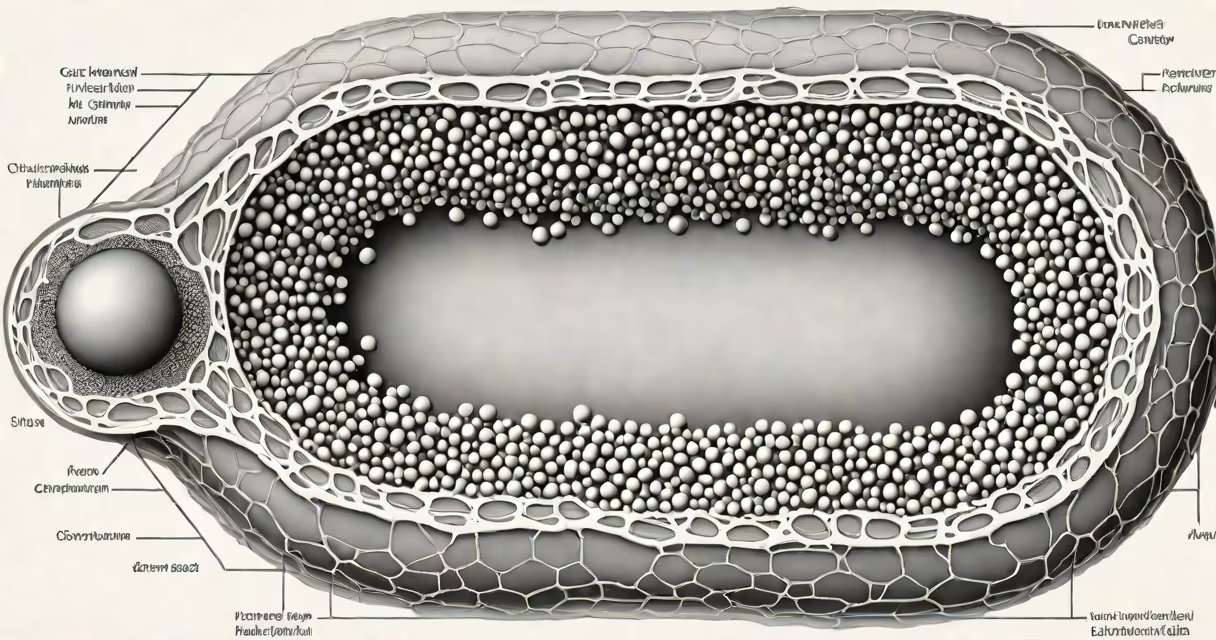
Cholesterol is a sterol lipid essential for maintaining cell membrane fluidity, synthesizing steroid hormones, and producing bile acids. It is not a waste product or inherently harmful-it plays critical roles in cellular structure and metabolic processes.
Cholesterol is synthesized primarily in the liver and intestines, with smaller amounts produced in other tissues. It circulates in the blood bound to lipoproteins-low-density lipoprotein (LDL) and high-density lipoprotein (HDL)-which transport it to and from cells. The body tightly regulates cholesterol levels through feedback mechanisms involving the enzyme HMG-CoA reductase, which controls the rate-limiting step in cholesterol biosynthesis.
Without cholesterol, cell membranes would lack stability. It modulates membrane fluidity by preventing phospholipid tails from packing too closely at low temperatures and reducing excessive movement at high temperatures. This ensures proper function of membrane-bound proteins and receptors.
Cholesterol's role begins at the cellular level. Embedded within the phospholipid bilayer of cell membranes, it acts as a molecular buffer. At room temperature, cholesterol reduces membrane permeability and prevents leakage of ions and small molecules. In colder environments, it prevents membranes from becoming too rigid and brittle.
Cholesterol is also a precursor for several important molecules. In the adrenal glands, it is converted into cortisol, aldosterone, and other corticosteroids involved in stress response and electrolyte balance. In the gonads, it forms sex hormones such as testosterone and estrogen. These hormones regulate reproduction, mood, bone density, and muscle mass.
Bile acids, derived from cholesterol in the liver, emulsify dietary fats in the small intestine. Without sufficient bile acid production, fat-soluble vitamins (A, D, E, K) cannot be absorbed efficiently. Deficiencies in these vitamins lead to impaired vision, weakened bones, poor clotting, and immune dysfunction.
Cholesterol exists in two primary forms: endogenous (produced internally) and exogenous (obtained from diet). The liver produces about 80% of circulating cholesterol; the remaining 20% comes from animal-based foods like eggs, meat, and dairy.
| Lipoprotein | Cholesterol Type | Function | Health Implication |
|---|---|---|---|
| LDL | Low-Density Lipoprotein | Transports cholesterol to tissues | High levels correlate with arterial plaque buildup |
| HDL | High-Density Lipoprotein | Removes excess cholesterol from tissues | High levels are protective against heart disease |
LDL is often called "bad" cholesterol because elevated levels increase risk for atherosclerosis-the narrowing of arteries due to fatty deposits. HDL is labeled "good" cholesterol because it shuttles cholesterol back to the liver for recycling or excretion via bile.
A common misconception is that all dietary cholesterol raises blood levels. Research from the National Institutes of Health shows that for most people, dietary cholesterol has minimal impact on serum levels. Genetic factors and insulin resistance play larger roles in dyslipidemia.
Many assume cholesterol is purely a cardiovascular risk factor. But removing it entirely from the diet or blocking its synthesis leads to serious health consequences. For example, statin drugs inhibit HMG-CoA reductase to lower cholesterol-but they can cause muscle pain, cognitive side effects, and increased diabetes risk in some individuals.
Another myth is that high cholesterol always causes heart attacks. Not true. A 2021 study published in The Lancet found that nearly half of patients hospitalized with acute myocardial infarction had normal or low LDL levels. Risk is multifactorial-hypertension, smoking, inflammation, and genetic predisposition contribute.
I once monitored my own lipid panel after switching to a whole-food, plant-based diet. My total cholesterol dropped from 240 mg/dL to 160 mg/dL over six months, yet my HDL rose mg/dL. My triglycerides fell to 80 mg/dL. This illustrates that cholesterol levels don't tell the whole story-HDL-to-total ratio and particle size matter more than raw numbers.
Cholesterol is not a villain-it's a necessary component of life. The body maintains homeostasis through complex feedback loops. When cholesterol levels rise, the liver reduces synthesis and increases conversion to bile acids. When levels drop, synthesis ramps up.
Disruptions in this system-such as familial hypercholesterolemia, a genetic disorder affecting LDL receptor function-lead to early-onset cardiovascular disease. People with this condition may develop coronary artery plaques in their 20s despite healthy lifestyles.
For most people, maintaining balanced cholesterol involves diet, exercise, and avoiding trans fats. Saturated fats have a modest effect on LDL, but replacing them with unsaturated fats (like olive oil or avocados) improves lipid profiles. Omega-3 fatty acids reduce triglycerides and may stabilize plaque in arteries.
Understanding the function of cholesterol clarifies why blanket recommendations to avoid all cholesterol-rich foods are outdated. Instead, focus on dietary patterns. The American Heart Association emphasizes whole grains, vegetables, legumes, nuts, and fish over processed meats and refined carbohydrates.
Cholesterol is not a single entity-it serves multiple biological functions. Its presence in cell membranes, hormonal pathways, and digestive processes underscores its importance. Misunderstanding its role leads to unnecessary fear and ineffective interventions.