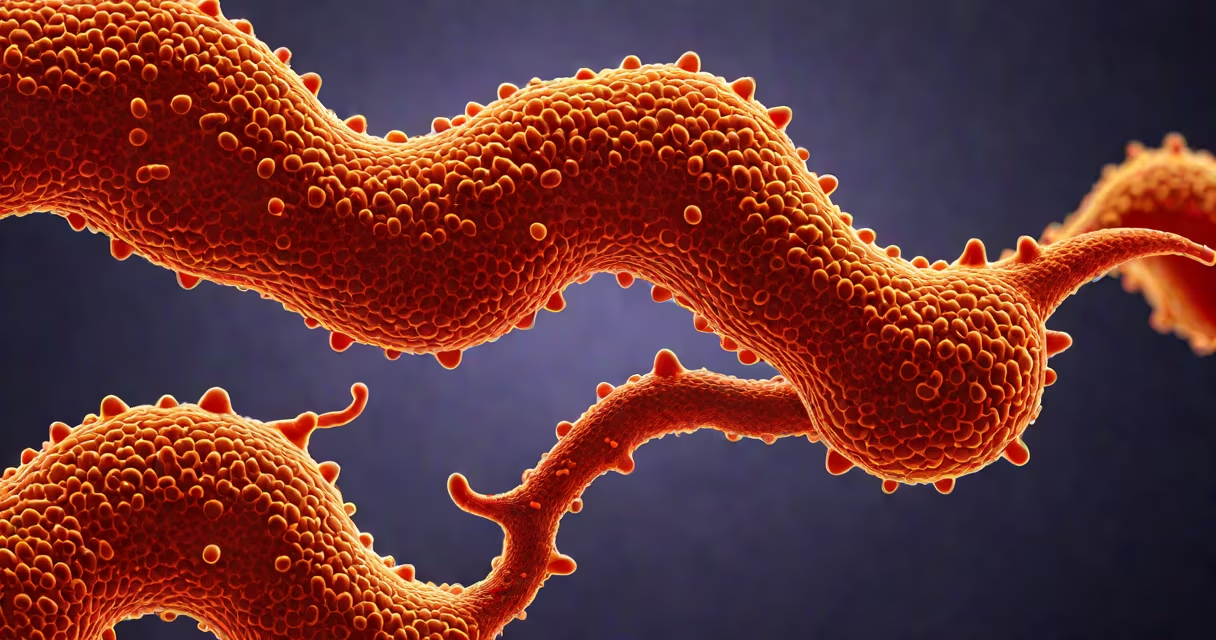
Gastric body inflammation is a condition where the mucosal lining of the stomach's body region becomes swollen and irritated, often due to infection, autoimmunity, or prolonged irritation from alcohol, NSAIDs, or stress. This specific form affects the fundus and corpus regions, which produce acid and intrinsic factor.
It occurs when the protective mucus layer erodes, allowing gastric acid and enzymes to damage underlying tissues. The immune system responds by sending white blood cells to the area, causing redness, swelling, and pain. Left untreated, it can progress to atrophic gastritis, where glands shrink and function declines.
Unlike antral gastritis-which primarily causes ulcers and nausea-gastric body inflammation disrupts acid production and vitamin B12 absorption. It's linked to pernicious anemia and increased risk of gastric cancer in long-term cases. Diagnosis requires endoscopy with biopsy, not just symptom reporting.
The stomach's body region contains parietal cells that secrete hydrochloric acid and intrinsic factor. When these cells are damaged by chronic inflammation, acid output drops, leading to hypochlorhydria. This creates a favorable environment for bacterial overgrowth and nutrient malabsorption.
Common triggers include Helicobacter pylori infection, which colonizes the mucosa and activates immune pathways. Autoimmune gastritis occurs when the body attacks parietal cells, mistaking them for foreign invaders. This form is strongly associated with type 1 diabetes, Addison's disease, and Hashimoto's thyroiditis.
Prolonged use of NSAIDs like ibuprofen or aspirin inhibits prostaglandins that protect the mucosa. Alcohol and high-salt diets also impair barrier function. A 2021 study in Gastroenterology found that patients with autoimmune gastritis had a 40% higher incidence of gastric adenocarcinoma over 15 years compared to controls.
There are two primary categories: infectious and autoimmune. Infectious gastritis stems from H. pylori, while autoimmune gastritis results from anti-parietal cell antibodies. They differ in location, symptoms, and treatment.
| Type | Primary Cause | Typical Location | Key Lab Findings | Treatment Focus |
|---|---|---|---|---|
| Infectious | H. pylori | Body and antrum | Positive urease test, elevated serum gastrin | Antibiotic triple therapy |
| Autoimmune | Anti-parietal cell & intrinsic factor antibodies | Body (corpus-predominant) | Low serum vitamin B12, high gastrin, negative H. pylori | B12 supplementation, acid suppression |
Chronic inflammation in the body's gastric region may also result from eosinophilic gastritis, though this is rare and presents with vomiting and abdominal pain. It's diagnosed via endoscopic biopsy showing eosinophil infiltration (>20 per high-power field).
Gastric body inflammation is frequently mistaken for functional dyspepsia or reflux disease. Symptoms like bloating, early satiety, and mild upper abdominal discomfort overlap, but lack the sign lab abnormalities of true inflammation.
A key distinction: patients with autoimmune gastritis often have normal or low acid levels, unlike typical gastritis which increases acid. This leads to misdiagnosis as "low-acid" indigestion. A 2019 review in Alimentary Pharmacology & Therapeutics noted that 30% of autoimmune gastritis cases were initially labeled as idiopathic dyspepsia.
One non-obvious fact: even after successful H. pylori eradication, residual inflammation can persist for months. A 2020 study showed that 62% of treated patients still had histologic signs of inflammation at 6-month follow-up, indicating that healing takes longer than symptom resolution.
A 54-year-old woman presented with fatigue, weight loss, and numbness in her hands. Blood tests revealed severe vitamin B12 deficiency (serum level: 100 pg/mL, normal >300). Endoscopy showed patchy erythema and atrophy in the gastric body. Biopsy confirmed lymphocytic infiltration and loss of parietal cells.
Testing was positive for anti-parietal cell antibodies and intrinsic factor antibodies. She was diagnosed with autoimmune gastritis. After starting monthly intramuscular B12 injections and proton pump inhibitor therapy, her energy improved within four weeks. Her neuropathy stabilized after six months of treatment.
This case highlights that systemic symptoms-like neurological changes-are red flags for gastric body inflammation, not just GI distress.
If you experience persistent upper abdominal discomfort, unexplained fatigue, or neurological symptoms like tingling, seek evaluation. Testing includes serum vitamin B12, folate, and intrinsic factor antibody levels. An upper endoscopy with biopsy is required for definitive diagnosis.
I've seen patients improve after switching from a Western-style diet to a Mediterranean pattern rich in fiber, omega-3s, and antioxidants. One patient with refractory autoimmune gastritis reported reduced bloating and better energy after eliminating dairy and gluten, though this wasn't universally effective.
Early detection prevents complications like pernicious anemia or gastric cancer. Regular monitoring of vitamin levels and endoscopic surveillance is advised for long-term management.
Gastric body inflammation is not a minor issue. It represents a breakdown in the stomach's defense mechanisms, requiring targeted medical intervention. Understanding its distinct features-especially the autoimmune variant-ensures timely diagnosis and prevention of irreversible damage.