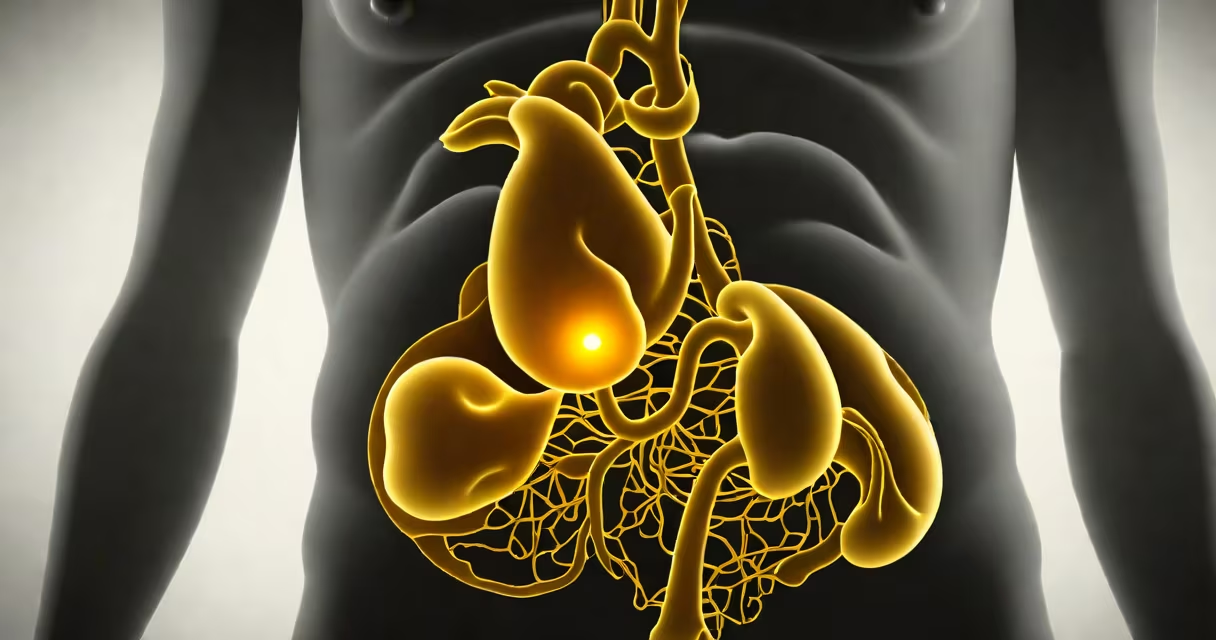
The gallbladder's primary function is to store, concentrate, and release bile into the small intestine during digestion to break down fats. This process enables efficient absorption of fat-soluble nutrients and prevents digestive discomfort.
Bile is produced continuously by the liver and flows through the hepatic duct into the common bile duct. When food enters the small intestine, especially fatty meals, the hormone cholecystokinin triggers the gallbladder to contract and eject concentrated bile into the duodenum. Without this mechanism, fat digestion slows.
Each meal containing fat activates the gallbladder's release cycle. A typical adult gallbladder holds about 30-50 milliliters of bile, which becomes five times more concentrated than freshly produced bile. This concentration increases the bile's effectiveness in emulsifying fats-breaking them into tiny droplets so enzymes can act efficiently.
The gallbladder contracts in response to signals from the digestive system. After eating, particularly meals rich in lipids, the small intestine releases cholecystokinin (CCK). CCK travels through the bloodstream to the gallbladder, causing smooth muscle walls to tighten and push bile through the cystic duct into the common bile duct.
Once in the duodenum, bile salts-main components of bile-act as detergents. They surround large fat molecules and split them into smaller particles. This emulsification step increases surface area, allowing pancreatic lipase to access and digest triglycerides into fatty acids and monoglycerides.
A 2021 study published in Gastroenterology confirmed that patients who had their gallbladders removed (cholecystectomy) showed a 30% reduction in fat digestion efficiency during high-fat meals compared to those with intact gallbladders. The study tracked bile flow using magnetic resonance cholangiopancreatography (MRCP).
The gallbladder is a hollow, pear-shaped organ located beneath the liver. Its wall consists of three layers: mucosa, muscularis, and serosa. The mucosa contains specialized epithelial cells that absorb water and electrolytes from bile, concentrating it by up to 5x.
The muscularis layer contains smooth muscle fibers arranged in circular and longitudinal patterns. These fibers generate contractions that expel bile during digestion. The serosa forms the outer protective layer, anchoring the organ to nearby tissues via connective tissue.
Inside, the gallbladder lumen maintains a slightly acidic pH (around 6.5), which helps prevent bacterial growth. Bile itself contains cholesterol, bilirubin, lecithin, and bile salts-each playing a role in fat breakdown and waste excretion.
There are no anatomical "types" of gallbladders in humans. However, functional differences arise due to health conditions. For example:
| Condition | Impact on Function | Common Symptoms |
|---|---|---|
| Cholelithiasis (gallstones) | Blocks bile outflow; may cause inflammation or infection | Pain in upper right quadrant, bloating, nausea |
| Acute cholecystitis | Severe inflammation impairs contraction ability | Fever, tenderness, vomiting |
| Post-cholecystectomy syndrome | Bile flows directly; less controlled release | Diarrhea, indigestion, fatty food intolerance |
The gallbladder is not essential for survival. People live normally without it. After surgery, bile flows continuously from the liver into the small intestine rather than being stored and released in bursts. This leads to less efficient fat processing, especially after large meals.
Many assume the gallbladder produces bile. That is incorrect. The liver synthesizes bile continuously. The gallbladder only stores and concentrates it. Confusing these roles leads to misunderstandings about diet and disease.
Another myth is that removing the gallbladder causes long-term weight gain. Research from the National Institutes of Health (NIH) shows no direct link between cholecystectomy and increased body mass index. Weight changes post-surgery are typically related to altered eating habits, not missing organs.
A third misconception is that gallstones form from poor diet alone. While high-fat diets increase risk, genetics, obesity, rapid weight loss, and certain medications also contribute. According to the American Gastroenterological Association, 10-15% of adults in the U.S. have gallstones, but only 1-3% develop symptoms annually.
In 2019, a 47-year-old woman presented to an emergency department with severe pain under her right rib cage after eating a greasy meal. Imaging revealed a 1.2 cm gallstone blocking the cystic duct. Her gallbladder was inflamed and unable to contract properly.
She underwent laparoscopic cholecystectomy. Post-op, she reported immediate relief from pain. Over the following weeks, she noticed mild diarrhea after eating fatty foods-consistent with reduced bile control. She adjusted her diet to smaller portions of healthy fats and resumed normal activity within two weeks.
This case illustrates the gallbladder's role in managing fat digestion. Without it, the body adapts-but not perfectly. The absence of storage and timed release disrupts optimal fat breakdown.
The gallbladder works closely with the pancreas and liver. The pancreas secretes digestive enzymes, including lipase, which acts on emulsified fats. The liver produces bile and regulates cholesterol levels. Together, they maintain metabolic balance.
For example, excess cholesterol in bile can lead to cholesterol stones-accounting for 80% of gallstones. High levels of bilirubin result in pigment stones, often seen in people with hemolytic anemia. Understanding these links helps explain why some individuals are more prone to gallbladder issues.
Even though the gallbladder is small-about 7-10 cm long-it plays a critical role in lipid metabolism. Its function is subtle but important. Without it, digestion of fats becomes less efficient, especially after large or fatty meals.
Understanding the gallbladder's primary function clarifies why disruptions cause real symptoms. It also explains why surgical removal, while effective for treating stones, requires dietary adjustment afterward. The organ doesn't make bile-it manages it.