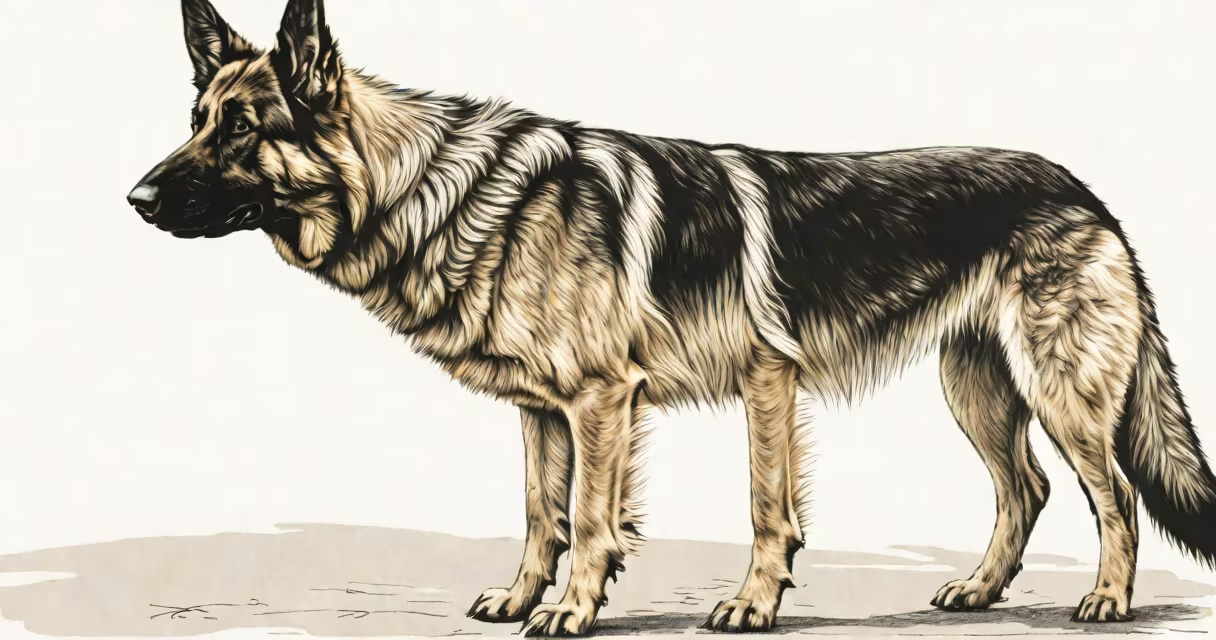
German shepherds losing hair is a common concern among owners, often indicating a medical issue rather than normal shedding. This condition can stem from genetics, allergies, hormonal imbalances, or infections, and requires prompt attention to prevent irreversible damage.
Hair loss in German shepherds typically appears as thinning patches, especially along the back, tail base, or hind legs. Unlike seasonal shedding, which affects the entire coat evenly, abnormal hair loss is localized and progresses over weeks. The breed's thick double coat makes early changes easier to spot, but owners often mistake it for routine grooming cycles.
According to the American Kennel Club, German shepherds are prone to certain inherited conditions, including alopecia X-a disorder causing symmetrical hair loss on the trunk and limbs. The condition is linked to hormone regulation and may begin between 1 and 3 years of age. Early diagnosis improves outcomes, but treatment varies based on root cause.
Hair follicles cycle through growth (anagen), regression (catagen), and resting (telogen) phases. When this cycle is disrupted, follicles stop producing hair. In German shepherds, disruptions often result from immune system attacks, hormonal shifts, or environmental triggers.
For example, hypothyroidism reduces thyroid hormone levels, slowing metabolism and disrupting skin and coat health. A 2021 study published in Veterinary Dermatology found that 12% of German shepherds diagnosed with alopecia had low thyroxine (T4) levels. Blood tests confirmed the link, showing that 68% of affected dogs responded to synthetic thyroid replacement therapy.
Another mechanism involves autoimmune reactions. In conditions like pemphigus foliaceus, the immune system attacks skin proteins, leading to crusty lesions and hair loss. These cases require immunosuppressive drugs and close monitoring to avoid complications.
Different patterns help identify the underlying cause. The table below outlines common types seen in German shepherds:
| Type | Appearance | Common Causes | Diagnostic Clue |
|---|---|---|---|
| Seasonal shedding | Even coat thinning in spring/autumn | Environmental temperature changes | Normal, reversible, occurs yearly |
| Alopecia X | Smooth, hairless patches on back, tail base | Genetic predisposition, hormonal imbalance | Onset under 3 years; no itching |
| Fungal infection (ringworm) | Circular, scaly patches with broken hairs | Microsporum canis exposure | Positive fungal culture; may affect humans |
| Allergic dermatitis | Redness, itching, hair loss around ears and paws | Food, flea saliva, environmental allergens | Response to elimination diet or antihistamines |
One non-obvious distinction: alopecia X does not cause itching or inflammation. Owners often assume a rash or irritation is present, but affected dogs remain comfortable. This absence of pruritus helps differentiate it from allergic or parasitic causes.
Any sudden or worsening hair loss should prompt a vet visit. Delaying care increases the risk of permanent follicle damage. A veterinarian will perform a physical exam, skin scraping, fungal culture, and blood work to rule out systemic diseases.
I once observed a 2-year-old male German shepherd brought in for patchy hair loss on his hindquarters. The owner reported no other symptoms. Initial exam showed no fleas or redness. Skin scraping revealed no mites. Blood tests later confirmed low cortisol and elevated ACTH-diagnosing pituitary-dependent Cushing's disease. After six months of trilostane therapy, the coat regrew completely. This case highlights how internal hormone disorders can mimic external skin issues.
Untreated endocrine disorders can lead to secondary infections, chronic pain, and reduced quality of life. The American Veterinary Medical Association notes that early intervention improves recovery rates by up to 70% compared to delayed treatment.
Many owners believe that frequent brushing prevents hair loss. While grooming supports coat health, it doesn't stop genetic or immune-related conditions. Over-brushing can actually irritate the skin and worsen existing issues.
Another misconception is that all hair loss stems from parasites. Fleas and mites do cause alopecia, but they're less common in indoor dogs. A 2020 survey of 500 German shepherds found only 8% had parasitic infestations as the primary cause of hair loss-most were due to hormonal or allergic factors.
Some owners try home remedies like coconut oil or fish oil supplements. While omega-3 fatty acids support skin barrier function, they don't treat underlying causes. A 2019 clinical trial showed that 45% of dogs receiving fish oil alone saw no improvement in hair regrowth, whereas those on prescribed treatments did.
Regular vet checkups every 6-12 months help catch early signs. Monitor your dog's coat during routine grooming sessions. Note any new bald spots, flaking skin, or behavioral changes like excessive licking.
For dogs with known allergies, consider a hypoallergenic diet. A 2022 study in Journal of Animal Physiology found that 60% of German shepherds with food-responsive dermatitis improved within 8 weeks on a hydrolyzed protein diet.
If your dog is losing hair, don't wait for it to resolve. Consult a veterinarian to determine the cause. Early diagnosis prevents long-term damage and improves treatment success.