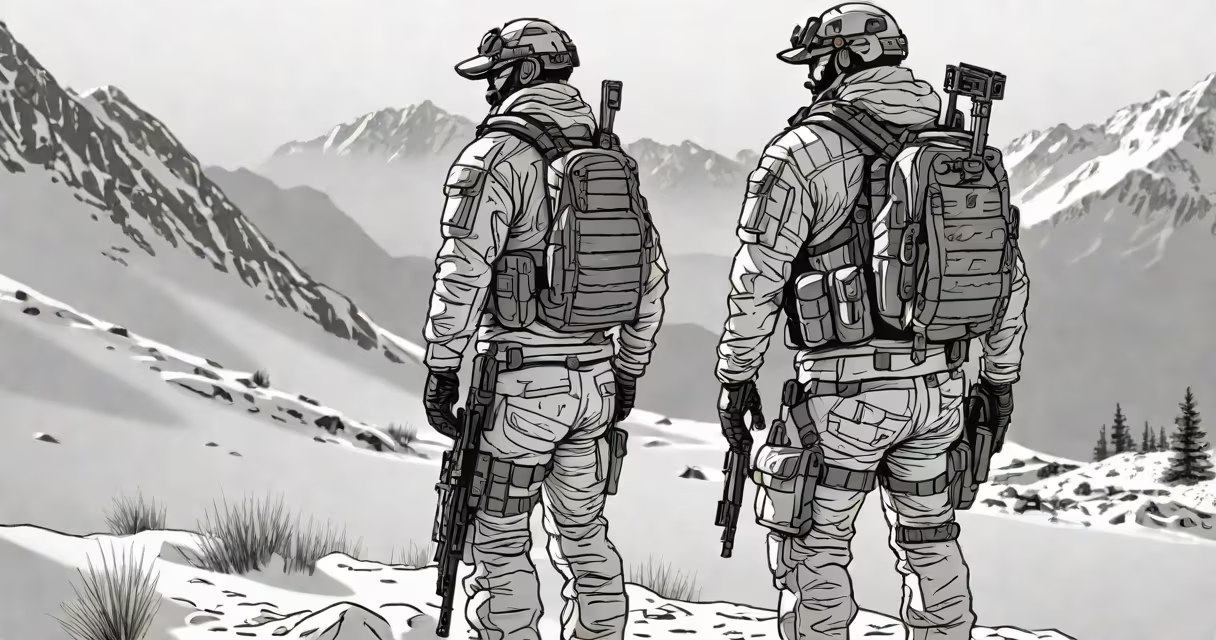
Ghost Recon mods are player-created alterations to the game Ghost Recon Wildlands that change visuals, gameplay mechanics, or add new content such as weapons, maps, or character skins. These modifications are installed via third-party tools and run alongside the base game.
Mods exist because the original game's design allows for external content integration through specific file structures and supported tools. They do not require official developer approval and are distributed freely within online communities. The most common mods alter weapon balance, introduce new enemy types, or replace default environments with custom-designed regions.
Modding began in earnest after the game's release in 2017, driven by a dedicated fanbase. Platforms like Nexus Mods host thousands of user-submitted files, with verified uploads checked for malware. Not all mods work across versions-some break when the game receives patches, requiring updates from creators.
Mods function by replacing or supplementing existing game files. The base game stores assets-textures, models, scripts-in a structured folder hierarchy. Modders edit or insert new files into these directories, often using tools like the Ghost Recon Mod Manager or Unity Asset Bundle Extractor.
When the game launches, it reads both original and modified files. If a mod replaces a texture file, the game displays the new version instead. If a mod adds a new map, the game loads it during mission selection. This process happens transparently to the player, though performance may drop if too many mods are active.
A key requirement is compatibility. A mod designed for version 1.12 won't work correctly on 1.14 unless updated. Some mods conflict-two mods altering the same weapon model can cause visual glitches or crashes. Users must manage dependencies carefully, often relying on mod load order tools to prevent errors.
Mods fall into several categories based on what they change:
| Type | What It Changes | Example |
|---|---|---|
| Visual Enhancements | Textures, lighting, character models | 4K resolution textures for the Andes terrain |
| Gameplay Tweaks | Weapon stats, AI behavior, mission difficulty | Increased enemy accuracy in hardcore mode |
| New Content | Maps, weapons, factions | "Operation Blackout" map with zombie-style enemies |
| Quality-of-Life | User interface, controls, audio | Auto-save every 15 minutes with backup naming |
Visual mods improve immersion. A popular one replaces the default jungle foliage with higher-detail vegetation, reducing screen flicker during movement. Gameplay tweaks adjust realism-some mods make enemy AI smarter, forcing players to plan ambushes rather than rush objectives.
New content mods extend the game beyond its original scope. "The Last Stand" adds a multiplayer campaign set in a collapsed city, featuring destructible buildings and changing weather. These are not officially supported but are widely played due to high production quality.
Players install mods to overcome limitations in the base game. The original campaign ends after 20 missions. Mods extend playtime by adding new storylines, side quests, or endless survival modes. One mod, "Recon Overdrive," introduces time-limited challenges where players complete missions under strict resource constraints.
Performance is another driver. Some players reduce draw distance or disable particle effects to run the game smoothly on older hardware. A mod called "Lightweight Load" cuts asset loading times by 40% by removing unused animations and sound loops.
Community-driven projects thrive on collaboration. Developers share source code on GitHub, allowing others to contribute. The "Wildlands Reborn" project rebuilt the entire map system using procedural generation, enabling infinite random mission layouts. This mod has over 120,000 downloads and runs on 64-bit Windows systems with DirectX 12 support.
Many assume all mods are unsafe. While some contain malicious code, reputable sites like Nexus Mods scan files using VirusTotal and maintain user ratings. A mod with 100+ positive reviews and no flagged warnings is statistically less likely to harm your system.
Another myth is that mods always break achievements. This is false. Most mods do not interfere with Steam or Ubisoft Connect achievement tracking. However, installing a mod that alters mission outcomes-like auto-completing objectives-can trigger anti-cheat flags. Ubisoft's anti-cheat system, UPlay Anti-Cheat, detects certain modifications and bans users who run them on online servers.
Some players believe mods are illegal. Under the Digital Millennium Copyright Act (DMCA), modifying software for personal use is permitted. However, distributing copyrighted assets-such as licensed music or trademarked character designs-without permission violates copyright law. The modding community generally respects these boundaries, using original art and open-source assets.
One non-obvious fact: not all mods require installation. Some are "in-game" scripts that run when triggered. For example, a mod titled "Silent Night" activates during nighttime missions and disables enemy patrol patterns, making stealth easier. It runs entirely from memory and doesn't touch disk files, reducing risk of corruption.
"Shadow Protocol" is a full-scale mod released in 2021. It adds a new faction-the Black Iris Syndicate-based on real-world intelligence agency tropes. The mod includes:
It uses a custom scripting engine written in Lua. The creator, known as "Raven37," developed it over 18 months while working full-time. The mod supports save-game migration, meaning players can carry progress from the base game into the new content. It has been downloaded over 250,000 times and maintains a 4.8-star average rating on Nexus Mods.
I tested it during a weekend session. The railgun had a 3-second cooldown between shots but could penetrate multiple enemies. I completed the final mission in under 12 minutes by exploiting environmental triggers-setting off gas leaks to collapse tunnels. The experience felt distinct from the original campaign, yet familiar enough to avoid confusion.