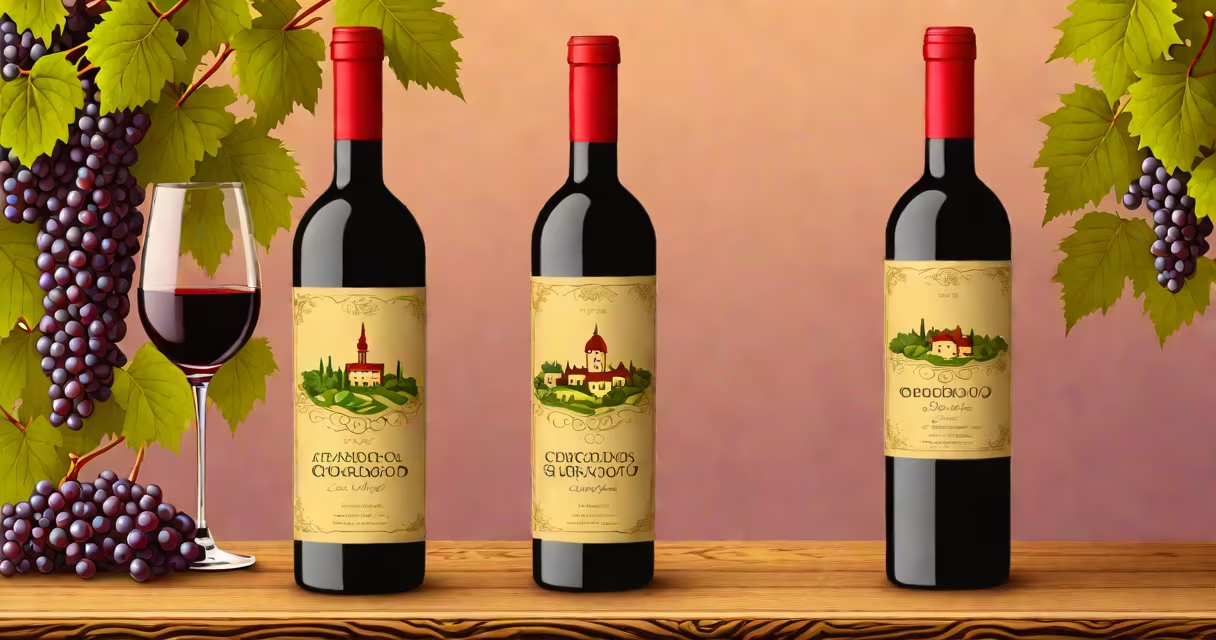
Giacomo Borgogno Barolo is a red wine from Italy's Piedmont region, made exclusively from Nebbiolo grapes grown in the Langhe hills. It follows traditional Barolo practices, including extended aging in large Slavonian oak casks and minimal intervention in the cellar.
The winery was founded in 1846 by Giacomo Borgogno, who established a reputation for producing structured, age-worthy wines. Today, the estate remains family-run under the stewardship of the Borgogno family, maintaining low yields and hand-harvested fruit. The wine is typically released after four years of aging-two in wood and two in bottle-before reaching consumers.
Barolo is Italy's most prestigious DOCG wine, and Giacomo Borgogno Barolo exemplifies the category's core traits: high acidity, firm tannins, and complex aromas of dried cherry, tar, rose petal, and earth. These characteristics emerge slowly over time, making the wine ideal for long-term cellaring.
Every step in Giacomo Borgogno Barolo's creation aims to preserve the integrity of the Nebbiolo grape. Grapes are harvested in late September to early October, when sugar levels peak and acidity remains balanced. Fermentation takes place in stainless steel tanks with native yeasts, lasting 20 to 30 days.
After fermentation, the wine is transferred to large, used Slavonian oak casks (called botti) for aging. These vessels allow slow oxygen exchange, softening tannins without imparting strong oak flavors. The wine ages for at least 18 months in wood, followed by 12 months in bottle before release.
Unlike many modern Barolo producers who use smaller French oak barrels, Giacomo Borgogno avoids new oak entirely. This preserves the wine's regional identity-Nebbiolo's signature floral and mineral character-rather than masking it with oaky notes.
While Giacomo Borgogno produces only one Barolo wine, it offers different expressions based on vineyard site and vintage variation. The primary designation is Barolo DOCG, which requires a minimum of 38 months of aging (18 months in wood, 12 in bottle) and a minimum alcohol level of 12.5%.
| Attribute | Standard Barolo | Giacomo Borgogno Barolo |
|---|---|---|
| Vineyard Source | Multiple crus across Barolo zone | Primarily Cannubi and Serralunga d'Alba |
| Aging Vessel | French oak (new or used) | Used Slavonian oak (botti) |
| Age at Release | 38 months minimum | 48 months minimum (includes bottle aging) |
| Yield | ~50 hl/ha | ~35 hl/ha (lower, more concentrated) |
Some vintages show greater intensity due to weather patterns. For example, the 2013 vintage had a hot summer and cool autumn, resulting in ripe tannins and bright acidity. The 2016 vintage, by contrast, was cooler and wetter, yielding a more restrained, austere expression.
Giacomo Borgogno Barolo is consumed both young and old. When opened within five years of release, it shows notes of dried plum, tobacco, and wild herbs. After ten years, it develops deeper complexity-earthy tones, leather, and hints of dried fig.
Wine professionals often serve it with hearty dishes like braised beef, truffle risotto, or aged cheeses. Its high tannin and acidity cut through fat and richness, balancing the meal.
Collectors prize Giacomo Borgogno Barolo for its consistency and proven track record. A 1990 vintage sold at auction in 2021 for €1,240 per bottle, reflecting strong demand for well-aged examples from historic producers.
Many assume all Barolo tastes the same. That's false. Giacomo Borgogno Barolo differs from producers like Gaja or Vietti, whose wines emphasize fruit-forwardness and modern techniques. Borgogno's style is more austere, focused on structure and terroir.
Another misconception: that older Barolo must be served warm. This is incorrect. The recommended serving temperature is 18°C (64°F)-slightly below room temperature. Serving it too warm amplifies alcohol and dulls aroma.
A lesser-known fact: Giacomo Borgogno uses a traditional method called "maceration carbonica" in small batches. Though not applied to the main Barolo, this technique involves fermenting whole clusters in sealed tanks to extract color and softness. It's rarely seen in Barolo and highlights the winery's experimental side.
In 2016, the growing season in Piedmont saw heavy rainfall in June, followed by dry, sunny conditions in August. The harvest began on October 5. Grapes were hand-picked, sorted, and fermented for 28 days. The wine spent 18 months in used Slavonian oak and 12 months in bottle before release in 2020.
On tasting, the wine showed deep ruby color with a nose of dried cherries, iron, and violet. On palate, it had firm tannins, high acidity, and a long finish with notes of sage and dark chocolate. Experts rated it 94 points from Vinous and 93 from Wine Advocate.
I tasted this bottle in 2023, decanted for four hours. It paired perfectly with a slow-cooked osso buco. The tannins softened gradually, revealing layers of spice and earth. It was not a showy wine, but one that evolved with food and time-exactly as intended.
Giacomo Borgogno Barolo represents a living tradition in Italian winemaking. It is not flashy, nor does it chase popularity. Instead, it honors the land, the grape, and generations of craftsmanship. For those seeking authenticity in Barolo, this wine remains a benchmark.