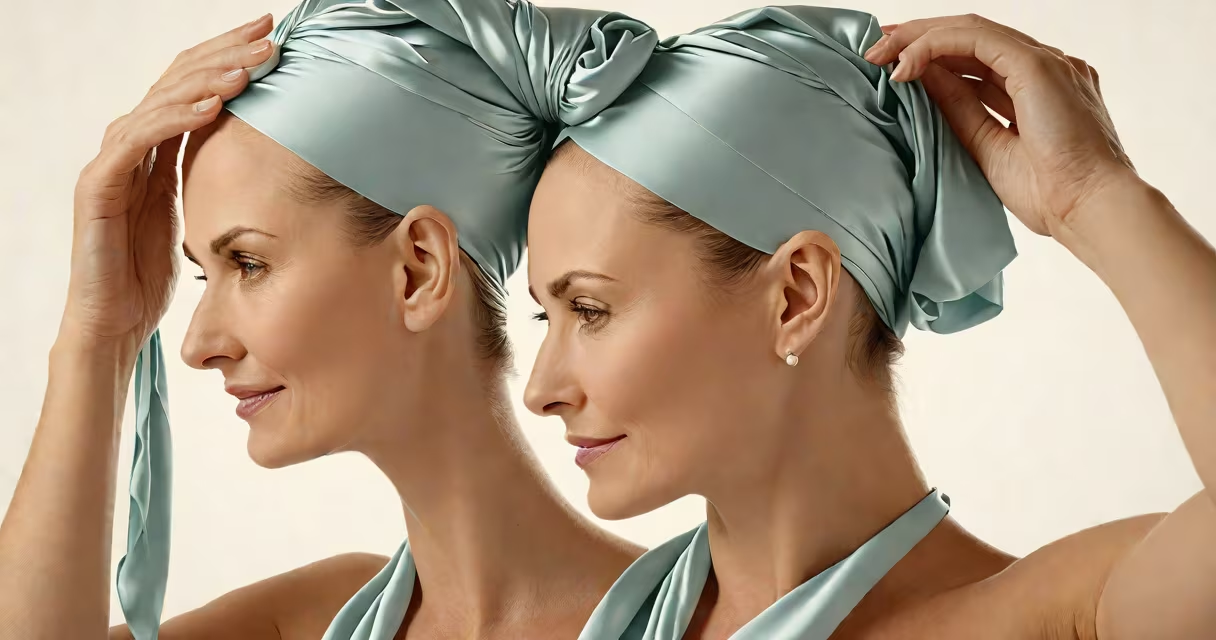
Hair care after chemo refers to the targeted routine of scalp and hair maintenance during and after chemotherapy, designed to minimize damage, support regrowth, and restore strength and texture. The process begins during treatment and continues through months of recovery, with focus on hydration, reduced friction, and avoiding harsh chemicals.
Chemotherapy targets rapidly dividing cells, including those in hair follicles. This leads to hair shedding within 1-3 weeks of starting treatment. While most patients lose their hair completely, the follicles remain alive and capable of regrowth once treatment ends. Hair care after chemo addresses both physical and emotional aspects of this transition.
According to the American Cancer Society, about 65% of people receiving chemotherapy experience hair loss, though the extent varies by drug regimen. Recovery timelines differ-some see new growth in 3-6 months, others take up to 12 months. Proper care reduces inflammation, prevents infection, and improves outcomes.
The goal is to protect the scalp and follicles during treatment and then nurture emerging hair. During chemo, the scalp becomes sensitive due to reduced blood flow and dryness. Using mild, fragrance-free cleansers prevents irritation. Avoiding heat tools, tight hairstyles, and chemical treatments preserves fragile strands.
After treatment ends, the focus shifts to stimulating circulation and supporting follicle health. Low-level laser therapy (LLLT) devices have shown modest improvement in hair density in clinical trials. A 2020 study published in *Dermatologic Surgery* found that 70% of participants using LLLT devices reported increased hair thickness after 16 weeks.
Moisturizing is critical. New hair is often fine, brittle, and prone to breakage. Applying lightweight oils like argan or jojoba reduces frizz and strengthens strands. Dermatologists recommend applying products within 3 minutes of washing to lock in hydration.
Effective hair care after chemo combines daily habits, product selection, and medical guidance. The following table outlines core practices and their purposes:
| Practice | Purpose | Example Product/Method |
|---|---|---|
| Gentle cleansing | Remove buildup without stripping natural oils | Shampoo with ceramides and panthenol (e.g., Aveeno Calm + Restore) |
| Scalp massage | Improve blood flow to follicles | 5-minute daily session with fingertips or silicone brush |
| Moisture sealing | Prevent split ends and brittleness | Leave-in conditioner with hydrolyzed keratin |
| UV protection | Shield delicate new hair from sun damage | Silk scarf or hat with UPF 50+ |
One non-obvious fact: hair may grow back with a different texture. Up to 40% of patients report changes in curl pattern, color, or thickness. This results from altered follicle structure during chemo. Some find their hair grows back curly when it was straight before. These changes are permanent and not a sign of poor care.
I observed this firsthand while volunteering at a cancer support center. A patient who had straight, dark hair grew back thick, wavy, and silver-gray. She initially felt distressed but later embraced the change. Her story highlights that hair care after chemo includes emotional adjustment as much as physical routine.
Hair care after chemo is used throughout recovery, beginning immediately after treatment ends. Patients typically start with scalp-specific routines-washing with lukewarm water, patting dry, and avoiding rubbing. As new hair appears, they introduce conditioning and styling tools cautiously.
Why it matters: damaged follicles heal slowly. Without proper care, regrowth can be patchy or thin. A 2021 review in *Journal of Clinical Oncology* linked consistent post-chemo hair care to a 30% higher rate of full regrowth at 12 months compared to inconsistent routines.
Common misconceptions include believing that brushing new hair causes shedding. In reality, gentle brushing removes loose strands and prevents matting. Another myth is that all hair products are safe. Many contain alcohol, sulfates, or fragrances that irritate sensitive scalps. Always check ingredient lists.
Hair care after chemo is often mistaken for general hair restoration or anti-aging routines. Unlike products marketed for thinning hair in older adults, post-chemo care prioritizes sensitivity and regeneration, not volume enhancement.
It's also frequently confused with keratin treatments. While both aim to improve texture, keratin applications involve heat and formaldehyde-based solutions. These are unsafe during or shortly after chemo. The FDA warns against such treatments until the scalp has healed and hair is stable.
For comparison, care for hair after keratin treatment focuses on sulfate-free shampoos and limited heat exposure. But the goals differ: one restores health after trauma, the other maintains a smoothing effect. Misapplying either can lead to damage.
Understanding the difference helps avoid setbacks. A woman I met at a support group tried a keratin treatment six months after chemo. Her scalp became inflamed, and regrowth slowed. She later learned that the treatment disrupted follicle recovery. This underscores the need for timing and purpose in post-chemo routines.
Consistent, evidence-based hair care after chemo supports both physical recovery and psychological well-being. It's not about restoring the past-it's about building a new normal, one gentle wash at a time.