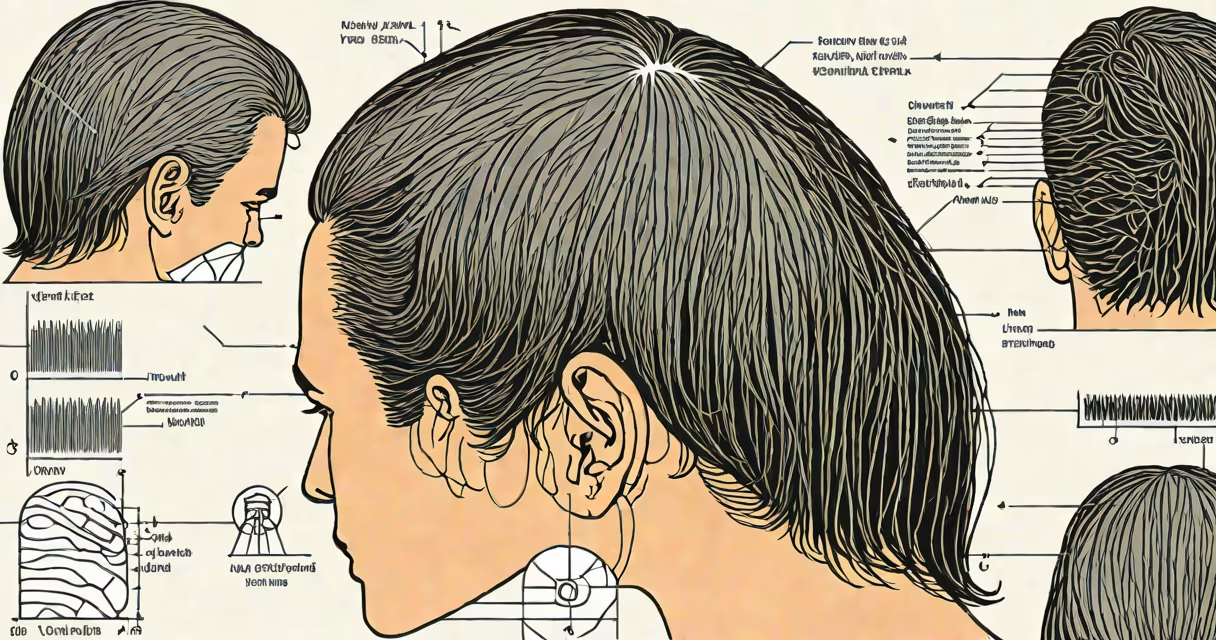
Hair fall natural describes the shedding of hair due to internal biological processes such as hormonal shifts, genetic predisposition, aging, or stress-not caused by chemical treatments, tight hairstyles, or external damage. It's a normal part of the hair growth cycle, but excessive or prolonged shedding may indicate an underlying imbalance.
The human scalp hosts about 100,000 hair follicles, each cycling through growth (anagen), regression (catagen), and resting (telogen) phases. On average, people lose 50 to 100 hairs daily during the telogen phase-a process known as physiological shedding. When this number exceeds 100 per day consistently, it becomes clinically significant and may be classified as telogen effluvium, a common form of natural hair fall.
Natural hair fall differs from traumatic or inflammatory hair loss. Traumatic shedding results from physical strain-like tight braids or frequent heat styling-while inflammatory conditions such as alopecia areata involve immune system attacks on follicles. Natural hair fall stems from internal regulation, not external force or autoimmune response.
Natural hair fall begins with a disruption in the hair cycle's balance. The most common trigger is stress-physical or emotional-that pushes a large number of follicles into the telogen phase prematurely. This is called acute telogen effluvium. For example, after childbirth, major surgery, or severe illness, up to 30% of follicles may enter rest phase simultaneously. Shedding typically peaks 2-4 months later and resolves within 6-9 months as the cycle rebalances.
Chronic telogen effluvium occurs when stress persists or metabolic imbalances continue. Hormonal changes-especially fluctuations in androgens like dihydrotestosterone (DHT)-play a key role. DHT binds to receptors in genetically susceptible follicles, shrinking them over time and shortening the growth phase. This leads to progressive thinning, especially on the crown and front hairline, a condition known as androgenetic alopecia.
Other internal drivers include nutrient deficiencies. Iron deficiency, low vitamin D, and insufficient biotin or zinc impair keratin production and follicle function. A 2021 study published in Dermatology and Therapy found that 37% of women with unexplained hair loss had serum ferritin levels below 30 µg/L, indicating suboptimal iron stores even without full anemia.
Not all natural hair fall is the same. The following table outlines primary categories based on cause and onset:
| Type | Onset | Primary Cause | Recovery Time |
|---|---|---|---|
| Acute Telogen Effluvium | Sudden (2-4 months post-event) | Childbirth, surgery, crash dieting, high fever | 6-9 months |
| Chronic Telogen Effluvium | Gradual (months to years) | Persistent stress, thyroid dysfunction, poor nutrition | 12-18 months with correction |
| Androgenetic Alopecia | Slow progression (years) | Genetics, DHT sensitivity, hormonal aging | Stabilization possible; reversal limited |
One non-obvious distinction: natural hair fall rarely causes complete baldness. Patchy or total hair loss suggests autoimmune or scarring conditions like lichen planopilaris, which require dermatological evaluation. If you notice circular bald spots or scalp scaling, do not assume it's natural hair fall.
Many people equate daily hair shedding with disease. Losing 100 hairs a day is normal. If you collect hairs while washing or brushing, count them over three days. More than 300 total hairs indicates a need for medical review. A 2020 study in JAMA Dermatology showed that 78% of patients who believed they had "excessive" shedding were within normal limits when measured objectively.
Another misconception: natural hair fall cannot be reversed with topical products alone. While minoxidil (2%) and finasteride (1 mg/day) have clinical evidence for slowing androgenetic alopecia, they don't restore lost follicles. They work by prolonging the anagen phase and reducing DHT impact. Results take 4-6 months, and discontinuation often leads to resumption of shedding.
Home remedies like onion juice, coconut oil, or essential oils lack consistent scientific backing. A 2019 randomized controlled trial in International Journal of Trichology found no significant difference in hair regrowth between participants using rosemary oil and placebo. Some oils-even natural ones-can clog pores and worsen seborrheic dermatitis, increasing shedding.
Consider Sarah, a 34-year-old woman who noticed increased hair shedding after her second child was born. She lost 150 hairs per day for three months. Her doctor ordered blood tests: iron (ferritin) was 22 µg/L, vitamin D was 18 ng/mL, and TSH was normal. After six weeks of oral iron supplements (65 mg ferrous sulfate daily) and vitamin D3 (2000 IU/day), her shedding dropped to 60 hairs/day by month four. By month seven, she reported less thinning and improved fullness.
This case illustrates that natural hair fall triggered by postpartum stress and nutritional deficits responded to targeted correction. It did not require prescription medication or invasive treatment. However, if Sarah had continued shedding after correcting nutrients, further evaluation for thyroid issues or androgen excess would have been needed.
If you're experiencing persistent hair fall, start with a scalp examination and blood panel. Check ferritin (>50 µg/L), vitamin D (>30 ng/mL), TSH, free testosterone, and SHBG. These values are recommended by the American Academy of Dermatology Association (aad.org) for evaluating hair loss. Abnormal results point to treatable causes behind what appears to be natural shedding.
For mild cases, focus on scalp hygiene and balanced nutrition. Eat protein-rich foods (lean meat, eggs, legumes), omega-3 fats (salmon, flaxseed), and leafy greens. Avoid crash diets and extreme calorie restriction. Stress management through sleep, mindfulness, or therapy reduces cortisol spikes linked to telogen effluvium.
Topical treatments like hair fall ampoules contain concentrated actives such as caffeine, niacinamide, or peptides. Some show modest improvement in hair density over 12 weeks, but results vary. Always check ingredient transparency-some brands list "proprietary blends" without disclosing dose or formulation.
For long-term stability, address root causes. Natural hair fall is not a sign of personal failure. It's a biological signal. Correcting iron, managing stress, and adjusting lifestyle habits often restores balance without drugs or procedures.
Understanding your hair fall as natural doesn't mean accepting thinning. It means knowing when to act-and when to wait. The goal isn't perfection, but resilience. Your scalp's health reflects your well-being. Treat it with care, not fear.