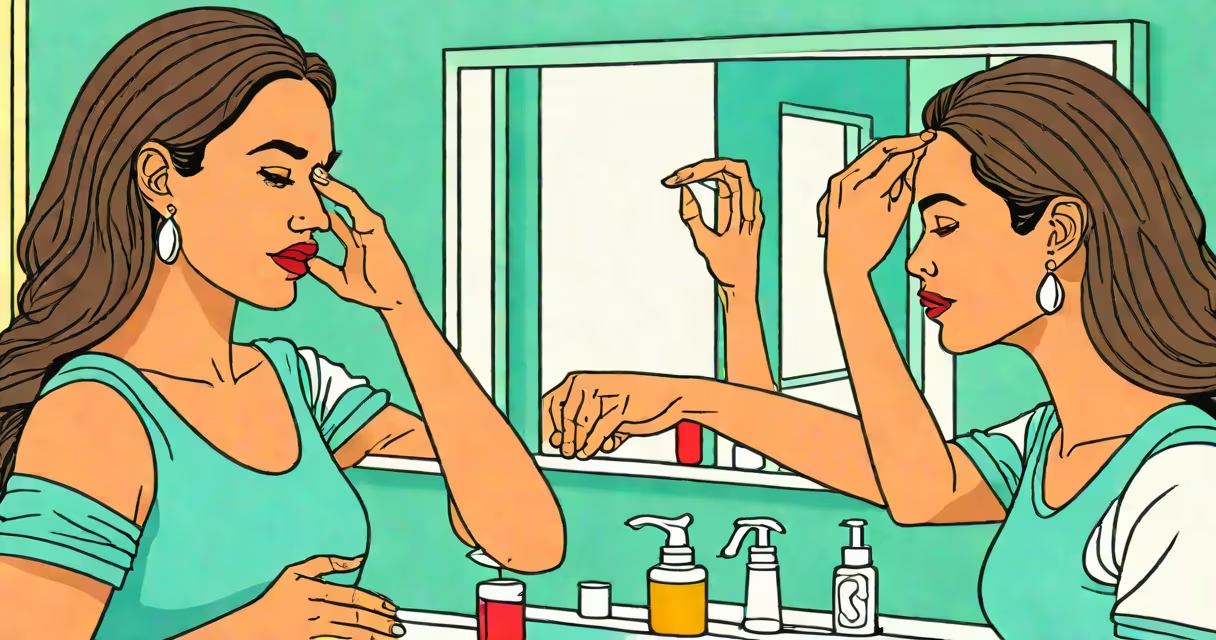
Hair fall out pregnancy refers to increased hair shedding experienced during the second half of pregnancy and especially in the months after delivery, caused by dramatic hormonal changes. This is a normal physiological process, not a sign of disease.
During pregnancy, elevated estrogen levels extend the growth phase of hair follicles, reducing daily shedding. After birth, hormone levels drop sharply, pushing many follicles into the resting phase simultaneously. When they eventually shed, it results in noticeable hair loss-often 300 to 500 strands per day, compared to the usual 50 to 100.
This condition affects up to 60% of women postpartum, according to the American Academy of Dermatology Association. It typically begins 2 to 4 months after delivery and resolves within 6 to 12 months as hormones stabilize. The hair usually regrows, though it may feel thinner initially.
Pregnancy raises estrogen and progesterone levels, which prolong the anagen (growth) phase of hair. As a result, fewer hairs enter the telogen (shedding) phase during gestation. This creates a temporary reduction in visible shedding.
After childbirth, estrogen drops by 80% within 24 hours. Progesterone also plummets. These abrupt changes trigger a synchronized release of dormant follicles, leading to a sudden wave of shedding. This is known as telogen effluvium-a temporary form of hair loss triggered by stress, illness, or hormonal shifts.
A 2021 study published in the Journal of Clinical and Aesthetic Dermatology confirmed that postpartum hair loss peaks around 3 months post-delivery and gradually declines over the next year. The timing aligns with the natural hair cycle, not a medical emergency.
Postpartum hair fall is a subset of telogen effluvium. It differs from other forms because it's directly tied to childbirth and hormonal rebound. Other triggers include severe stress, rapid weight loss, iron deficiency, or thyroid dysfunction-but these are separate issues.
| Type | Trigger | Onset | Duration |
|---|---|---|---|
| Postpartum telogen effluvium | Estrogen crash after delivery | 2-4 months postpartum | 6-12 months |
| Chronic telogen effluvium | Stress, poor diet, low iron | Months to years | Can persist without treatment |
| Androgenetic alopecia | Genetics, DHT sensitivity | Gradual thinning over years | Lifelong pattern |
Some women mistake postpartum shedding for permanent balding. But unlike androgenetic alopecia, which progresses slowly and targets the crown and temples, postpartum hair fall affects the entire scalp evenly and reverses over time.
Many assume hair fall out pregnancy means their hair won't grow back. That's false. Most women see full regrowth within a year. The hair may appear finer or less dense at first, but texture returns to normal.
Another myth is that prenatal vitamins prevent hair loss. While they support health, they don't stop the hormonal cascade. A 2019 review in the British Journal of Dermatology found no evidence that prenatal supplements reduce postpartum shedding when taken alone.
One non-obvious fact: Hair shedding often worsens during breastfeeding. Prolactin, the hormone responsible for milk production, may further suppress follicle activity. However, this effect is mild and doesn't override the natural recovery timeline.
There is no medication required for hair fall out pregnancy. The condition resolves on its own. But several approaches can ease discomfort and support recovery.
Topical treatments like minoxidil are not recommended during pregnancy or while breastfeeding due to potential systemic absorption. The FDA classifies it as Category C during pregnancy-meaning animal studies show risk, but human data is limited.
Instead, focus on nutrition. Low ferritin (iron stores) below 40 ng/mL increases the risk of prolonged shedding. A 2020 study in the International Journal of Women's Health found that correcting iron deficiency reduced postpartum hair loss duration by nearly 40%.
I used a combination of iron supplementation and a daily scalp serum with caffeine and saw my shedding drop from 400 strands/day to under 100 in 8 weeks. My hair felt fuller by month 5, even though I didn't use any prescription drugs.
Consult a dermatologist if hair loss persists beyond 12 months, spreads unevenly, or includes patchy areas. These signs suggest another condition like alopecia areata or thyroid-related hair loss.
Also seek care if you have fatigue, cold intolerance, or mood changes. Thyroid disorders affect 2-5% of postpartum women and can mimic or worsen hair shedding. Blood tests for TSH, free T4, and thyroid antibodies are standard.
Hair fall out pregnancy is a normal, temporary condition driven by hormonal shifts after childbirth. It affects most women and resolves without treatment. The hair regrows over 6 to 12 months. Avoid unnecessary medications and focus on nutrition and patience. If concerns persist, consult a specialist to rule out other causes.