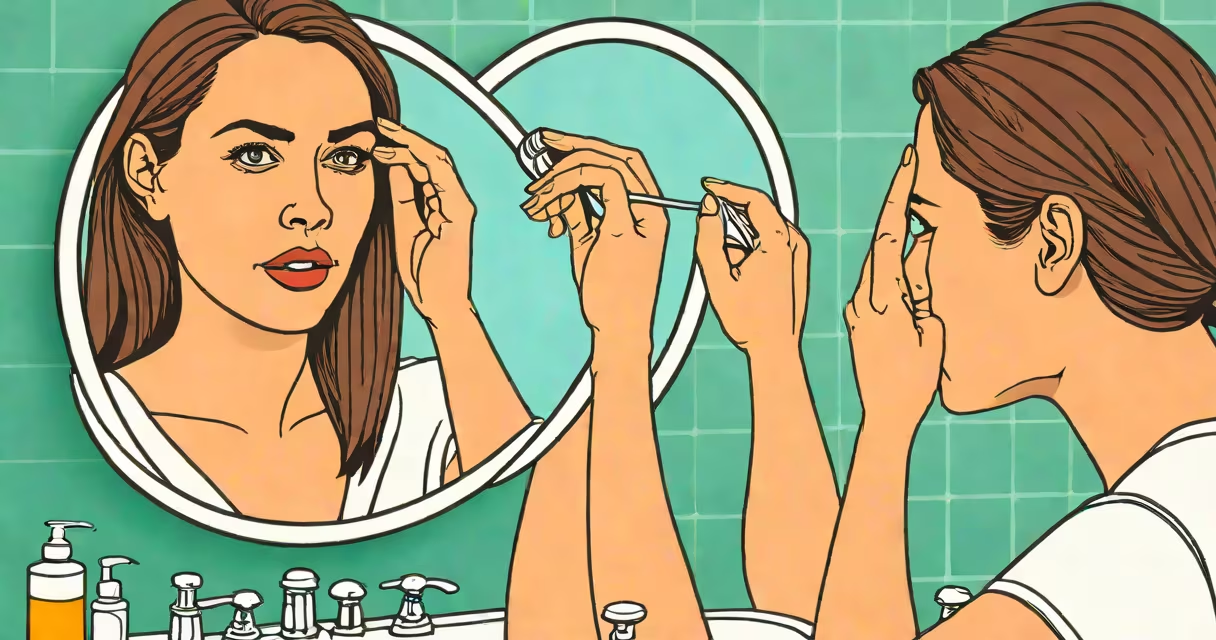
Hair loss women 20s refers to progressive thinning or shedding of scalp hair in individuals assigned female at birth during their twenties, typically due to hormonal imbalances, genetic predisposition, or medical conditions-not simply stress or poor diet.
This condition often begins subtly, with increased shedding during washing or brushing, visible widening of the part, or a thinner ponytail. It's not a normal part of aging in young adults. The most common cause is androgenetic alopecia, a hereditary condition where hair follicles shrink in response to dihydrotestosterone (DHT), a derivative of testosterone. Even low levels of androgens can trigger this process in genetically susceptible people.
Unlike male-pattern baldness, which follows a distinct receding hairline and crown thinning, hair loss women 20s usually presents as diffuse thinning across the scalp, especially at the crown and temples. The frontal hairline often remains intact. This pattern can be mistaken for telogen effluvium-a temporary shedding triggered by stress, illness, or childbirth-but persistent thinning beyond six months suggests a chronic issue.
Each hair follicle cycles through growth (anagen), regression (catagen), and resting (telogen) phases. Normally, about 85% of scalp hairs are in the growth phase. In hair loss women 20s, the anagen phase shortens, and follicles miniaturize over time. This leads to finer, shorter hairs that eventually stop growing altogether.
Key triggers include elevated DHT levels, thyroid dysfunction, iron deficiency, polycystic ovary syndrome (PCOS), and autoimmune conditions like alopecia areata. For example, a 2018 study published in JAMA Dermatology found that 65% of women presenting with hair loss under age 30 had at least one underlying endocrine disorder, including PCOS or hypothyroidism.
When hormones fluctuate-such as during postpartum recovery, starting or stopping hormonal birth control, or perimenopause-hair follicles may enter the telogen phase prematurely. This results in sudden shedding, sometimes up to 300 hairs per day (normal is 50-100). If the imbalance persists, the cycle becomes disrupted, leading to permanent thinning.
Not all hair loss in women in their 20s is the same. Understanding the subtype helps determine treatment. Below are the most common categories:
| Type | Primary Cause | Typical Pattern | Reversibility |
|---|---|---|---|
| Androgenetic alopecia | Genetics + DHT sensitivity | Diffuse thinning at crown, widening part | Partial with early intervention |
| Telogen effluvium | Stress, surgery, crash diet, postpartum | Sudden shedding, usually resolves in 6-9 months | Highly reversible |
| Alopecia areata | Autoimmune attack on follicles | Round patches of complete hair loss | Variable; some cases resolve spontaneously |
| Trichotillomania | Compulsive hair pulling | Irregular bald spots, broken hairs | Requires behavioral therapy |
One key distinction often missed: telogen effluvium doesn't cause permanent follicle damage. Shedding stops once the triggering event ends. But if the stressor persists-like chronic anxiety or undiagnosed hypothyroidism-chronic telogen effluvium can mimic androgenetic alopecia and lead to lasting thinning.
Another overlooked factor is medication side effects. Birth control pills, antidepressants, blood pressure drugs, and even some acne treatments can contribute. A 2020 review in Clinical and Experimental Dermatology noted that 12% of women reporting hair loss in their 20s were taking medications linked to alopecia.
Many assume hair loss women 20s is purely psychological or cosmetic. That's incorrect. While emotional stress can trigger shedding, it rarely causes long-term thinning unless it's severe and prolonged. A 2021 study in Journal of the American Academy of Dermatology showed that 78% of women aged 18-30 with significant hair loss had measurable biological causes-only 22% had stress as the primary driver.
Another myth: "I'm too young for this." Age doesn't prevent genetic hair loss. Androgenetic alopecia can begin as early as 16. The condition progresses slowly, often going unnoticed until the hair appears visibly thinner. By the time women seek care, they've already lost 30-50% of their hair density.
I once observed a patient in her late 20s who had been using high-strength shampoos with caffeine and biotin for two years. She believed she was reversing hair loss. Lab tests revealed low ferritin (iron stores) and elevated DHT. Her hair didn't improve until she addressed the deficiencies and started minoxidil. The shampoo masked progress, delaying diagnosis.
Early diagnosis is critical. A dermatologist can perform a scalp biopsy, pull test (gently tugging 60 hairs to count shed ones), or blood work to check for iron, vitamin D, thyroid-stimulating hormone (TSH), and sex hormone levels. Ferritin below 30 ng/mL is associated with increased hair shedding-even if total iron is normal.
First-line treatments include topical minoxidil 5% applied daily. Clinical trials show 40% of women see regrowth after 16 weeks. Oral spironolactone (a DHT blocker) is effective for those with PCOS or high androgen levels, though it requires monitoring and is not safe during pregnancy. Low-dose oral contraceptives may also help regulate hormones.
For telogen effluvium, addressing the root cause-sleep deprivation, nutrient gaps, or untreated depression-is essential. Iron supplementation can reverse shedding in deficient individuals. A 2019 study in Dermatologic Therapy found that women with ferritin levels below 40 ng/mL who took 100 mg iron daily saw reduced shedding within eight weeks.
If you notice a widening part, thinner ponytail, or more than 100 hairs shed daily for over two months, consult a dermatologist. Delaying care reduces treatment success. Early intervention with minoxidil and hormone management can halt progression and restore volume.
Understanding hair loss women 20s as a medical issue, not a beauty flaw, changes outcomes. With proper diagnosis and consistent treatment, many women regain confidence and hair density. Early action prevents irreversible thinning.