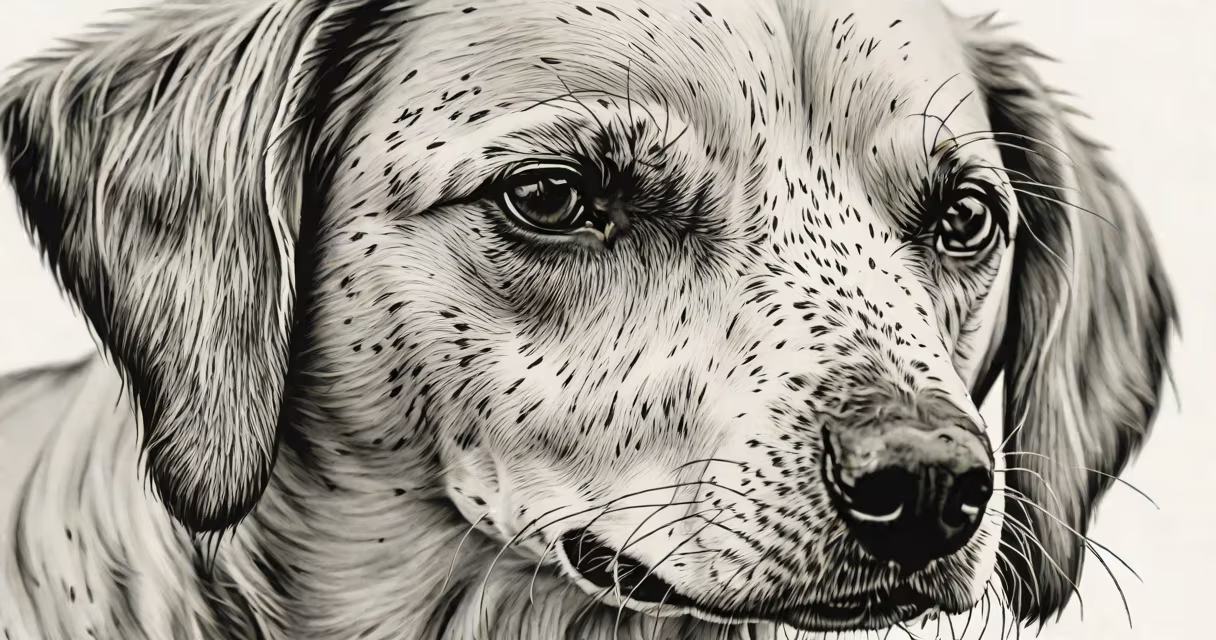
Hair loss and flaky skin in dogs refer to visible shedding of fur and the presence of dry, white flakes on the skin, often indicating an underlying medical condition such as allergies, parasitic infestation, hormonal imbalance, or fungal infection. These symptoms may appear suddenly or progress slowly over weeks, affecting localized areas or spreading across the entire body.
Dogs develop hair loss and flaky skin due to disruptions in the skin's barrier function and hair follicle cycling. The skin becomes inflamed, leading to increased cell turnover and desquamation-shedding of dead skin cells. This process results in dandruff and weakened hair shafts that break off or fall out entirely. Common triggers include environmental allergens, food sensitivities, mites, yeast overgrowth, and endocrine disorders like hypothyroidism or Cushing's disease.
A 2022 study published in Veterinary Dermatology found that 63% of dogs presenting with pruritus (itching) and alopecia had a primary diagnosis of allergic dermatitis, while 18% were diagnosed with parasitic infestations such as sarcoptic mange. These findings show that hair loss and flaky skin are not normal aging signs-they're red flags requiring veterinary evaluation.
The skin acts as a changing barrier between the dog's internal environment and external stimuli. When compromised, immune responses activate, releasing cytokines that increase inflammation and accelerate keratinocyte turnover-the process by which skin cells mature and shed. Excessive shedding leads to visible dandruff, while chronic irritation damages hair follicles, causing telogen effluvium (premature hair fall).
For example, a dog with flea allergy dermatitis may scratch relentlessly despite minimal flea presence. Flea saliva contains proteins that trigger intense allergic reactions. Even one bite can cause systemic inflammation, leading to hair thinning around the tail base and flaky skin along the back. The dog may appear healthy otherwise, but the damage is internal and progressive.
Another mechanism involves seborrhea oleosa-a condition where sebaceous glands overproduce oil. This creates a greasy, flaky coat, especially behind the ears and along the spine. Left untreated, secondary bacterial infections can worsen scaling and lead to painful hot spots. A 2021 review in Journal of Veterinary Internal Medicine noted that seborrheic conditions often coexist with immune-mediated diseases, making early diagnosis critical.
Not all cases of hair loss and flaky skin stem from the same root. Differentiating among causes ensures accurate treatment. Below are the most frequent categories:
| Type | Key Features | Common Triggers | Diagnostic Clues |
|---|---|---|---|
| Allergic dermatitis | Itching, redness, crusts; hair loss in armpits, groin, ears | Flea saliva, pollen, dust mites, food ingredients | Seasonal flare-ups; response to antihistamines or elimination diets |
| Parasitic infestation | Intense scratching, scabs, localized bald patches | Fleas, mites (sarcoptes, demodex) | Skin scrapings show mites; fleas may be absent but feces visible |
| Hormonal imbalance | Symmetrical hair loss, thin skin, darkened pigmentation | Hypothyroidism, Cushing's syndrome | Blood tests show abnormal hormone levels; occurs in middle-aged dogs |
| Fungal infection | Round patches of hair loss, crusting, mild odor | Malassezia yeast, ringworm (dermatophytes) | Wood's lamp may detect fluorescence; culture confirms species |
One non-obvious distinction: not all flaky skin is dandruff. True dandruff consists of large, visible flakes from dead epidermal cells. Smaller, greasy flakes suggest seborrhea. Misdiagnosing the type delays effective treatment. For instance, treating yeast overgrowth with antiparasitics fails because the causative agent is different.
Hair loss and flaky skin in dogs occur most frequently in breeds with dense coats, such as Shih Tzus, Poodles, and German Shepherds. Their thick fur traps allergens and moisture, increasing risk of skin infections. A 2020 survey by the American Kennel Club reported that 37% of owners of long-haired breeds noticed skin changes before seeking vet care-often mistaking them for seasonal shedding.
Environmental factors play a major role. Dry indoor air during winter months reduces skin hydration. A single home heater running continuously can drop humidity below 30%, accelerating epidermal dryness. In contrast, high humidity promotes fungal growth. A dog living in a damp basement may develop Malassezia overgrowth, leading to greasy, flaky skin and ear infections.
I once observed a 5-year-old Labrador with severe flank hair loss and dandruff. Initial treatment with shampoos failed. A skin scrape revealed Demodex mites. The owner assumed the dog was "just shedding more." Only after a biopsy confirmed generalized demodicosis did we start targeted therapy. The dog responded within six weeks-but the delay caused permanent scarring in two areas.
Many assume that hair loss and flaky skin are simply signs of poor grooming. But regular brushing and bathing don't prevent medical causes. Over-bathing with harsh shampoos strips natural oils, worsening dryness and flaking. The American Veterinary Medical Association warns against using human shampoos on dogs-these have pH levels incompatible with canine skin (pH 5.5-7.0 vs. human 4.5-5.5).
Another misconception: that all itching leads to hair loss. Some dogs scratch excessively without losing hair. Others lose hair rapidly with little to no itching. This variability underscores the need for diagnostic testing. A dog with hypothyroidism may show symmetrical alopecia and lethargy but no itchiness-making the condition easy to overlook.
Correcting this confusion requires objective assessment. Veterinarians use trichograms (microscopic examination of plucked hairs), skin biopsies, and blood panels to identify root causes. A single test cannot diagnose all conditions. For example, a negative flea test doesn't rule out flea allergy dermatitis-because the dog may have only one flea, or the parasite is hidden in bedding.
If your dog shows persistent hair loss or flaky skin, consult a veterinarian within two weeks. Early intervention prevents complications like secondary infections or irreversible follicular damage. Avoid over-the-counter remedies unless recommended by a vet.
Start with a clean, hypoallergenic shampoo formulated for dogs. Use it once weekly for four weeks. If flakes persist or worsen, stop and seek professional advice. A vet may prescribe medicated shampoos containing chlorhexidine or ketoconazole for yeast or bacterial control.
For suspected parasites, treatments like selamectin or fipronil are effective. However, resistance is rising-especially in fleas. The Centers for Disease Control and Prevention notes that 23% of urban flea populations in the U.S. show resistance to pyrethroids. Always confirm parasite type before choosing medication.
Some owners consider dietary supplements like omega-3 fatty acids or biotin. While these support skin health, they don't treat underlying disease. A 2023 clinical trial showed that omega-3 supplementation improved skin hydration in 58% of dogs-but only when combined with treatment for the primary condition.
Finally, avoid comparing your dog's skin to online images. Visual cues vary widely based on breed, coat color, and lighting. A yellowish flake on a black dog may look like dirt, but it's likely seborrheic debris. Accurate diagnosis requires context, not just appearance.
Hair loss and flaky skin in dogs are not minor issues. They reflect deeper physiological disturbances that require timely, evidence-based care. Ignoring them risks chronic pain, secondary infections, and reduced quality of life. Addressing the root cause-whether allergy, parasite, hormone imbalance, or infection-leads to recovery and long-term skin health.
Understanding the difference between normal shedding and pathological hair loss is key. Normal shedding occurs seasonally and evenly. Pathological loss is patchy, asymmetric, and accompanied by other signs like redness, odor, or behavioral changes. Recognizing these differences enables faster action.
When in doubt, consult a board-certified veterinary dermatologist. These specialists use advanced tools like dermoscopy and PCR testing to identify pathogens. They also design individualized treatment plans based on genetics, lifestyle, and comorbidities. Early referral improves outcomes.
Hair loss and flaky skin in dogs are warning signs-not cosmetic flaws. They demand attention, not dismissal. With proper diagnosis and treatment, most dogs regain healthy coats and clear skin within weeks to months.