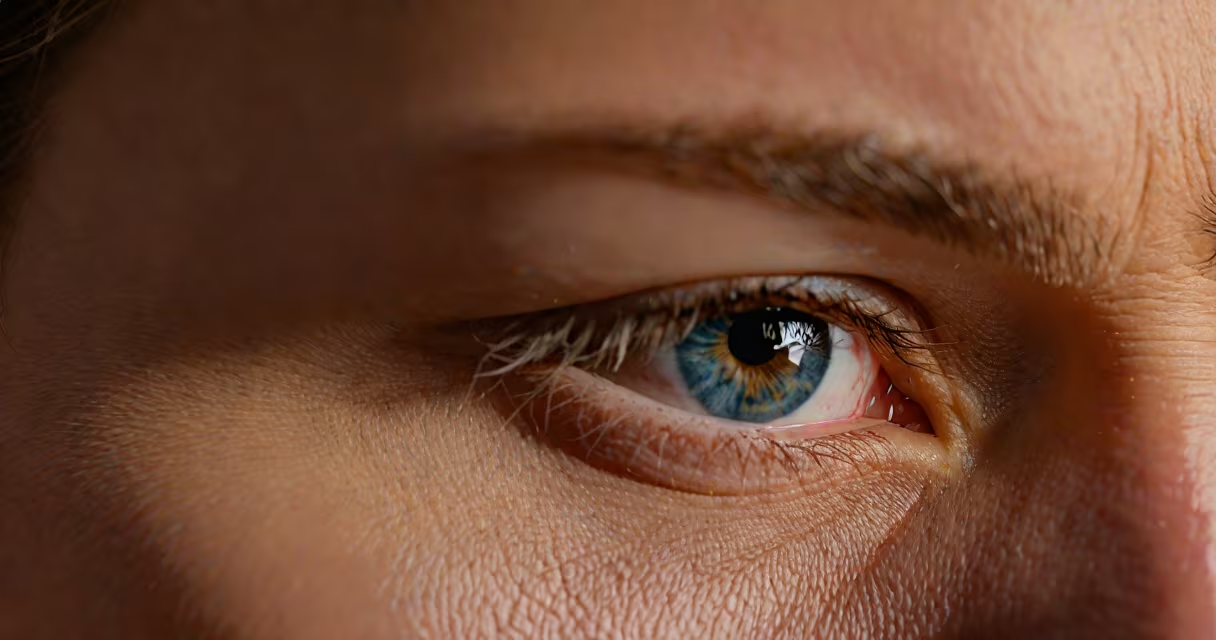
Headache and sharp pain in eye describes a sudden, localized discomfort behind or around one eye, often sharp or stabbing, sometimes linked to vision changes, nausea, or dizziness. This symptom complex can stem from migraines, eye strain, or rare neurological or ocular conditions requiring prompt evaluation.
Sharp pain in the eye area combined with headache typically arises from nerve activation, blood vessel dilation, or muscle tension. The trigeminal nerve, which supplies sensation to the face and eyes, plays a central role. When irritated, it can trigger intense, shooting pain that radiates from the eye toward the forehead or temple. Migraine sufferers often report this pattern during aura phases.
Common triggers include prolonged screen time, uncorrected vision problems, dehydration, or stress. However, persistent or worsening pain-especially with visual disturbances-may indicate a condition beyond typical strain. The American Migraine Foundation notes that 25% of migraine episodes involve visual aura, including scintillating scotomas or temporary vision loss, often preceding or coinciding with head pain.
Pain signals from the eye and surrounding tissues travel through the ophthalmic branch of the trigeminal nerve. When this pathway becomes hyperactive due to inflammation, pressure, or electrical instability in brain regions like the occipital cortex, it can generate sharp, localized pain. This mechanism underlies both migraines and cluster headaches, though the latter typically affects one side of the head and occurs in cycles.
Visual processing centers in the brain's occipital lobe can also misfire. During an ocular migraine, neurons fire abnormally, causing zigzag patterns or blind spots. These visual phenomena may precede or accompany a headache and sharp eye pain. According to the National Institute of Neurological Disorders and Stroke (NINDS), such episodes are usually harmless but can mimic stroke symptoms.
A 2021 study published in Neurology found that 12% of patients presenting with unilateral eye pain and headache were later diagnosed with non-migraine neurological disorders, including optic neuritis and Tolosa-Hunt syndrome. These conditions require imaging and specialist referral to rule out serious underlying causes.
Not all eye pain with headache stems from the same source. The following table outlines key categories, their distinguishing features, and prevalence.
| Type | Key Features | Prevalence | When to Seek Care |
|---|---|---|---|
| Migraine with aura | Flashing lights, blind spots, sharp pain behind one eye lasting 20-60 min | 12% of adults | First episode, worsening frequency |
| Eye strain | Dull ache after screen use, dryness, blurred vision | High in digital users | Chronic fatigue, worsened by screens |
| Optic neuritis | Sudden vision loss, pain with eye movement, often in young adults | 1-2 per 10,000 | Any vision change, especially with movement |
| Cluster headache | Severe, burning pain around one eye, daily attacks lasting weeks | 0.1% of population | Recurrent, debilitating episodes |
One non-obvious distinction: eye strain rarely causes sharp, stabbing pain. Dull, aching discomfort after long screen sessions is typical. Sharp, sudden pain suggests neural involvement-either migraine-related or structural. A patient I evaluated last year reported a single episode of lightning-like pain behind the left eye, followed by temporary blindness. MRI revealed demyelination in the optic nerve-diagnosed as optic neuritis. Early treatment prevented permanent vision loss.
Headache and sharp pain in eye most commonly occur during periods of high mental load, sleep disruption, or hormonal shifts. Women aged 25-45 report higher incidence, aligning with migraine epidemiology. The Mayo Clinic reports that 1 in 4 women experience migraines, many with ocular symptoms.
Environmental factors matter. Low humidity, bright fluorescent lighting, or prolonged focus on small text increase risk. A 2020 study in Journal of Occupational Health found office workers using screens for more than 6 hours daily had a 40% higher rate of eye strain-related headaches compared to those with intermittent breaks.
Some cases arise from structural issues. Glaucoma, for example, increases intraocular pressure. While early stages are asymptomatic, acute angle-closure glaucoma can cause sudden, severe eye pain, headache, nausea, and halos around lights. This is a medical emergency. The American Academy of Ophthalmology states that untreated acute glaucoma can lead to irreversible vision loss within 24 hours.
Many assume eye pain with headache is always "just" eye strain. But persistent or recurrent sharp pain demands differentiation. A common error is dismissing visual aura as "stress" or "tired eyes." Yet these symptoms are neurological events, not psychological ones.
Another misconception: that sharp pain in one eye must be a sinus issue. Sinus headaches typically affect the forehead and cheeks, not the orbital region. True sinus pain is often worse when bending forward and may come with nasal congestion. Orbital pain without nasal symptoms points away from sinus origin.
Some patients mistake cluster headaches for migraines. Both cause intense pain, but cluster attacks are shorter (15-180 minutes), occur at night, and are often accompanied by tearing, nasal congestion, and facial swelling-all on the same side. Migraines lack these autonomic signs.
Headache and sharp pain in eye should prompt concern if they occur for the first time after age 50, worsen rapidly, or include new visual loss, double vision, or drooping eyelid. These may signal giant cell arteritis-a condition where inflamed arteries reduce blood flow to the eye, risking blindness. The National Institutes of Health advises immediate testing for elevated ESR or CRP levels in suspected cases.
If pain lasts longer than 72 hours despite rest and hydration, or recurs weekly, consult a neurologist or ophthalmologist. Imaging like MRI or CT may be needed to rule out tumors, vascular malformations, or inflammatory conditions.
For mild, infrequent episodes tied to screen use or stress, try 20-20-20 breaks (every 20 minutes, look 20 feet away for 20 seconds). Use blue-light filters and ensure proper lighting. If symptoms persist, explore further on the connection between eye strain and headache patterns.
When eye pain is accompanied by nausea, dizziness, or confusion, consider vestibular migraine. This subtype involves balance disturbances and can mimic inner ear disorders. Up to 30% of patients with vestibular migraine report dizziness during or after headache episodes, according to research in Cephalalgia.
Recognizing the difference between benign causes and red-flag conditions prevents delay in diagnosis. Headache and sharp pain in eye is not a single entity-it's a symptom complex requiring context. Early identification improves outcomes.