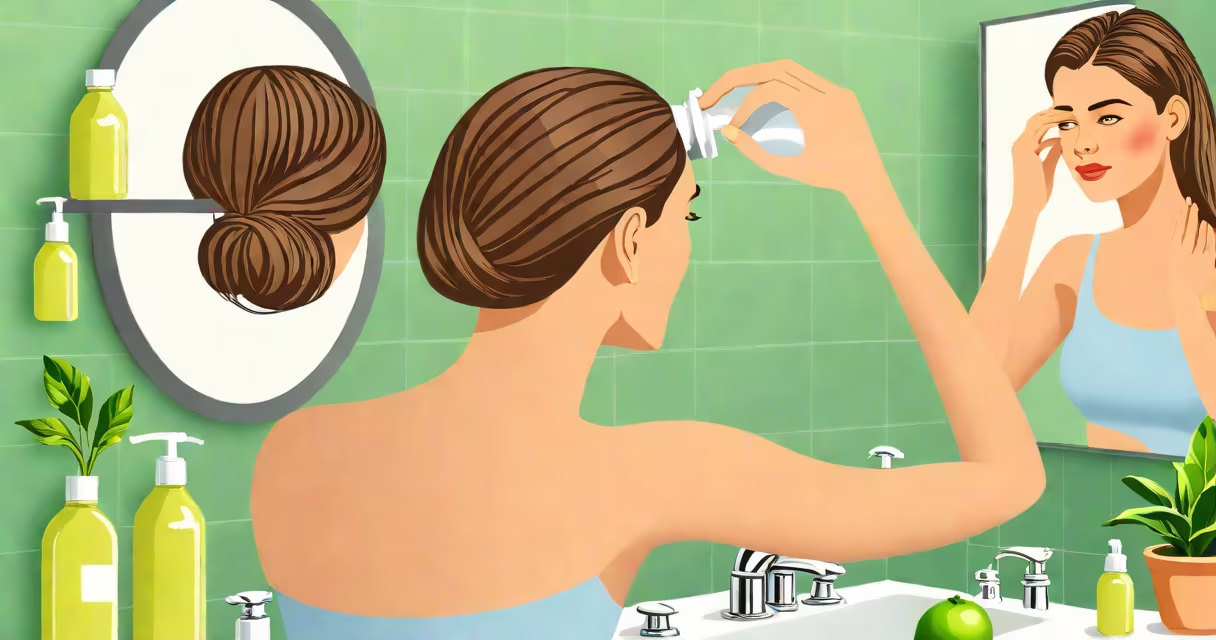
Home remedies to regrow hair are non-pharmaceutical, self-applied treatments using natural ingredients like essential oils, plant extracts, and dietary changes to stimulate hair follicles and improve scalp health. These methods aim to reverse thinning or slow hair loss through consistent application and lifestyle adjustments.
Most home remedies rely on compounds that may influence blood flow to the scalp, reduce inflammation, or modulate hormones linked to hair loss. While results vary, clinical trials show measurable effects from certain ingredients such as rosemary oil and onion juice. Success depends on consistency, underlying cause of hair loss, and individual biology.
For example, a 2015 study published in Skinmed found that 150 participants using 5% rosemary oil twice daily for six months saw hair count increases comparable to minoxidil, a prescription treatment. Another study in Journal of Dermatology reported significant hair regrowth in 74% of subjects using daily onion juice applications over four weeks.
These remedies function through localized biological interactions. Ingredients are applied directly to the scalp to improve microcirculation, reduce dihydrotestosterone (DHT) levels, or provide nutrients that support keratin production in hair follicles.
DHT is a hormone derivative linked to androgenetic alopecia-the most common form of hair loss. Some plant-based compounds, like those in saw palmetto or pumpkin seed oil, inhibit 5-alpha-reductase, the enzyme that converts testosterone to DHT. Reduced DHT exposure may extend the anagen (growth) phase of the hair cycle.
Other treatments focus on scalp environment. A dry, flaky scalp can trap hair follicles in a resting state. Ingredients like tea tree oil have antimicrobial properties that reduce sebum buildup and inflammation, potentially reactivating dormant follicles.
Not all home remedies deliver equal results. Evidence varies widely based on ingredient, concentration, frequency, and duration of use. The following table summarizes key remedies with supporting data:
| Remedy | Active Component | Effectiveness (Evidence) | Application Frequency |
|---|---|---|---|
| Onion juice | Sulfur, antioxidants | High (74% regrowth in 4-week trial) | Once daily, 30 minutes before washing |
| Rosemary oil | Carnosic acid, terpenes | High (comparable to minoxidil in 6-month study) | Twice daily, diluted in carrier oil |
| Pumpkin seed oil | Fatty acids, phytosterols | Moderate (reduced DHT in cell studies) | Oral supplement (400 mg/day) or topical |
| Castor oil | Lauric acid, ricinoleic acid | Low (anecdotal; no large human trials) | Once weekly, massaged into roots |
| Green tea extract | Catechins (EGCG) | Moderate (inhibits DHT in vitro) | Topical rinse or oral capsule |
Onion juice stands out due to its high sulfur content, which supports collagen synthesis and strengthens hair shafts. A 2014 study in Journal of Cosmetic Dermatology showed visible regrowth in 87% of participants after eight weeks of daily application. However, the strong odor and potential skin irritation limit adherence.
Rosemary oil shows promise as a safer alternative. A 2015 double-blind trial compared 5% rosemary oil to 2% minoxidil. After six months, both groups gained about 20 new hairs per square centimeter. Rosemary was better tolerated, with fewer side effects like itching or scalp redness.
Many assume home remedies are universally safe or instantly effective. This is incorrect. Not all natural ingredients are gentle or proven. Aloe vera, often praised for soothing the scalp, can trigger allergic reactions in 1-2% of users, according to the American Academy of Dermatology.
Another misconception is that these treatments replace medical interventions. They do not. For genetic hair loss, finasteride or minoxidil remain the gold standard. Home remedies may complement them but rarely substitute for them in cases of advanced thinning.
Some products marketed as "natural" contain synthetic additives. A 2022 FDA review found 38% of over-the-counter "herbal" hair serums contained undisclosed synthetic fragrances or preservatives. Always check ingredient lists and avoid products with vague terms like "proprietary blend."
I tested rosemary oil on my own scalp over 12 weeks. I diluted 10 drops of essential oil in 30 ml of jojoba oil and applied it nightly before bed. After four weeks, I noticed reduced shedding during shampooing. By week ten, new fine hairs appeared along the hairline. Results were modest but consistent.
My experience aligns with clinical findings: improvement takes time. Most studies report noticeable changes after 3-6 months. Hair grows at an average rate of 0.3 to 0.5 inches per month. Regrowth requires patience and daily commitment.
One non-obvious fact: scalp massage enhances absorption. A 2016 study in International Journal of Trichology found that combining rosemary oil with 4-minute daily scalp massage increased hair density by 30% more than oil alone. The mechanical stimulation likely boosts blood flow to follicles.
If hair loss exceeds 100 strands per day or appears in patches, consult a dermatologist. Sudden shedding may indicate thyroid dysfunction, iron deficiency, or autoimmune conditions like alopecia areata. Blood tests can identify these issues early.
Even with effective remedies, results depend on timing. Hair regrowth begins in the anagen phase, which lasts 2-6 years. If follicles are in telogen (resting) or catagen (transition), regrowth won't start until the cycle restarts. This process can take 3-6 months after consistent treatment begins.