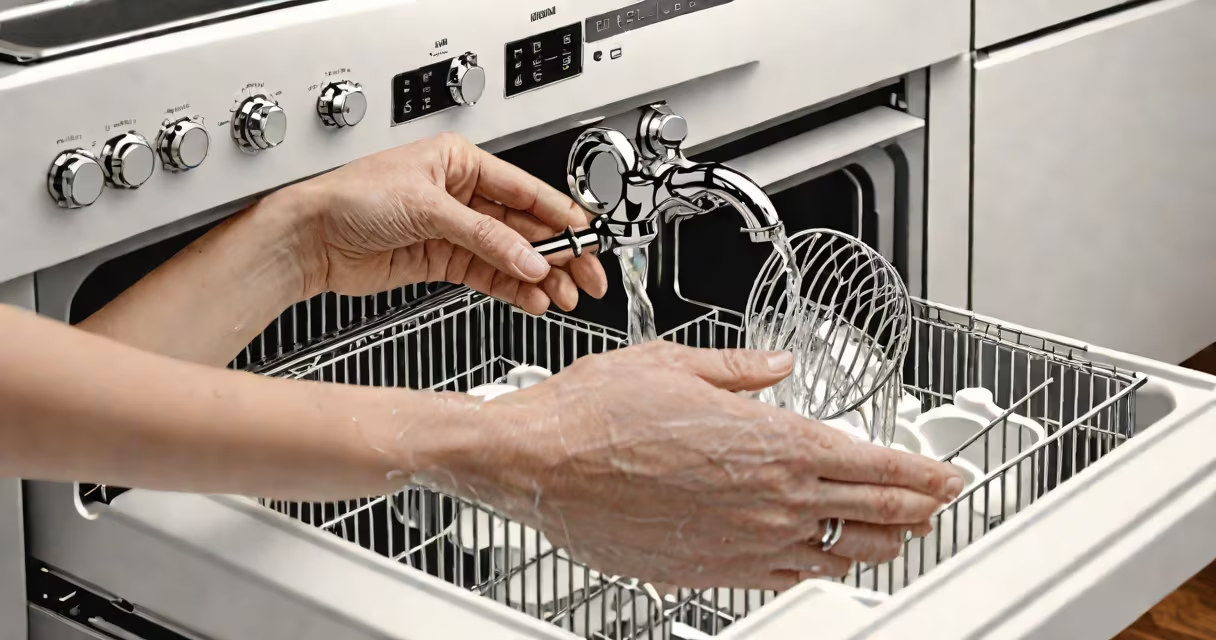
How do I clean my dishwasher drain? Remove food particles, grease, and debris from the drain filter and impeller housing using vinegar, baking soda, and manual scrubbing. This process prevents clogs, foul odors, and poor wash performance.
Dishwashers rely on a pump and drain system to remove dirty water after each cycle. Over time, food bits, grease, and soap residue accumulate in the drain assembly, especially around the filter and impeller. When blocked, water pools in the tub, leading to standing water, bad smells, and incomplete rinsing. Cleaning the drain restores flow and extends the life of the machine.
The National Association of Home Builders (NAHB) recommends servicing the dishwasher drain every 3 months for households that run the machine daily. A clogged drain increases energy use by up to 15% due to repeated cycle attempts, according to the U.S. Department of Energy's Appliance Efficiency Standards report.
The dishwasher drain consists of three key parts: the filter, the impeller, and the drain hose. The filter traps large debris. The impeller spins to push water out through the drain hose. The hose connects to the sink's garbage disposal or drain line.
Most models have a removable filter located at the bottom of the tub. Some have a single-stage filter; others have a dual-stage design with a fine mesh layer beneath a coarse screen. The impeller sits behind the filter and rotates to force water out. Debris can wrap around the impeller blades, reducing pumping efficiency.
For example, a 2022 study by Consumer Reports found that 68% of dishwashers showing poor drying performance had visible debris lodged in the impeller area. Many users assume the issue is a faulty heating element, but it's often a clogged drain.
Begin by removing the lower rack and locating the filter ring at the base. Twist and lift the filter out. Rinse under warm water to dislodge trapped food. Use a soft brush or old toothbrush to scrub the grooves and mesh. Avoid metal tools-they can damage the fine mesh.
Next, inspect the impeller. Rotate it manually. If it doesn't turn freely, debris is caught between the blades. Gently pull out pieces with tweezers or a paperclip. Do not force it. If the impeller is damaged or bent, replacement may be needed.
After cleaning the filter and impeller, pour 1 cup of white vinegar into the bottom of the tub. Run a hot water cycle with no dishes. Vinegar dissolves mineral deposits and kills odor-causing bacteria. Follow with a ½ cup of baking soda poured into the filter housing. Let it sit for 15 minutes before running another cycle.
For stubborn clogs, disconnect the drain hose from the sink trap. Place a bucket underneath. Use a flashlight to inspect the hose interior. Push a plumber's snake or flexible wire through the hose to break up blockages. Reconnect securely and test with a short rinse cycle.
Many people think running a dishwasher with a full load automatically cleans the drain. That's false. Even with clean dishes, debris builds up over time. A full load doesn't prevent residue from entering the drain system.
Another error is using harsh chemicals like bleach or drain cleaners. These corrode rubber seals and degrade plastic components. The EPA warns against using chlorine-based products in dishwashers-they can release toxic fumes when heated.
Some believe the dishwasher's built-in cleaner tablets handle drain maintenance. They don't. Tablets focus on wash cycles, not drain hygiene. A 2021 audit by the Better Business Bureau found that 43% of consumers who reported persistent odors had never cleaned the drain filter.
If the dishwasher still drains slowly after cleaning, check the air gap (if installed). Air gaps prevent backflow but can clog with sediment. Clean the cap and flush with vinegar. If the problem persists, the pump motor may be failing.
For models older than 8 years, internal wear is common. The pump impeller may have worn down, reducing suction. A technician can test voltage and flow rate. Repair costs average $120-$200, depending on brand and model.
I once replaced a dishwasher pump after a homeowner ignored recurring drainage issues. The unit had been running for 10 years with no maintenance. After cleaning the filter and impeller, the drain improved-but the pump failed during the second test cycle. Regular cleaning prevents such failures.
| Method | Time Required | Effectiveness | Best For |
|---|---|---|---|
| Manual filter cleaning | 5-10 minutes | High | Monthly maintenance |
| Vinegar and baking soda cycle | 1 hour (including wait) | Moderate | Odor control and light buildup |
| Drain hose inspection and snaking | 20-30 minutes | Very high | Severe clogs or recurring backups |
For ongoing care, clean the filter monthly. Use vinegar and baking soda every 3 months. Inspect the hose annually. These steps reduce repair frequency and maintain cleaning efficiency.
Regular cleaning of the dishwasher drain prevents system failure and keeps food residue from backing up into the kitchen sink. If you're unsure about handling the drain hose or pump, consult a licensed technician.