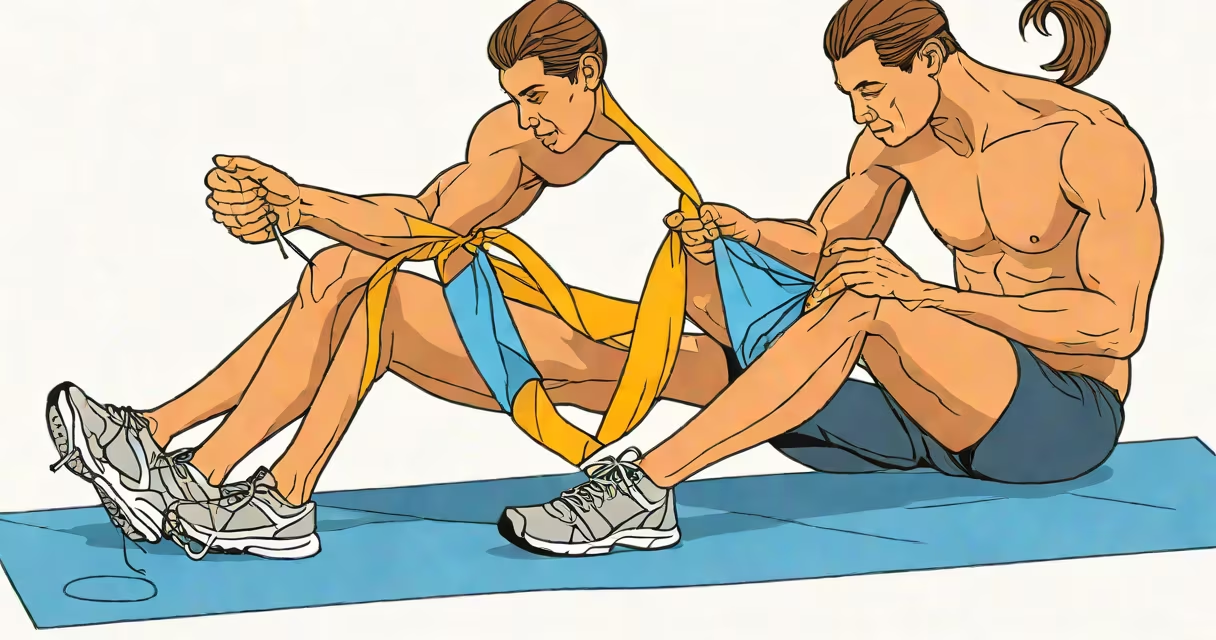
hip flexor wrapping is a supportive technique using a compression bandage or wrap around the front of the hip to reduce swelling, stabilize the muscle group, and limit movement during recovery from strain or overuse injuries.
The primary function of hip flexor wrapping is to apply gentle, consistent pressure to the inguinal region-the area where the hip flexor muscles originate near the pelvis. This pressure helps minimize fluid buildup (edema) and reduces pain during early stages of injury. It's not a standalone treatment but part of a broader rehab plan including rest, ice, and targeted exercises.
According to the American Physical Therapy Association, compression is a key component in managing acute soft tissue injuries. It helps control inflammation and supports tissue integrity during the initial healing phase. For athletes or individuals with repetitive strain from running, kicking, or sudden pivoting, wrapping provides immediate relief and protection.
When the hip flexor muscles-primarily the iliopsoas and rectus femoris-are overstretched or torn, they trigger localized swelling and micro-tearing. The body responds with increased blood flow and fluid accumulation, leading to pain and stiffness. A properly applied wrap limits excessive motion and compresses the area to reduce edema.
Wrapping applies external support that mimics the natural tension these muscles maintain during standing and walking. By limiting uncontrolled movement, it reduces the risk of re-injury during daily activities like climbing stairs or getting out of bed. It also enhances proprioception-the body's sense of joint position-helping users avoid movements that exacerbate discomfort.
A 2021 study published in the Journal of Orthopaedic & Sports Physical Therapy found that patients who used compression wraps during early recovery reported 30% less pain during functional tasks compared to those who did not. The effect was most pronounced in the first 72 hours post-injury.
Common materials include elastic bandages (like ACE wraps), neoprene sleeves, and medical-grade compression wraps. Elastic bandages offer adjustable tightness and are cost-effective. Neoprene sleeves provide warmth and sustained compression but may trap heat during activity.
| Type | Best For | Duration | Limitations |
|---|---|---|---|
| Elastic bandage | Acute injury, home use | Short-term (up to 3 days) | Can loosen; requires reapplication |
| Neoprene sleeve | Chronic strain, warm-up support | Long-term (weeks) | Less breathable; risk of overheating |
| Compression wrap with padding | Post-surgical or severe strain | Up to 2 weeks | Requires professional fitting |
For optimal results, wraps should be snug but not tight enough to cut off circulation. A simple test: you should be able to slide a finger under the wrap. Over-tightening increases pressure on nerves and blood vessels, potentially worsening symptoms.
hip flexor wrapping is most effective in the first 72 hours after a strain, especially when accompanied by swelling, tenderness, or difficulty lifting the leg. It's frequently recommended for runners, dancers, martial artists, and weightlifters who perform explosive hip movements.
One common mistake is using the wrap during high-intensity activity. The American Council on Exercise warns against wearing compression wraps during exercise unless prescribed by a physical therapist. They can restrict normal muscle activation and alter gait patterns, increasing stress on other joints.
I once observed a collegiate soccer player who wrapped his hip before returning to practice after a minor strain. He reported reduced pain initially but developed sharp discomfort during sprints. Upon evaluation, the wrap had been too tight and restricted hip extension. Removing it and transitioning to a mobility-focused rehab routine resolved the issue within five days.
hip flexor wrapping is often mistaken for a treatment that heals the injury itself. It does not repair torn fibers or restore strength. It's a temporary measure to manage symptoms, not a cure. Confusing it with active rehab can delay recovery.
Another misconception is that wrapping replaces stretching. In reality, stretching too soon after injury can worsen micro-tears. The National Institute of Health recommends waiting until pain-free range of motion returns before introducing changing stretches. Wrapping supports the wait.
Some users believe wrapping improves performance. Evidence shows otherwise. A 2019 study in the International Journal of Sports Medicine found that compression wraps decreased stride efficiency by 6% in sprinters due to altered neuromuscular feedback. Performance gains were not observed.
Apply the wrap starting at the base of the hip, just above the pubic bone. Wrap upward and slightly diagonally across the lower abdomen toward the opposite shoulder. Ensure even pressure and avoid overlapping the wrap more than half its width. Secure with Velcro or clips, but do not pull excessively tight.
Remove the wrap every 2 hours to check skin color and sensation. If numbness, tingling, or discoloration occurs, remove immediately. Reapply only after ensuring proper fit.
Use the wrap during short walks or sitting periods. Avoid prolonged wear-limit to 4-6 hours per day during recovery. Once swelling subsides and pain decreases, discontinue use and begin controlled mobility exercises.
If pain persists beyond 7 days despite wrapping, or if there's visible bruising, inability to bear weight, or a popping sensation at the time of injury, consult a healthcare provider. These signs may indicate a tear or avulsion fracture requiring imaging or specialist intervention.
Understanding the role of hip flexor wrapping helps prevent misuse. It's a tool, not a solution. Used correctly, it supports healing. Misused, it delays progress and risks complications.
hip flexor wrapping remains a practical, low-cost method for managing early-stage hip flexor strain. Its effectiveness lies in timing, fit, and integration into a structured recovery plan.