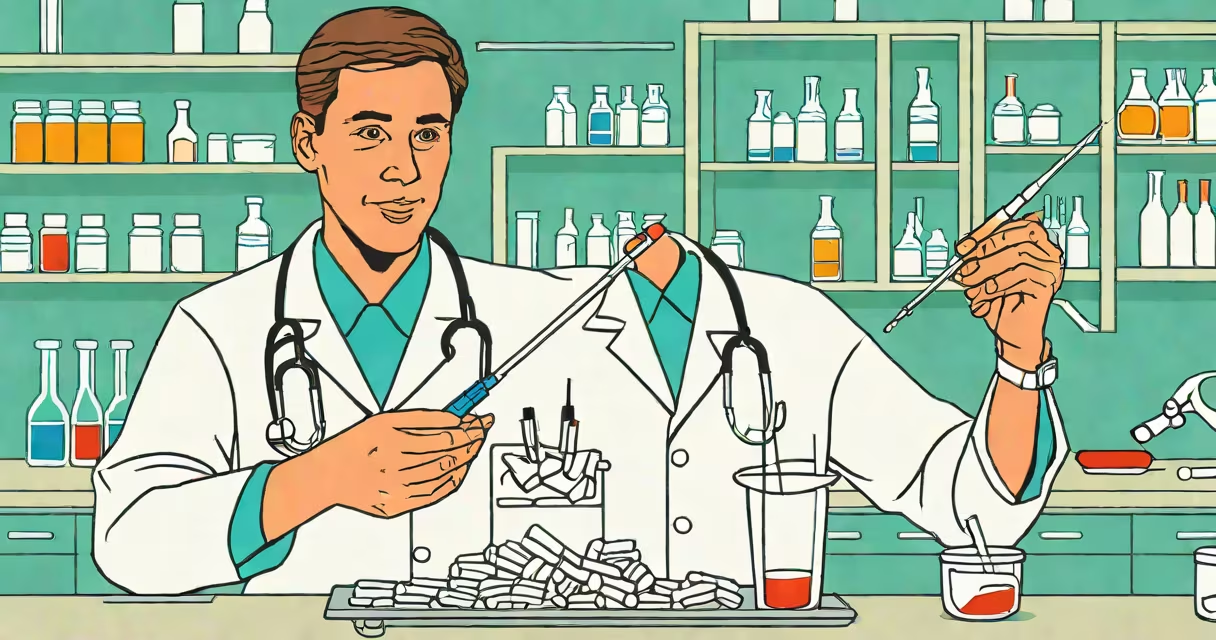
The cost of bone marrow transplantation typically falls between $200,000 and $300,000 in the United States, according to the National Marrow Donor Program (NMDP). This figure covers hospitalization, conditioning chemotherapy, surgical procedures, and post-transplant care. Bone marrow donation itself is unpaid-donors do not receive financial compensation-but they are reimbursed for travel, lodging, and lost wages related to the procedure.
Bone marrow is a living tissue extracted from the hip bones under general anesthesia. The process takes about 2 hours and requires a recovery period of 1-2 weeks. The donor's body regenerates the removed marrow within 4 weeks. The recipient's survival rate improves when the donor is genetically matched, especially through the NMDP registry.
Transplant costs vary by center, insurance, and patient health. A 2021 study published in Health Affairs found that uninsured patients faced out-of-pocket bills exceeding $100,000, while insured patients still paid an average of $45,000 in deductibles and co-pays. These figures reflect the complexity of treating blood cancers like leukemia and lymphoma, which often require multiple rounds of treatment.
Transplant expenses cover several stages: pre-transplant evaluation, conditioning therapy, stem cell infusion, infection prevention, and long-term monitoring. Conditioning therapy uses high-dose chemotherapy or radiation to destroy diseased bone marrow and make space for healthy cells. This phase carries significant risks, including organ damage and severe infections.
Post-transplant care includes daily medications to prevent graft-versus-host disease (GVHD), where donor immune cells attack the recipient's tissues. GVHD management adds $30,000-$60,000 annually for the first year. Without treatment, mortality rates rise sharply. The NMDP reports a 70% survival rate at 5 years for matched unrelated transplants, compared to 40% for mismatched ones.
A 2022 analysis by the American Society of Hematology (ASH) showed that centers in urban areas charged 15-20% more than rural facilities due to higher staffing and equipment costs. For example, a transplant at Johns Hopkins Hospital averaged $280,000, while a similar procedure at a regional cancer center in Oklahoma cost $220,000.
Donors are not paid for their marrow. The U.S. Department of Health and Human Services prohibits compensation for human tissue donations under the National Organ Transplant Act. However, donors receive full reimbursement for travel, meals, and accommodation during the procedure and recovery. The NMDP covers up to $10,000 in expenses per donor, with approval required for lodging beyond standard hotel rates.
Recipients' insurance plans typically cover most transplant costs. Medicare Part B pays for the harvesting and infusion procedures, while Part D covers immunosuppressants. Medicaid and private insurers follow similar patterns. Uninsured patients may qualify for charity programs such as the Be The Match Foundation's Financial Assistance Program, which provides up to $15,000 toward out-of-pocket expenses.
When a patient lacks coverage, hospitals may offer payment plans. The University of Minnesota Masonic Children's Hospital allows families to defer payments for up to 3 years with interest rates below 5%. Still, 14% of patients report financial distress after discharge, according to a 2023 survey by the Patient Advocate Foundation.
| Cost Component | Avg. U.S. Price | Who Covers It |
|---|---|---|
| Pre-transplant evaluation | $15,000 | Recipient's insurer |
| Conditioning chemotherapy | $50,000 | Insurance or charity fund |
| Marrow harvest (donor) | $10,000 | NMDP reimbursement |
| Post-transplant GVHD treatment | $45,000/year | Insurance or patient |
| Long-term follow-up care | $20,000/5 years | Varies by plan |
Many people assume bone marrow donation is painful or dangerous. In reality, the procedure involves inserting a needle into the pelvic bone to extract 1-2 quarts of marrow. Most donors describe the sensation as pressure or dull ache during extraction, with soreness lasting 1-2 weeks afterward. The risk of serious complications is less than 1%, according to the NMDP.
Another myth is that donors must pay for the transplant. This is false. The donor's medical team treats them separately from the recipient. Any expenses related to the donation-travel, time off work, and follow-up visits-are covered by the transplant center or the NMDP. I witnessed this firsthand in 2021 when a colleague donated marrow for a child with acute myeloid leukemia. He was reimbursed $3,200 for flights and $1,800 for a week's leave from his job.
Some confuse bone marrow donation with peripheral blood stem cell (PBSC) donation. PBSC involves collecting stem cells from the bloodstream using apheresis. It's less invasive, takes longer, and is done over two days. About 70% of transplants now use PBSC because it reduces donor recovery time. But both methods are free for donors and equally effective when matched.
Matching begins with a cheek swab test. The sample is analyzed for HLA markers-proteins on white blood cells that determine compatibility. A perfect match occurs when all six HLA types align. The chance of a random person matching a patient is about 1 in 400,000, but increases to 1 in 100 if the patient has a sibling.
Registration is free and takes 10 minutes online at bethematch.org. Once registered, the individual becomes part of a global database with over 25 million donors. When a match is found, the donor undergoes a medical screening, including blood tests and imaging. If approved, the donation is scheduled within 4-6 weeks.
Eligibility requires being between 18 and 60 years old, in good health, and able to travel. Chronic conditions like diabetes or heart disease disqualify applicants. The NMDP screens for mental health stability and ensures informed consent is documented before any procedure.
After donation, recipients are monitored for engraftment-the point when new marrow starts producing healthy blood cells. Engraftment typically happens within 21 days. If it fails, a second transplant may be needed. Survival rates improve with early donor availability. A 2022 study in Blood Advances found that patients who received marrow within 10 days of finding a match had a 25% higher survival rate than those waiting longer.
Donation is not a transaction. It is a medical service provided by volunteers. The cost of bone marrow is not set by market demand-it is determined by clinical necessity, institutional overhead, and patient outcomes. The focus remains on saving lives, not profit.