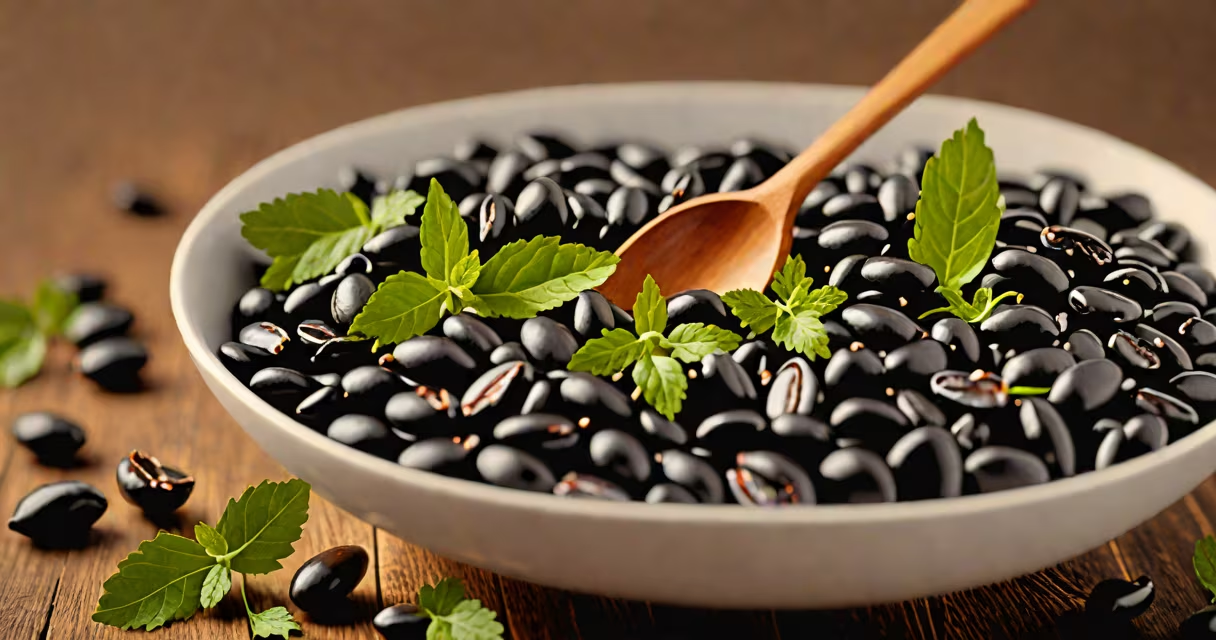
Gas after eating beans results from undigested oligosaccharides fermenting in the large intestine, producing hydrogen and methane. This process causes bloating, cramping, and flatulence. The key to avoiding discomfort lies in preparing beans properly and adjusting eating habits.
Beans contain raffinose and stachyose-complex sugars that human enzymes cannot break down. When these reach the colon, gut bacteria ferment them, releasing gas. Not everyone experiences symptoms equally; sensitivity varies based on gut microbiome composition and eating frequency.
A 2021 study published in Frontiers in Nutrition found that individuals who regularly consume legumes develop a more resilient gut microbiome, reducing gas production over time. This adaptation occurs gradually and requires consistent intake.
Soaking dried beans for 12 hours before cooking removes about 30% of oligosaccharides. Discard the soaking water and cook beans in fresh water. This step lowers gas-causing compounds.
Cooking beans thoroughly is essential. Undercooked beans retain more indigestible sugars. Boil beans for at least 30 minutes after bringing to a boil. Pressure cooking reduces cooking time and further breaks down complex carbohydrates.
Adding a small piece of kombu (dried kelp) during cooking may help. Kombu contains enzymes that break down raffinose. A 2018 study in Journal of Food Science and Technology showed a 25% reduction in gas-producing compounds when kombu was used in bean preparation.
Not all beans cause equal discomfort. Some are more likely to trigger gas due to higher oligosaccharide content.
| Bean Type | Oligosaccharide Level | Gas Risk | Recommended Prep |
|---|---|---|---|
| Black beans | High | High | Soak 12+ hours, discard soak water, pressure cook |
| Pinto beans | Medium-high | Medium | Soak 8 hours, boil 30 min |
| Chickpeas | Medium | Medium | Soak 12 hours, boil 45 min |
| Green lentils | Low | Low | Soak 4 hours, boil 20 min |
Green lentils and split peas have lower gas potential due to shorter chains of complex sugars. They're often better tolerated by people sensitive to legumes.
If gas persists despite proper preparation, consider underlying conditions such as irritable bowel syndrome (IBS) or fructose malabsorption. Symptoms like severe pain, diarrhea, or bloating lasting more than 24 hours may indicate a need for medical evaluation.
Extreme gas pain after eating beans can mimic appendicitis or other acute abdominal issues. A 2020 review in Alimentary Pharmacology & Therapeutics noted that 12% of patients presenting with abdominal pain initially attributed to food were later diagnosed with functional gastrointestinal disorders.
For those with chronic stomach ache after eating beans, keeping a food diary can identify triggers. Track meals, timing of symptoms, and bowel movements. Share this log with a gastroenterologist if symptoms don't improve after dietary changes.
I once ate a cup of unsoaked black beans straight from a can. Within 90 minutes, I experienced sharp cramps and frequent flatulence. The next day, I soaked a batch overnight, discarded the water, and boiled them for 40 minutes. The same amount caused no noticeable gas. The difference was clear: preparation matters.
After two weeks of consistent soaking and boiling, my tolerance improved. I now eat beans weekly without discomfort. This aligns with research showing that regular consumption trains the gut microbiome to adapt.
Many assume canned beans are safe because they're pre-cooked. But canned beans still contain high levels of oligosaccharides. Rinsing them doesn't remove the sugars-only soaking and boiling do.
Another myth is that adding baking soda to cooking water reduces gas. While baking soda can slightly soften beans, it does not break down complex sugars. A 2019 study in Nutrients found no significant reduction in gas production when baking soda was added.
Some believe probiotics eliminate gas entirely. Probiotics may help balance gut flora, but they don't prevent fermentation of undigested carbs. A 2022 trial showed only a 15% improvement in gas symptoms among participants taking Lactobacillus strains.
Start with small portions-half a cup of cooked beans per meal. Gradually increase intake over several weeks to allow your gut to adjust.
Eat slowly and chew thoroughly. Swallowing air while eating contributes to bloating. Pair beans with easily digestible foods like rice or steamed vegetables to ease digestion.
Drink water throughout the day. Dehydration slows digestion and increases fermentation time in the colon, worsening gas buildup.
Consider using digestive enzyme supplements containing alpha-galactosidase (such as Beano). These enzymes break down oligosaccharides before they reach the colon. A clinical trial showed a 40% reduction in gas volume when taken before meals.
Understanding how to avoid gas after eating beans involves both preparation and habit. By choosing the right beans, preparing them correctly, and adjusting portion size, most people can enjoy legumes without discomfort.