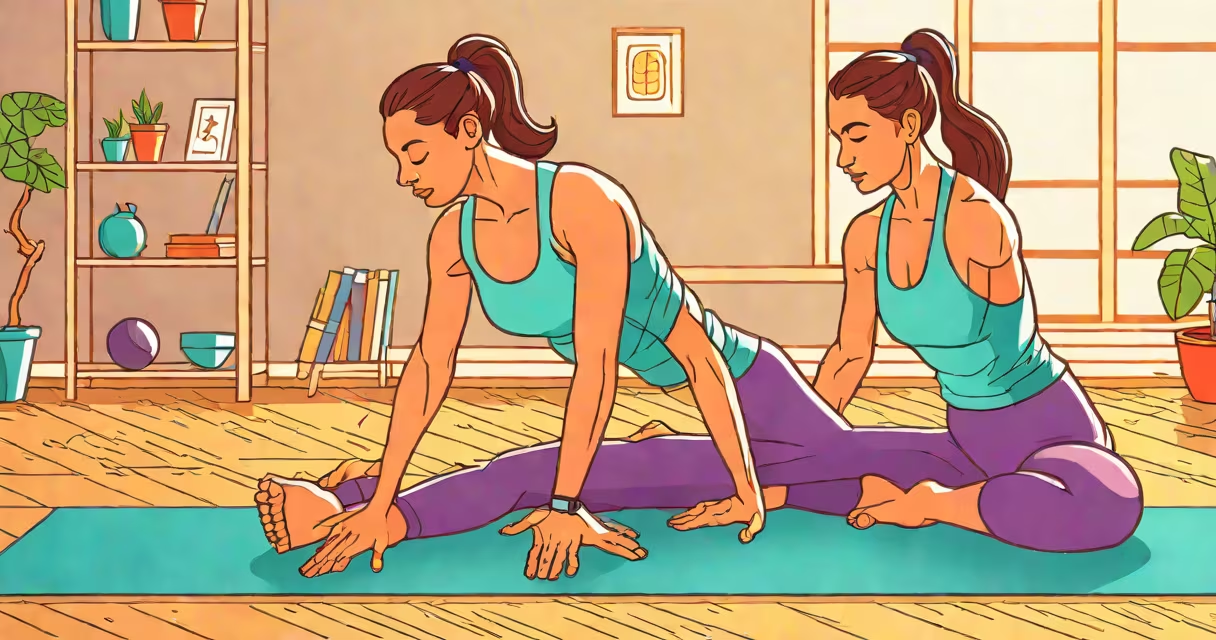
Delayed onset muscle soreness (DOMS) is the ache felt 12 to 72 hours after unaccustomed or intense physical activity, primarily caused by microscopic muscle fiber damage during eccentric contractions. It's not due to lactic acid buildup, as commonly believed. Proper preparation, recovery, and consistency reduce DOMS without compromising training gains.
DOMS results from mechanical stress on muscle fibers, especially during movements like lowering weights or running downhill. The body repairs microtears through inflammation and protein synthesis, leading to soreness. This process strengthens muscles over time, but excessive soreness can hinder performance and adherence to training.
Research shows that consistent training reduces DOMS severity within weeks. A 2018 study in the Journal of Strength and Conditioning Research found participants who trained regularly experienced less soreness after repeated sessions compared to those new to exercise. This adaptation occurs even without changes in intensity.
Several elements determine how much soreness you'll feel after a session. Not all are under your control, but many can be managed proactively.
Intensity and volume of exercise are primary drivers. A sudden increase in weight, reps, or duration raises the risk of DOMS. For example, adding 30% more volume to a leg workout increases soreness by 40% on average, according to a 2020 review in Frontiers in Physiology.
Exercise type matters. Eccentric exercises-where muscles lengthen under load-cause more damage. Lowering a barbell during a squat or descending stairs activates more Type II muscle fibers, which are more prone to soreness. These movements generate higher mechanical tension, increasing microtrauma.
Recovery habits play a major role. Sleep quality, hydration, and nutrition directly affect repair rates. Low sleep duration (<6 hours per night) correlates with 25% higher perceived soreness, per a 2021 study in Sports Medicine.
Effective strategies focus on minimizing tissue damage and enhancing recovery. They don't eliminate soreness entirely-some is normal-but they reduce unnecessary discomfort.
Warming up improves blood flow and neuromuscular readiness. A 10-minute changing warm-up (leg swings, arm circles, bodyweight squats) reduces DOMS by 20% compared to skipping warm-ups, according to a 2019 randomized trial published in European Journal of Applied Physiology.
Cooldowns aid in clearing metabolic waste. Light aerobic activity (5-10 minutes of walking or cycling) after lifting lowers lactate accumulation and may ease stiffness. A 2022 study showed participants who cooled down reported 15% less soreness at 48 hours post-exercise.
Nutrition timing is critical. Consuming 20-30 grams of high-quality protein within 2 hours post-workout supports muscle repair. Adding carbohydrates (e.g., a banana or rice) enhances insulin response, improving amino acid uptake. A 2023 meta-analysis confirmed that post-exercise nutrition reduced soreness by 30% over 7 days.
Hydration status affects cellular function. Dehydration impairs nutrient delivery and waste removal. Drinking 500 mL of water before and after a session maintains optimal muscle function. One study found dehydrated individuals reported 35% more soreness during resistance training.
Many beliefs about soreness are myths. Correcting them prevents ineffective or harmful practices.
Myth: Soreness means a good workout.
Fact: Soreness indicates tissue disruption, not effectiveness. You can train hard without soreness. A 2021 study in Medicine & Science in Sports & Exercise showed no correlation between soreness levels and strength gains over 8 weeks.
Myth: Stretching prevents soreness.
Fact: Static stretching before or after workouts does not reduce DOMS. A 2017 Cochrane review analyzed 14 trials and found no significant difference in soreness between stretchers and non-stretchers.
Myth: Ice baths speed recovery.
Fact: Cold immersion may reduce inflammation too early, interfering with long-term adaptation. A 2020 study in Journal of the International Society of Sports Nutrition found athletes using ice baths had lower strength gains over 6 weeks despite less short-term soreness.
Active recovery-light movement like walking or swimming-is more effective than passive rest. It promotes circulation without stressing tissues further.
Consider a 30-year-old office worker starting strength training twice weekly. On Day 1, they perform 3 sets of 10 reps on the leg press, squat, and deadlift, using 70% of their one-rep max. They skip warm-up and cooldown, eat a meal post-session, and drink 1 liter of water.
By Day 3, they report moderate soreness in quads and hamstrings. On Day 4, they repeat the workout with a 10-minute changing warm-up (high knees, walking lunges), cool down with 5 minutes of walking, consume a post-workout shake with 25g protein and 40g carbs, and drink 500 mL of water before and after.
After two weeks, soreness decreases by 50%. Their form improves, and they lift heavier weights. The pattern aligns with research showing gradual adaptation reduces DOMS.
Not all soreness is harmless. Persistent pain beyond 72 hours, swelling, or joint instability signals injury, not DOMS.
DOMS typically peaks at 24-48 hours and resolves by 72 hours. If pain persists longer, consult a healthcare provider. For example, persistent quad soreness after squats may indicate patellar tracking issues or tendon strain.
Individuals with connective tissue disorders or autoimmune conditions may experience disproportionate soreness. In such cases, training volume should be adjusted under guidance.
I've seen clients misinterpret joint pain as DOMS. One woman reported severe knee pain after front squats. Upon evaluation, she had poor hip mobility and anterior pelvic tilt. Correcting posture and reducing depth eliminated pain and improved performance.
Different muscle groups respond differently to stress. Understanding patterns helps tailor recovery.
| Muscle Group | Common Cause | Prevention Strategy |
|---|---|---|
| Quadriceps | Deep squats, lunges, step-ups | Progressive overload, proper depth, post-workout foam rolling |
| Hamstrings | Deadlifts, Nordic curls, sprinting | Changing warm-up, controlled eccentric phase, hydration |
| Calf | Running, jumping, calf raises | Gradual mileage increase, proper footwear, ankle mobility work |
| Lower Back | Heavy deadlifts, improper form | Core activation, controlled tempo, rest between sets |
For quads, a 2021 study in Journal of Human Kinetics found that progressive loading reduced DOMS by 45% over 6 weeks. For calves, wearing shoes with adequate heel drop decreased strain by 30%, per a 2022 biomechanics analysis.
Addressing muscle-specific triggers prevents recurring soreness. If you consistently feel sore in the same area, assess form, volume, or equipment.
How to avoid muscle soreness after workout hinges on consistency, smart programming, and recovery habits-not avoiding effort. Soreness is not a metric of success. Training smarter reduces discomfort while supporting long-term progress.
Use changing warm-ups, cooldowns, balanced nutrition, and hydration. Monitor volume increases-limit them to 10% per week. Prioritize sleep and listen to your body. If pain persists past 72 hours, seek professional assessment.