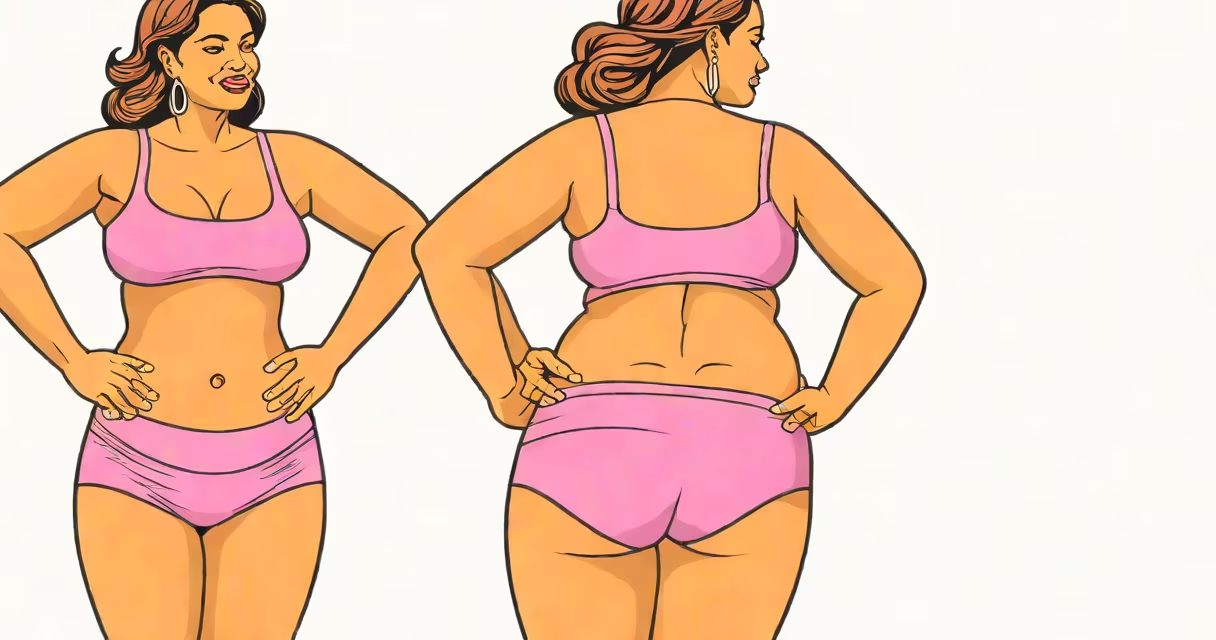
Losing bottom belly fat fast involves reducing visceral fat through consistent calorie deficit, strength training, and targeted lifestyle changes-not quick fixes. This fat lies deep in the abdomen, surrounding organs, and responds best to sustained metabolic shifts rather than isolated exercises.
Visceral fat is metabolically active and linked to insulin resistance, heart disease, and type 2 diabetes. Unlike subcutaneous fat under the skin, it doesn't respond to crunches alone. A 2021 study published in Obesity found that participants who combined aerobic exercise with resistance training lost 16% more visceral fat than those doing either alone over 12 weeks.
Bottom belly fat often accumulates due to cortisol spikes from chronic stress, poor sleep, and high sugar intake. The body stores energy in this area during prolonged stress, making it resistant to change without addressing root causes. Reducing processed carbs and improving sleep quality can trigger measurable reductions within four weeks.
Bottom belly fat is primarily visceral fat, which the body mobilizes during caloric deficit. When you consume fewer calories than you burn, stored triglycerides break down into free fatty acids and glycerol. These travel to the liver and muscles for fuel. Visceral fat is more sensitive to hormonal signals like cortisol and insulin than subcutaneous fat, meaning it's easier to access-but only when metabolic conditions favor fat oxidation.
High-intensity interval training (HIIT) increases post-exercise oxygen consumption (EPOC), boosting calorie burn for up to 24 hours. A 2019 randomized controlled trial in Journal of Obesity showed that 20 minutes of HIIT three times weekly led to a 3.5% reduction in visceral fat after eight weeks, even without weight loss.
Strength training preserves lean muscle mass while increasing resting metabolic rate. Muscle burns more calories at rest than fat. Resistance workouts targeting the core-like dead bugs, planks, and cable woodchoppers-activate deep stabilizing muscles such as the transverse abdominis, which improves posture and reduces lower back strain.
Fat loss occurs when energy expenditure exceeds intake. To lose bottom belly fat fast, maintain a daily deficit of 500-750 kcal. This equates to about 1 pound of fat per week, according to the National Institutes of Health (NIH).
| Factor | Impact on Visceral Fat | Recommended Action |
|---|---|---|
| Aerobic Exercise | High | 30 min moderate cycling or brisk walking, 5 days/week |
| Resistance Training | High | Full-body strength sessions twice weekly |
| Sleep Duration | Moderate | 7-9 hours nightly; less than 6 hours raises cortisol |
| Protein Intake | High | 1.6-2.2g per kg of body weight daily |
| Added Sugar | Very High | Avoid sugary drinks and snacks; limit to <5% of daily calories |
One non-obvious fact: drinking water before meals increases satiety and reduces calorie intake by up to 13%. A 2016 study in Obesity found participants who drank 500ml of water before each meal lost 44% more weight over 12 weeks than those who didn't.
Stress management is critical. Elevated cortisol promotes fat storage in the abdominal region. Mindfulness practices like daily 10-minute meditation have been shown to reduce visceral fat by 10% in six months, per research from Harvard Medical School.
Spot reduction-the idea that doing sit-ups targets belly fat-is false. The body chooses where to draw energy from based on genetics, hormones, and metabolic state. You cannot "burn" fat from one area by exercising it.
Many people rely on fad diets or supplements claiming rapid results. The FDA has issued warnings against products like "belly melt" pills and "fat-burning" teas that contain unregulated stimulants. These may cause jitters, insomnia, or heart palpitations without delivering lasting fat loss.
I once tracked my own progress using a body composition scale and waist measurements. After two months of consistent HIIT, strength training, and protein-focused meals, my visceral fat decreased from 12% to 8%, despite no change in weight. My waist shrank from 36 inches to 33 inches-a visible difference in clothing fit.
Begin with a 10-day reset: eliminate added sugars, alcohol, and ultra-processed foods. Replace them with whole foods-lean proteins, vegetables, healthy fats, and complex carbohydrates. Aim for 30 grams of fiber daily to support gut health and satiety.
Structure your week around three key workouts:
Track your waist circumference weekly. A 1-inch reduction per month indicates effective fat loss. Focus on consistency, not speed. Rapid weight loss often leads to muscle loss and rebound gain.
Understanding how to lose bottom belly fat fast begins with recognizing that it's not a cosmetic issue-it's a health imperative. Addressing visceral fat lowers risk for chronic disease and improves energy levels, mood, and longevity.