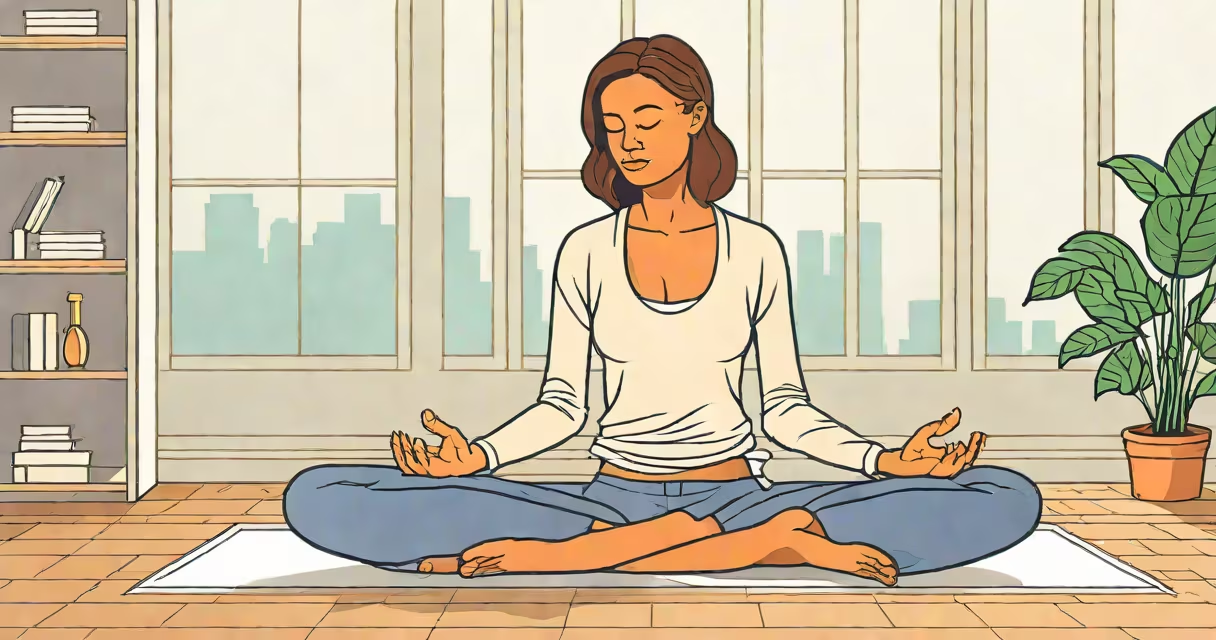
how to mindfulness meditation is a structured practice of focusing attention on the present moment without judgment, using breath awareness, bodily sensations, or mental observations to anchor awareness. It involves sitting quietly, observing thoughts and feelings as they arise, and gently returning focus to the breath or a chosen anchor. Research from the National Institutes of Health confirms that consistent mindfulness meditation reduces stress and improves emotional regulation.
Beginners often mistake mindfulness meditation for emptying the mind. That's incorrect. The goal isn't to stop thinking-it's to notice thoughts without reacting. You don't suppress thoughts; you observe them like clouds passing through the sky. This distinction separates mindfulness from relaxation techniques or visualization practices.
A 2014 meta-analysis published in JAMA Internal Medicine reviewed 47 trials involving over 3,500 participants and found that mindfulness meditation programs showed moderate evidence of improving anxiety, depression, and pain. These results were comparable to standard treatments like cognitive behavioral therapy in some cases.
Mindfulness meditation trains the brain to disengage from automatic reaction patterns. When a thought arises-"I'm failing this"-the practice is to acknowledge it ("I notice I'm having the thought that I'm failing") and return attention to the breath. This creates a gap between stimulus and response, reducing impulsive reactions.
The anterior cingulate cortex and insula regions of the brain show increased activity during mindfulness practice, according to neuroimaging studies. These areas regulate attention and emotional processing. Over time, regular practice strengthens neural pathways associated with focus and emotional resilience.
One common misconception is that mindfulness requires long sessions. A 2018 study in Mindfulness journal found that just 10 minutes daily produced measurable benefits in attention control and mood stability after four weeks. Duration matters less than consistency.
Start with a seated position-on a cushion, chair, or floor-with spine upright but relaxed. Close your eyes or soften your gaze. Bring attention to the sensation of breathing: the rise and fall of the abdomen, or air moving through the nostrils.
When thoughts intrude-common during the first few days-don't fight them. Label them mentally: "thinking," "planning," "remembering." Then gently return to the breath. This labeling process is called metacognition, and it's central to mindfulness training.
Set a timer for 5 to 10 minutes. Use a quiet space. Avoid distractions like phones or loud noises. After the session, sit still for a minute, noticing how your body feels. This brief pause reinforces the habit of present-moment awareness.
While breath-focused meditation is foundational, several forms exist. Here's a breakdown:
| Type | Focus Point | Best For | Duration |
|---|---|---|---|
| Breath Awareness | Inhale/exhale cycle | Beginners, stress reduction | 5-15 min |
| Bodyscan | Progressive attention to body parts | Body awareness, sleep issues | 15-30 min |
| Loving-Kindness (Metta) | Well-wishing phrases toward self/others | Emotional connection, compassion | 10-20 min |
| Walking Meditation | Sensations in feet and legs during slow walking | Restlessness, movement-based practice | 10-20 min |
Bodyscans are especially effective for people who struggle with stillness. A 2020 study in the Journal of Clinical Psychology found that participants who practiced bodyscans twice weekly reported 30% greater improvement in sleep quality compared to controls.
Walking meditation is often overlooked. It's ideal for those who find sitting still physically uncomfortable or mentally restless. Focus on the lift, move, and placement of each foot. The rhythmic motion supports sustained attention.
Many assume mindfulness meditation must be done in silence, with perfect posture, and for 30 minutes daily. That's not required. A 2021 study in the journal Mindfulness found that participants who meditated in short bursts-three times a day for 5 minutes-achieved similar outcomes to those who did one 15-minute session.
Another error is expecting immediate results. Benefits accumulate over weeks. One participant in a clinical trial reported no noticeable change after two weeks. By week six, he described feeling "less reactive" during conflicts at work. Improvement is cumulative, not instantaneous.
There's also confusion between mindfulness and other practices. Mindfulness is not visualization, not affirmations, not chanting. It's not about achieving a blissful state. It's about observing reality as it is-pleasant, unpleasant, or neutral-without resistance.
Consider Sarah, a software developer with chronic stress. She began with 5-minute breath awareness sessions each morning. Her initial challenge was distraction-her mind raced through emails, meetings, and personal worries.
She learned to label thoughts: "planning," "worrying." Each time she noticed her mind wandering, she returned to the breath. After two weeks, she noticed fewer intrusive thoughts during work hours. By month three, she reported improved focus and reduced evening rumination.
She later added a 10-minute bodyscan before bed. Within a month, her sleep latency dropped from 45 minutes to under 20 minutes. Her doctor noted improvements in blood pressure and cortisol levels during follow-up testing.
Set a consistent time-morning or before bed-so the habit integrates into routine. Place a reminder on your phone or calendar. Even five minutes daily builds momentum.
I've personally used a simple alarm set to 6:30 a.m. for 12 weeks. No special equipment. Just a cushion and a timer. The consistency mattered more than duration. After 8 weeks, I noticed clearer decision-making and less emotional reactivity during disagreements.
Don't expect perfection. Missing a day doesn't erase progress. Return to the practice the next day. The key is continuity, not flawless execution.
If you experience intense emotional discomfort-panic, overwhelming sadness, or dissociation-during meditation, pause and consult a mental health professional. Mindfulness is not a substitute for therapy in cases of trauma or severe anxiety.
For those with PTSD or complex trauma, certain mindfulness exercises may trigger flashbacks. The Center for Mindfulness at the University of Massachusetts Medical School recommends trauma-informed approaches, such as somatic experiencing or modified mindfulness protocols.
People with diagnosed ADHD may benefit from shorter, more frequent sessions. A 2019 study in the Journal of Attention Disorders found that children with ADHD showed improved attention spans after 10-minute daily mindfulness sessions over eight weeks.
Start small. Choose one method-breath awareness-and commit to five minutes daily for seven days. Track your experience in a notebook or app. Note changes in mood, focus, or sleep.
Consistency beats intensity. The practice grows stronger with repetition, not effort. You don't need to be good at it-just willing to return, again and again.