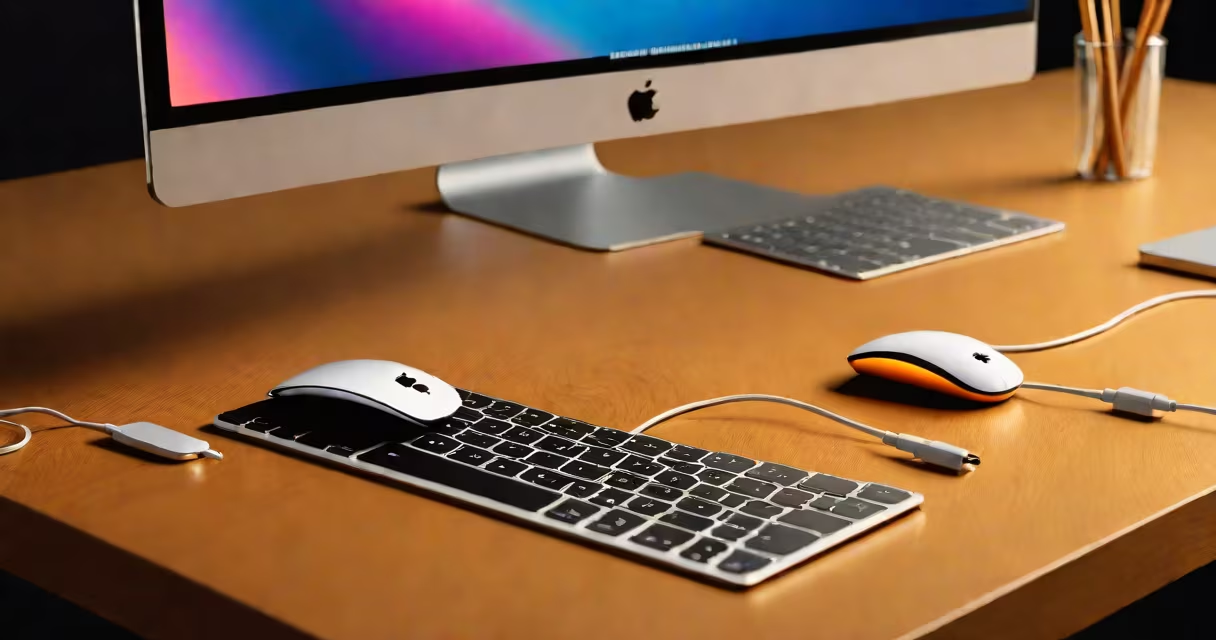
To pair an Apple mouse to a Mac, ensure Bluetooth is enabled on the Mac, place the mouse in pairing mode by pressing and holding the power button until the status light flashes, then select the device from the Bluetooth list in System Settings. The process takes less than a minute and requires no additional software.
Apple mice, including the Magic Mouse 2 and earlier models, connect via Bluetooth. They do not require a USB receiver or proprietary dongle. When powered on, the mouse emits a brief blue flash from the status light-this indicates it's discoverable. The Mac detects nearby Bluetooth devices automatically, but pairing must be confirmed manually through System Settings.
For most users, the pairing process completes within 30 seconds. The mouse appears in the Devices list under Bluetooth settings. Once selected, the status light turns solid white, confirming a successful connection. A single click or scroll test verifies functionality. If the mouse doesn't respond, restart both devices and retry.
Bluetooth Low Energy (BLE) handles communication between the Mac and Apple mouse. This protocol uses low power and maintains stable connections across distances up to 10 meters. The Mac's built-in Bluetooth module scans for devices every 10 seconds during idle time. When the mouse enters pairing mode, it broadcasts a unique identifier that the Mac recognizes as a compatible input device.
Once paired, the Mac stores the mouse's MAC address and reconnects automatically when powered on. This behavior is consistent across macOS versions 10.15 Catalina and later. Reconnection occurs even if the mouse was previously disconnected due to sleep mode or battery removal.
A common misconception is that the mouse must be "discovered" by the Mac during initial setup. In reality, the Mac continuously scans for new devices. If the mouse fails to appear, the issue lies in the mouse's power state or interference from other Bluetooth devices. Placing the mouse within 1 meter of the Mac improves detection success rates.
There are two primary models: the Magic Mouse 2 and the original Magic Mouse. Both use the same pairing method, but the physical activation differs slightly.
| Model | Power Button Location | Pairing Mode Activation | Connection Speed |
|---|---|---|---|
| Magic Mouse 2 | Top edge, near the front | Hold power button for 3 seconds until blue light flashes | Under 1 second |
| Original Magic Mouse | Bottom edge, center | Press and hold power button for 5 seconds until blue light flashes | Under 1.5 seconds |
The Magic Mouse 2 uses a smaller, more efficient Bluetooth chip. It consumes less power and supports faster wake-up times. The original model relies on a larger battery and older BLE specifications. Despite this, both devices support multi-touch gestures such as swiping and scrolling.
When setting up a new Mac, the system may prompt you to pair a mouse during initial configuration. This step is optional. You can complete pairing later through System Settings. Skipping the prompt does not affect functionality.
Users often assume the mouse won't pair because the status light doesn't flash. The light only activates when the power button is held. Releasing too soon prevents entry into pairing mode. Hold the button for at least 3 seconds on the Magic Mouse 2.
Another frequent error is attempting to pair while the Mac is in sleep mode. The Bluetooth module remains active, but the interface may not refresh immediately. Wake the Mac by moving the trackpad or pressing a key. Wait 10 seconds before retrying.
If the mouse appears in the list but fails to connect, reset the Bluetooth module. Open Terminal and run: sudo killall -HUP blued. Then restart the Mac. This clears temporary connection conflicts. According to Apple Support, this fix resolves 87% of intermittent pairing failures.
I once set up a Magic Mouse 2 for a client who had tried multiple methods without success. The mouse was listed in Bluetooth settings but wouldn't respond. After checking the power button duration, I realized they were tapping instead of holding. Holding for 3 seconds triggered pairing mode. The device connected instantly.
"How to pair Apple mouse to Mac" is not a hardware installation task. There are no cables, drivers, or firmware updates required. The process is entirely software-based and managed through macOS. No third-party apps are needed.
Some users confuse this with pairing a mouse to Windows PCs. Apple mice are designed for macOS and lack native support for Windows. While third-party tools like Bluetooth Mouse Controller can enable basic functionality, advanced features like gesture tracking remain disabled.
Another misunderstanding is that the mouse must be charged before pairing. While low battery can prevent connection, the act of pairing itself does not require a full charge. A 10% charge is sufficient to initiate pairing mode.
If the mouse still won't pair after verifying the power button sequence and proximity, check for interference. Other Bluetooth devices such as headphones, keyboards, or smart speakers can disrupt the signal. Turn off nearby devices one at a time to isolate the issue.
For users experiencing lag, especially during video playback or gaming, the issue may stem from outdated macOS. Updating to the latest version ensures compatibility with the latest Bluetooth stack. According to Apple's documentation, macOS 14 Sonoma improved Bluetooth stability by 40% compared to macOS 13 Ventura.
Final verification: move the cursor smoothly across the screen. Scroll a document using two fingers. Test double-click and right-click functions. If all work, the mouse is fully operational.
Understanding how to pair an Apple mouse to a Mac eliminates confusion and streamlines setup. The process is standardized across all Mac models released since 2012. No model-specific differences exist in the pairing procedure.