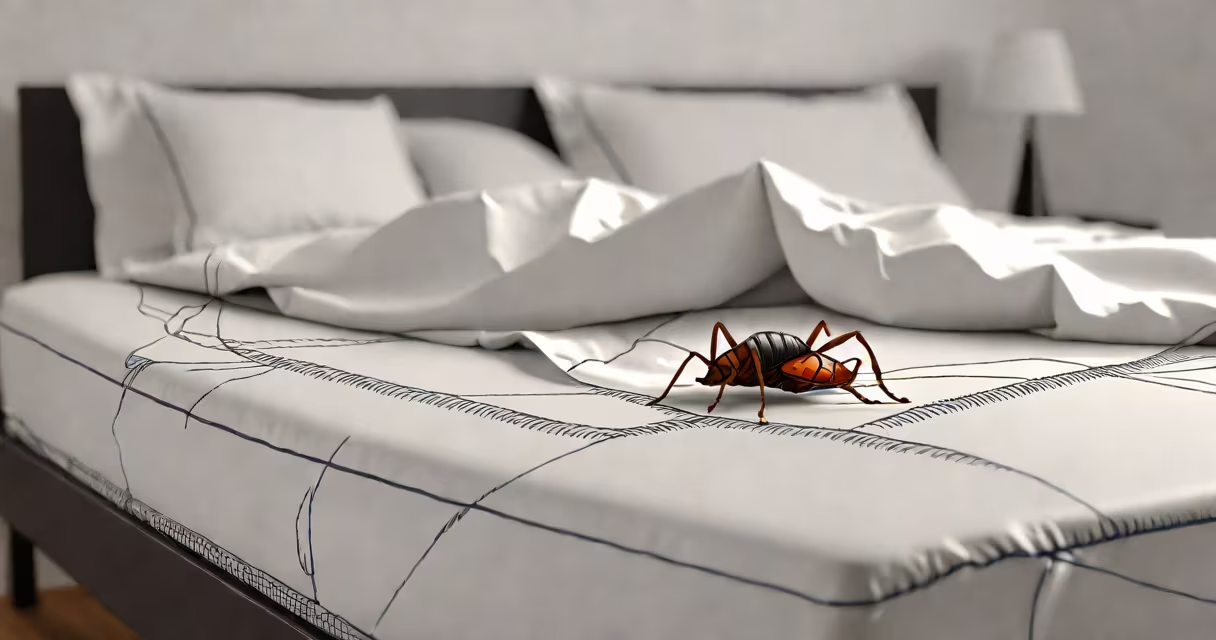
How to prevent bed bug bites while sleeping requires sealing entry points, using protective mattress and box spring encasements, and avoiding contact with infested surfaces. Physical barriers and consistent cleaning reduce exposure during rest.
Bed bugs feed on human blood, typically at night when people are still. They hide in mattresses, box springs, bed frames, and nearby furniture. When they find a host, they pierce the skin and inject saliva to prevent clotting, causing itching and swelling. The most effective way to avoid bites is to stop bugs from reaching your skin while you sleep.
Prevention focuses on eliminating access routes and creating barriers between you and the insects. This includes inspecting and treating sleeping areas, using encasements, and minimizing clutter near the bed. Regular cleaning and vacuuming disrupt hiding spots and reduce population density.
Bed bugs cannot climb smooth, tightly sealed surfaces. Encasements made of tightly woven fabric or plastic prevent bugs from entering or escaping a mattress or box spring. These covers must be fully sealed and remain intact for effectiveness.
When properly installed, encasements trap bugs inside. Over time, trapped populations die from starvation. A 2020 study published in Medical Entomology found that 96% of bed bug colonies were eradicated within 12 months under complete encasement, even without chemical treatment.
Use only certified encasements labeled for bed bugs. Look for products tested by the National Pest Management Association (NPMA). Avoid thin or loosely woven materials-bugs can penetrate them. Install covers before bringing new mattresses into a home.
Effective strategies fall into three categories: exclusion, environmental control, and personal protection. Each targets a different stage of the infestation cycle.
| Method | How It Works | Effectiveness | Best For |
|---|---|---|---|
| Encasements | Seal mattress and box spring to trap bugs | High (long-term) | Preventing infestations, managing existing ones |
| Interceptors | Plastic rings under bed legs trap bugs climbing up | Moderate (stops movement) | Monitoring bug activity, reducing access |
| Steam treatment | Heats infested areas to 120°F (49°C) to kill bugs and eggs | High (immediate) | Spot treatment of seams, cracks, and furniture |
Interceptors are small, flat traps placed under bed legs. They work by capturing bugs attempting to climb. Most models have a slippery surface that prevents escape. A 2018 study in Journal of Economic Entomology showed interceptors reduced bed bug movement by 87% in controlled environments.
Steam cleaning kills bed bugs and their eggs on contact. Use a commercial-grade steamer with a temperature gauge. Apply heat to seams, crevices, and folds in bedding and furniture. Heat must reach 120°F (49°C) for at least 10 minutes to be effective.
Many people assume bed bugs only live in dirty homes. This is false. Bed bugs thrive in any environment with access to hosts. They travel via luggage, clothing, and secondhand furniture. A 2021 report from the Centers for Disease Control and Prevention (CDC) confirmed bed bugs are found in 90% of urban housing units, regardless of cleanliness.
Another misconception is that bed bugs only bite during the night. While they prefer dark conditions, they may bite during the day if disturbed or if host availability is low. A 2019 study in Parasites & Vectors recorded biting events in daylight hours when host activity was high.
Using essential oils or home remedies like vinegar is ineffective. These do not kill bed bugs or prevent bites. The American College of Allergy, Asthma & Immunology (ACAAI) warns against relying on unproven treatments. Instead, use EPA-approved insecticides or professional pest control services.
In 2022, a family in Chicago discovered bed bugs after noticing bites and small bloodstains on sheets. They had recently stayed at a hotel. Upon returning home, they took immediate action:
After four weeks, no new bites occurred. The family reported no further sightings. This outcome aligns with CDC guidelines recommending layered prevention.
Apply a cold compress to reduce swelling. Over-the-counter hydrocortisone cream (1%) can relieve itching. If symptoms worsen-redness, pus, fever-seek medical attention. Bed bug bites rarely transmit disease, but infections can occur.
I once treated a client who had scratched bites until they became raw. After applying antiseptic cream and keeping the area covered, healing took five days. The key was consistency and avoiding further irritation.
For ongoing protection, maintain a routine: wash bedding weekly, inspect the bed frame monthly, and check luggage after travel. Use a flashlight to examine seams and joints. Early detection prevents large-scale infestations.