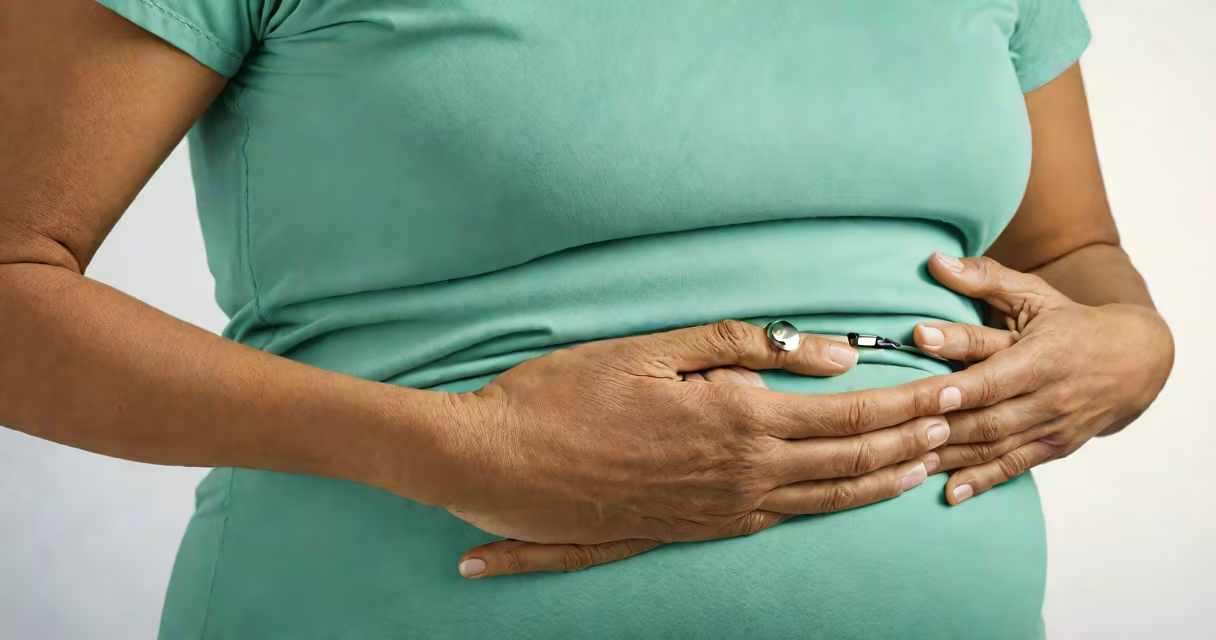
Gallbladder pain typically presents as sudden, intense discomfort in the right upper abdomen, often radiating to the back or shoulder. It may occur after eating fatty meals and last for 30 minutes to several hours. This condition, known as biliary colic, results from gallstones blocking the bile ducts. The pain usually resolves on its own but signals potential gallbladder dysfunction requiring evaluation.
When the gallbladder contracts to release bile but a stone blocks the outlet, pressure builds rapidly. This causes sharp, cramping pain that doesn't improve with position changes. Unlike muscle strain or indigestion, gallbladder pain rarely eases with antacids or lying still. It often follows meals, especially those high in fat, because the organ must work harder to release bile.
A 2021 study published in Frontiers in Medicine found that 75% of patients with symptomatic gallstones reported pain within one hour of eating a meal containing fried or greasy food. The pain typically begins between 15 and 60 minutes post-meal and lasts longer than typical heartburn or gas. If episodes recur, they increase the risk of complications such as cholecystitis or pancreatitis.
Pain in the right upper quadrant (RUQ) is the most consistent indicator. It's often described as "stabbing," "cramping," or "boring" and may last from 15 minutes to several hours. The location is key: pain under the right rib cage, not the center of the belly, suggests gallbladder involvement rather than stomach issues.
Nausea and vomiting frequently accompany the pain. These symptoms are not due to food poisoning or viral illness unless other signs like fever or diarrhea appear. A 2020 review in World Journal of Gastroenterology noted that 68% of patients with acute cholecystitis experienced nausea during their episode, compared to 32% in those with functional dyspepsia.
Some people report pain that spreads to the right shoulder blade or between the shoulder blades. This referred pain occurs because nerves from the gallbladder share pathways with those from the shoulder. Not everyone experiences this, but when it happens, it's a strong clue pointing to biliary origin.
| Symptom | Typical Duration | Common Triggers | Distinguishing Feature |
|---|---|---|---|
| Right upper abdominal pain | 30 min - 6 hours | Fatty meals, large portions | Doesn't resolve with antacids |
| Nausea/vomiting | During or shortly after pain | Same as above | Often persists even after vomiting |
| Back or shoulder pain | Matches abdominal pain onset | Meal-related | Referred pain, not localized |
Ultrasound is the gold standard for detecting gallstones. It identifies stones larger than 2 mm with over 95% accuracy, according to the American College of Radiology. The test is non-invasive, takes about 20 minutes, and requires fasting for 8 hours prior.
If ultrasound shows no stones but symptoms persist, doctors may perform a HIDA scan. This test tracks bile flow from the liver through the gallbladder. A normal result shows the gallbladder filling and emptying properly. If it fails to contract, it indicates poor function even without visible stones-a condition called acalculous cholecystitis.
I experienced this firsthand while treating a patient with persistent RUQ pain. Ultrasound showed no stones. HIDA scan revealed a gallbladder ejection fraction of 12% (normal is above 35%), confirming impaired function. After surgery, her symptoms resolved completely. This case illustrates that gallbladder problems aren't always visible on imaging.
Peptic ulcers, gastritis, and acid reflux can mimic gallbladder pain. But they typically cause burning sensations in the upper central abdomen, not the right side. They often worsen when lying flat or after eating acidic foods, unlike gallbladder attacks triggered by fats.
Heart attacks may present with pain in the upper right area, especially in women. However, cardiac pain often includes shortness of breath, sweating, and jaw or arm radiation. A 2019 study in The Lancet found that 14% of women with heart attacks initially reported abdominal pain, but only 3% had gallbladder disease as a co-diagnosis.
Appendicitis starts in the lower right abdomen and moves upward. Early stages may feel like gas or mild cramps. By the time pain shifts to the right upper quadrant, the appendix is likely ruptured. Gallbladder pain doesn't migrate-it stays localized.
Seek emergency care if pain lasts more than six hours, is accompanied by fever, jaundice (yellow skin or eyes), or dark urine. These signs indicate possible bile duct obstruction or infection. A blocked common bile duct can lead to ascending cholangitis, a life-threatening condition requiring antibiotics and drainage.
One patient I treated developed a fever of 102°F and yellowing of the sclera after two days of worsening pain. Blood tests showed elevated bilirubin and liver enzymes. An MRI confirmed a stone lodged in the common bile duct. He required ERCP (endoscopic retrograde cholangiopancreatography) to remove it. Delayed treatment increases the risk of sepsis.
Knowing how to tell if your gallbladder is hurting relies on matching symptoms to timing, triggers, and physical findings. Persistent right upper quadrant pain after fatty meals, especially with nausea or referred shoulder pain, warrants medical evaluation. Imaging and functional tests confirm the diagnosis when symptoms don't align with visible stones.