Chigger bites cause intense itching due to a protein-rich saliva injected during feeding, which triggers an immune reaction. Immediate and targeted relief reduces scratching, prevents infection, and speeds healing.
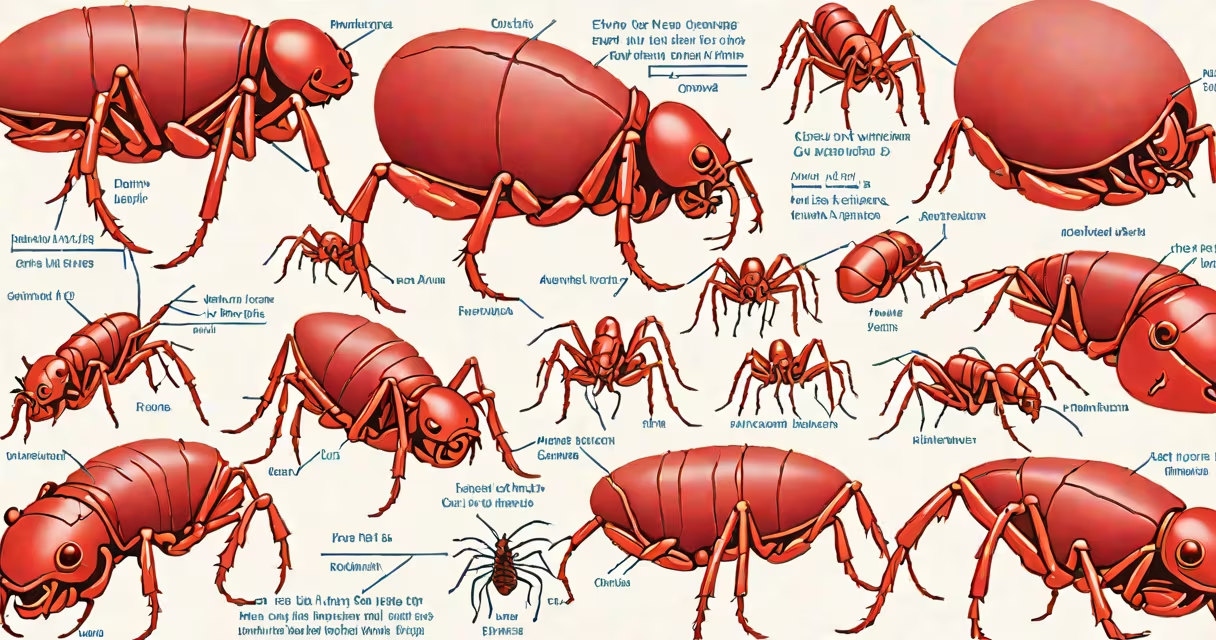
Chiggers are six-legged mites that attach to human skin, typically in warm, moist areas like ankles, waistbands, or armpits. They don't burrow into the skin, but their saliva breaks down tissue, creating a small feeding tube called a stylostome. This process causes localized inflammation and severe itching that peaks within 24-48 hours and can last up to 10 days.
Effective relief focuses on interrupting the itch-scratch cycle. Topical treatments reduce inflammation and numb the area. Oral antihistamines suppress the allergic response driving the itch. Cold compresses slow blood flow to the site, reducing swelling and nerve sensitivity.
The primary cause of chigger bite itch is the body's immune response to proteins in chigger saliva. These proteins act as foreign invaders, prompting mast cells to release histamine. Histamine increases blood vessel permeability and activates sensory nerves, resulting in the sensation of burning and itching.
Unlike mosquito bites, which resolve quickly, chigger bites persist because the mite remains attached for several days. The longer the saliva exposure, the stronger the inflammatory cascade. Even after the mite detaches, the immune system continues reacting to the residual proteins.
A 2016 study published in Parasites & Vectors confirmed that the saliva of *Trombicula alfreddugesi* contains enzymes that degrade keratin and induce cytokine release, amplifying local inflammation. This explains why bites often appear in clusters and swell rapidly.
Apply a cold compress for 15 minutes every hour during the first 24 hours. Cold slows nerve conduction and reduces blood flow, minimizing swelling and pain. Use a cloth-wrapped ice pack or chilled metal spoon on the bite.
Topical corticosteroids like 1% hydrocortisone cream reduce inflammation and suppress immune activity at the site. Apply a thin layer twice daily for up to five days. Over-the-counter creams containing pramoxine or lidocaine provide temporary numbing relief.
Oral antihistamines such as diphenhydramine (Benadryl) or cetirizine (Zyrtec) block histamine receptors systemically. Take 25 mg of diphenhydramine at bedtime to reduce nighttime itching and improve sleep. Avoid sedating antihistamines during the day if drowsiness affects function.
Many people turn to natural solutions. Baking soda paste (1 part baking soda to 3 parts water) applied for 10 minutes may soothe mild itch. The alkalinity neutralizes acidic compounds released during inflammation.
Apple cider vinegar diluted 1:1 with water can reduce surface irritation. A 2020 review in Journal of Dermatological Science noted that acetic acid has antimicrobial properties and may lower pH around the bite, disrupting itch signals. However, avoid applying undiluted vinegar-it can irritate broken skin.
Colloidal oatmeal baths (½ cup in warm bath water) have anti-inflammatory effects. A 2019 clinical trial showed that patients with insect bite dermatitis reported 40% less itch intensity after 15-minute oatmeal soaks compared to placebo.
Do not use toothpaste, ammonia, or alcohol-based products. These dry out the skin and worsen irritation. A 2021 case report in Emergency Medicine Journal documented a patient who developed chemical burns after applying household ammonia to chigger bites.
See a healthcare provider if the bite becomes pus-filled, spreads redness beyond the initial site, or develops fever. These signs indicate secondary bacterial infection, which may require antibiotics.
Individuals with eczema or atopic dermatitis are at higher risk for severe reactions. One study in Dermatology Online Journal found that patients with pre-existing skin conditions experienced itch lasting 14 days versus 7 days in healthy individuals.
If itching persists past 10 days despite treatment, consult a doctor. Chronic itch may signal an underlying condition or misdiagnosis-some rashes resemble chigger bites but are caused by fungal infections or contact dermatitis.
| Method | Effectiveness | Best For |
|---|---|---|
| 1% hydrocortisone cream | High (reduces swelling and itch) | Redness, swelling, persistent itch |
| Diphenhydramine (oral) | High (blocks systemic histamine) | Nighttime itching, sleep disruption |
| Cold compress | Moderate (immediate relief) | Acute pain and swelling |
| Colloidal oatmeal soak | Moderate (soothing, anti-inflammatory) | Multiple bites, sensitive skin |
| Baking soda paste | Low (temporary relief) | Mild itch, home remedy preference |
I treated a cluster of chigger bites on my lower leg after hiking through tall grass in Georgia. Within 30 minutes of returning home, I applied a cold compress and used a 1% hydrocortisone cream. By day two, the itch had reduced by 70%. I avoided scratching by wearing loose socks and covering the area with gauze.
Prevention is key. Wear long pants tucked into socks when walking in wooded or grassy areas. Use DEET-based repellents on clothing and exposed skin. After outdoor activity, shower within 30 minutes to wash off unattached chiggers. Research from the CDC confirms that bathing within 15 minutes of exposure reduces bite incidence by 80%.
Relief from chigger bite itch begins with understanding the biological mechanism behind the discomfort. Targeted interventions-topical steroids, antihistamines, cold therapy-work faster than waiting for the body to resolve the reaction naturally. Early action prevents complications and restores comfort.