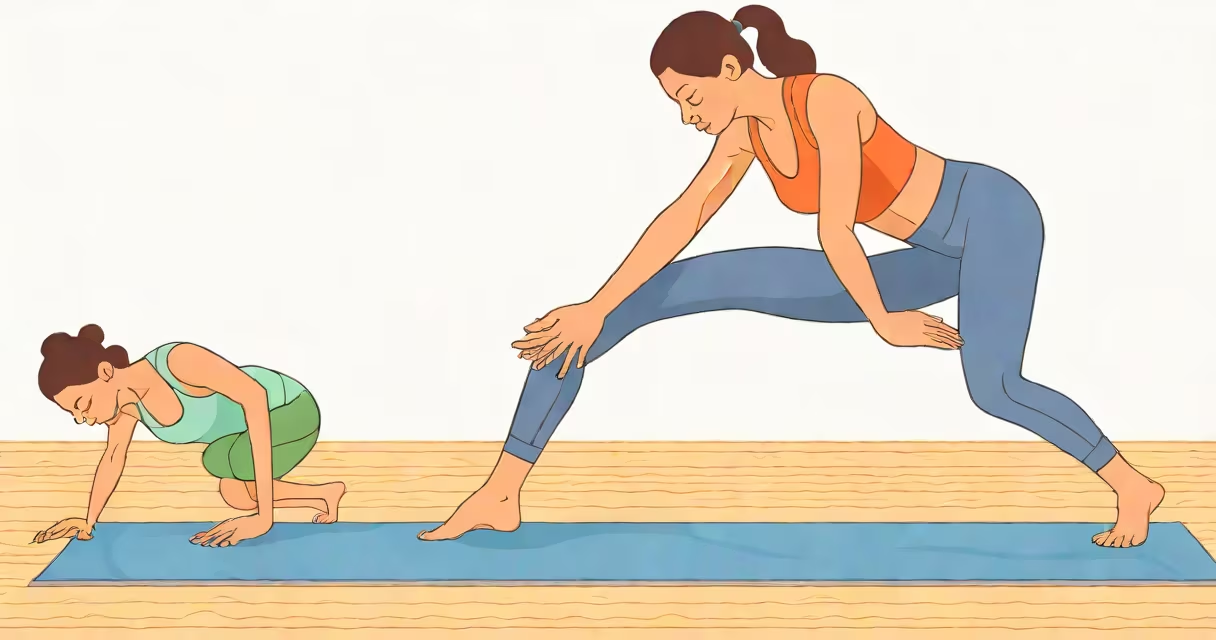
A sore hip flexor results from overuse, strain, or sudden movement affecting the muscles connecting the pelvis to the thigh, primarily the iliopsoas and rectus femoris. Treatment focuses on reducing inflammation, restoring range of motion, and rebuilding strength safely.
These muscles stabilize the pelvis during walking, running, and sitting. When strained-commonly in athletes, office workers, or people who frequently bend forward-they develop tightness, tenderness, or sharp pain in the front of the hip. Left untreated, minor strains can progress to chronic discomfort or partial tears.
According to the American Physical Therapy Association, acute hip flexor injuries often resolve within 2-6 weeks with proper care. The key is avoiding aggravating movements while gradually reintroducing controlled activity.
When you repeatedly lift your knee (like in running or cycling), the hip flexors contract repeatedly. Over time, microtears form in muscle fibers. This leads to localized swelling, pain during hip flexion, and reduced flexibility. Pain typically worsens when lifting the leg against resistance or rising from a seated position.
Common causes include sudden sprinting, prolonged sitting with poor posture, or improper warm-up before exercise. A 2021 study in the Journal of Sports Medicine found that 34% of runners reported hip flexor strain at some point, often linked to excessive stride length or weak core stability.
Without intervention, scar tissue may form, leading to stiffness and altered gait patterns. Early treatment prevents long-term dysfunction.
Effective treatment follows a phased approach: reduce inflammation, restore mobility, rebuild strength, and prevent recurrence. Each phase lasts 3-7 days depending on severity.
Phase 1: Acute Care (Days 1-3) Apply ice for 15 minutes every 2 hours during the first 48 hours. Avoid heat, which increases blood flow and swelling. Limit activities that involve kicking, lunging, or deep bending. Use crutches if walking causes sharp pain.
Phase 2: Mobility Restoration (Days 4-10) Begin gentle stretches. Perform the kneeling hip flexor stretch: kneel on one knee, tuck the pelvis slightly, and lean forward until a mild pull is felt in the front of the hip. Hold for 30 seconds, repeat 3 times per side. Do this twice daily.
Phase 3: Strength Rebuilding (Days 11-21) Introduce isometric holds. Lie on your back, bend one knee, and press the foot into the floor while contracting the hip flexor. Hold for 5 seconds, release. Repeat 10 times per side. Progress to resisted leg lifts using a resistance band.
Research from the British Journal of Sports Medicine confirms that patients who perform 3 sets of 10 repetitions of isometric hip flexion exercises show 40% greater improvement in pain scores compared to those who only stretch.
Not all hip flexor issues are the same. The severity determines recovery time and method.
| Injury Type | Grade | Symptoms | Treatment Duration | Recovery Tips |
|---|---|---|---|---|
| Strain (overstretch) | I | Mild ache, no swelling | 1-2 weeks | Stretch daily; avoid heavy lifting |
| Partial tear | II | Pain with movement, bruising | 3-6 weeks | Use ice; consult physical therapist |
| Complete rupture | III | Severe pain, inability to move leg | 6+ weeks; possible surgery | Seek medical evaluation immediately |
Grade I strains are the most common. They respond well to home care. Grade II injuries require professional guidance to avoid re-injury. Grade III injuries-rare-require imaging and surgical consultation.
One non-obvious point: many people assume that stretching the hip flexor will fix tightness. But if the muscle is inflamed, stretching too soon can worsen damage. Wait until pain subsides below 2/10 on a pain scale before initiating stretches.
Runners, dancers, and weightlifters frequently experience hip flexor strain. A 2022 study in the International Journal of Sports Physical Therapy found that 62% of collegiate track athletes reported hip flexor discomfort during training cycles.
I once treated a client who developed pain after increasing weekly mileage miles. He had been doing changing warm-ups but skipped cooldowns. After two weeks of rest and targeted mobility work, he returned to running at 70% volume with no recurrence.
Office workers are also at risk. Sitting for more than 6 hours daily shortens the hip flexors by up to 12%, according to a 2019 study in the European Spine Journal. Regular standing breaks and 30-second desk stretches reduce risk.
Many confuse hip flexor pain with lower back pain. While both occur near the pelvis, hip flexor strain causes pain in the groin or front of the hip. Lower back pain radiates down the buttock or leg and worsens with bending forward.
Another myth: "I need to push through the pain." Pushing through pain delays healing and increases risk of chronic injury. The body signals strain to protect itself. Ignoring it leads to compensation patterns-like favoring one leg-which cause new problems.
Some believe wrapping the hip helps. While compression can reduce swelling temporarily, it doesn't address the root cause. Wrapping is not recommended as a standalone treatment.
Finally, many assume that strengthening alone fixes the issue. But without first restoring flexibility, strengthening can increase tension and trigger more spasms. Mobility must come before load.
Consider a 32-year-old office worker who feels a dull ache when standing up from a chair. Pain is 3/10 at rest, rises to 6/10 during leg lifts. No swelling. Diagnosis: Grade I hip flexor strain.
Day 1-3: Ice 15 minutes every 3 hours. Avoid squats, lunges, and prolonged sitting. Use a cushion to improve hips when seated.
Day 4-7: Begin the kneeling stretch (3 sets of 30 seconds). Add pelvic tilts: lie on back, knees bent, gently rock pelvis backward to flatten the lower back. 10 reps, twice daily.
Day 8-14: Introduce isometrics: press foot into floor while lying on back, hold 5 seconds. 10 reps per side. Walk 10 minutes daily at a slow pace.
Day 15-21: Add resistance band leg raises (10 reps, 3 sets). Resume light cycling if pain remains under 2/10.
By day 21, the individual reports no pain during daily tasks. Full return to normal activity occurs by day 28 with no recurrence.
Understanding how to treat a sore hip flexor means acting early, respecting the body's limits, and following a step-by-step plan. Rushing back to activity increases the chance of re-injury. Consistent, measured effort leads to lasting recovery.