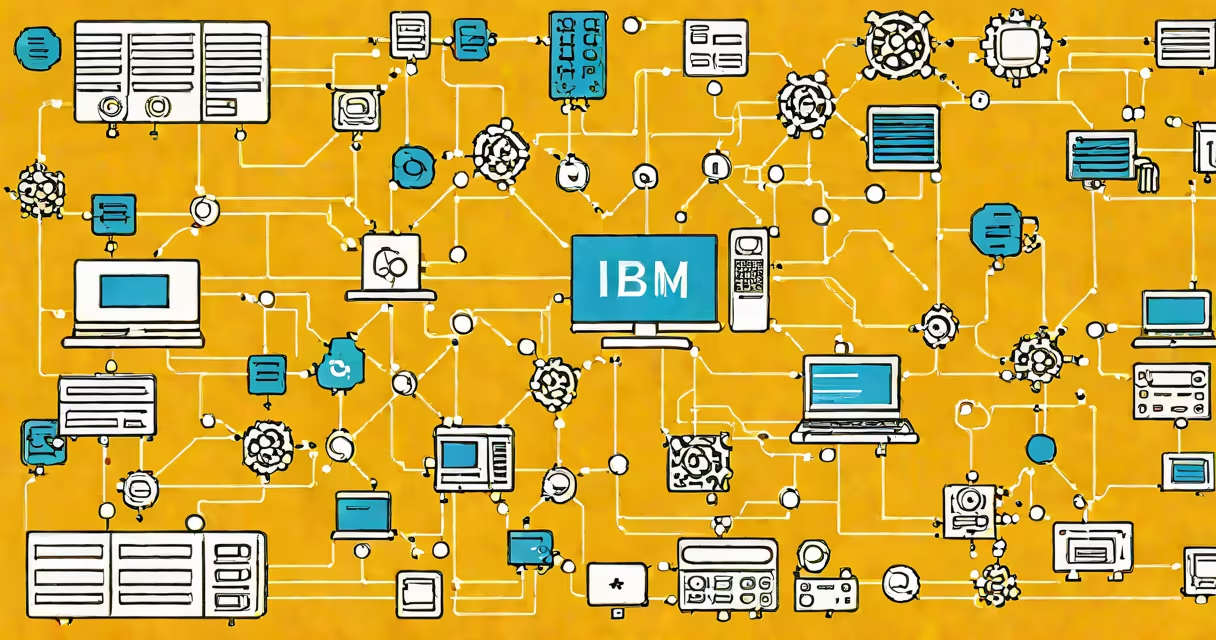
The iib data processing application is a middleware solution developed by IBM that manages the routing, transformation, and processing of messages between disparate systems in enterprise environments. It operates as part of the IBM Integration Bus platform, enabling automated workflows across applications, databases, and cloud services.
At its core, the iib data processing application uses message flows-defined sequences of processing steps-to handle incoming data. These flows can parse XML, JSON, or binary formats, apply business logic, validate data, and send results to target systems. The application runs on dedicated servers or containers and integrates with existing IT infrastructure through standard protocols like HTTP, TCP, and JMS.
For example, a retail company might use iib data processing application to receive order data from an e-commerce site in JSON format, convert it to a legacy system's XML schema, enrich it with inventory status from a database, and then forward it to a warehouse management system. This entire process happens automatically within seconds, reducing manual intervention and errors.
The iib data processing application processes data through a series of configurable nodes arranged in a message flow. Each node performs a specific task such as filtering, transforming, logging, or sending messages. Flows start when a message enters via a listener (like a file drop, HTTP request, or queue).
Once received, the message passes through a sequence of processing stages. A typical flow includes a Message Broker node that parses input, a Compute node that applies business rules, a Change node that converts data formats using XSLT or Java, and a Send node that dispatches the output to a destination.
Each flow is compiled into a deployable artifact called a message set, which runs in a runtime environment. The application supports fault handling, retry mechanisms, and transactional integrity to ensure reliability during failures. For instance, if a downstream system is unreachable, the flow can queue the message and retry later, preventing data loss.
There are three primary types of iib data processing application configurations based on deployment model:
| Deployment Type | Use Case | Scalability | Example Environment |
|---|---|---|---|
| Standalone | Small-scale integration tasks | Low to medium | Development or testing server |
| Clustered | High availability and load balancing | High | Production data center with failover |
| Cloud-native | Microservices-based integration | Auto-scaling | AWS, Azure, or Kubernetes clusters |
Key components include the Message Broker, which handles message parsing and routing; the Message Flow Editor, used to design and test flows visually; and the Integration Server, which hosts deployed flows. The application also supports secure communication via SSL/TLS, OAuth, and SAML authentication.
One common mistake is assuming iib data processing application functions as a standalone application. It is not. It requires a full installation of IBM Integration Bus software, including a license and proper configuration of the broker runtime. Without this, flows cannot execute.
Many users confuse the iib data processing application with general-purpose scripting tools like Python or Node.js. While those languages can process data, they lack the built-in enterprise features of iib, such as guaranteed delivery, message persistence, and audit trails. The iib data processing application is designed for mission-critical systems where failure is not an option.
Another misconception is that iib data processing application only handles XML. It supports multiple formats, including JSON, CSV, EDI, and binary payloads. The Parse node automatically detects format type based on content, and the Generate node outputs in the required format. For example, a healthcare provider used iib to convert HL7 messages (a medical data standard) into JSON for ingestion by a patient analytics dashboard.
A lesser-known fact is that iib data processing application can integrate with AI models. By embedding a Compute node that calls a REST API hosted on a machine learning service, the application can perform real-time predictions. In one case, a bank used iib to route customer transaction data to a fraud detection model, which returned a risk score. Based on that score, the flow either approved the transaction or flagged it for review.
A logistics firm needed to synchronize shipment tracking data between its internal ERP system and a third-party carrier portal. The ERP system sent updates in a proprietary binary format. The carrier required structured XML with specific field mappings.
The team created a message flow in the iib data processing application that:
Java node to extract fields like tracking ID, origin, and destination.This flow reduced integration time 30 seconds per event and eliminated 95% of manual reconciliation work. The solution was maintained by a single developer over two years with no downtime.
When evaluating integration tools, consider whether your workflow requires persistent messaging, complex transformation logic, or compliance with industry standards. The iib data processing application excels in these areas, making it a preferred choice for regulated industries like finance, healthcare, and transportation.
Understanding the iib data processing application as a specialized engine-not a general-purpose tool-clarifies its role in enterprise architecture. It is not a replacement for application development frameworks but a complement to them, ensuring data moves reliably between systems.