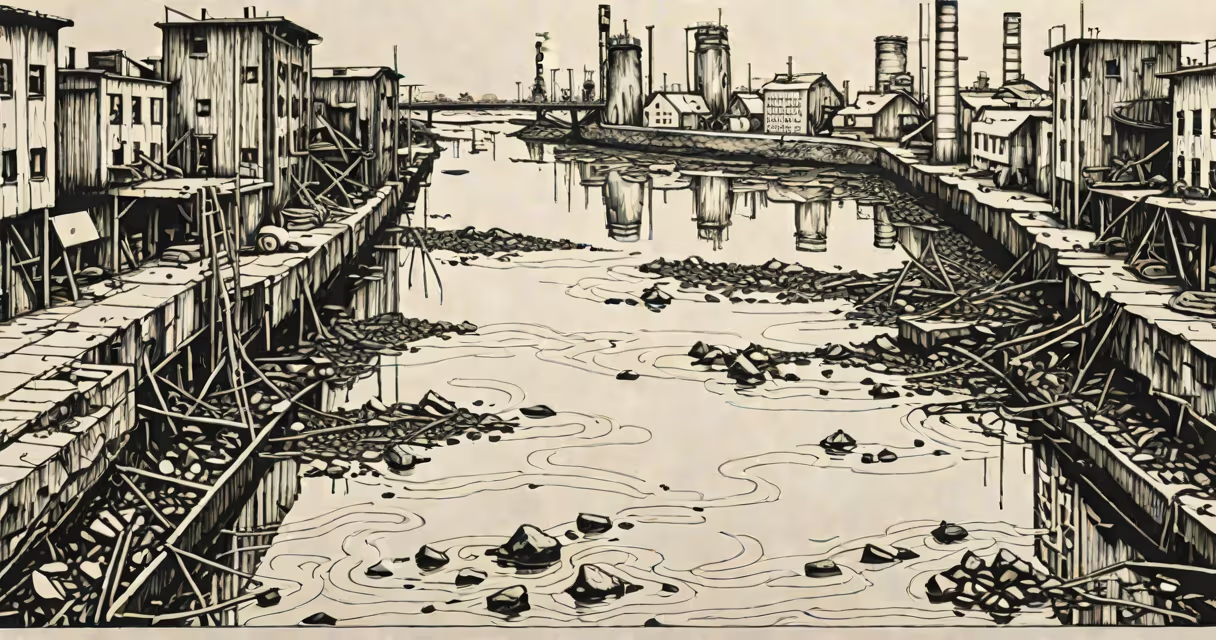
Water pollution is the contamination of water bodies-rivers, lakes, oceans, groundwater-by chemicals, microorganisms, or physical materials that degrade water quality and harm living organisms. It results from human activity, natural events, or a combination of both.
When pollutants enter water systems, they disrupt aquatic life, reduce oxygen levels, and make water unsafe for drinking, bathing, or agriculture. The presence of toxic substances like lead, pesticides, or pathogens such as E. coli indicates significant pollution. These contaminants originate from industrial discharge, agricultural runoff, sewage overflow, and improper disposal of household waste.
Water pollution is not limited to visible debris. Invisible threats like microplastics, heavy metals, and pharmaceutical residues accumulate over time and persist in ecosystems. For example, mercury from coal-fired power plants enters rivers and bioaccumulates in fish, eventually reaching humans who consume them. According to the World Health Organization, 2 billion people globally use a drinking water source contaminated with feces, leading to diseases like cholera and typhoid.
Water pollution begins when waste enters a water system through direct discharge or runoff. Rainwater carries pollutants from roads, farms, and construction sites into nearby streams. Industrial facilities may release untreated effluent into rivers under regulatory loopholes or due to equipment failure. Sewage treatment plants can overflow during heavy rainfall, releasing raw wastewater into waterways.
Once pollutants enter water, they spread via currents and mix with sediments. Some substances sink, others float, and many dissolve. Dissolved pollutants such as nitrates and phosphates trigger algal blooms. When algae die and decompose, bacteria consume oxygen, creating hypoxic zones-dead zones-where fish and other species cannot survive.
For example, the Gulf of Mexico's dead zone spans over 6,000 square miles annually, caused primarily by nitrogen runoff from Midwestern farmland. This runoff originates from synthetic fertilizers applied to corn and soybean fields. The Mississippi River transports these nutrients downstream, fueling massive algal growth that depletes oxygen in coastal waters.
Water pollution falls into several categories based on origin and chemical nature. The most common types include:
| Type | Common Pollutants | Primary Sources | Environmental Impact |
|---|---|---|---|
| Chemical | Pesticides, heavy metals, solvents | Agriculture, industry, mining | Neurotoxicity in wildlife, cancer risk in humans |
| Biological | Bacteria, viruses, parasites | Sewage, animal waste, stormwater | Disease outbreaks, eutrophication |
| Physical | Plastic debris, sediment, heat | Urban runoff, deforestation, power plants | Habitat destruction, reduced light penetration |
| Nutrient | Nitrates, phosphates | Fertilizer runoff, detergents | Algal blooms, oxygen depletion |
Biological pollution often goes unnoticed until illness spreads. In 2018, a waterborne outbreak of cryptosporidiosis in Milwaukee affected over 400,000 residents after sewage infiltrated the city's water supply. The parasite survived standard chlorination methods, highlighting the limits of conventional treatment.
Heat pollution is another overlooked form. Power plants draw water from rivers for cooling and return it warmer. A 2°C rise in temperature reduces dissolved oxygen, stressing fish and altering breeding cycles. The U.S. Environmental Protection Agency (EPA) identifies thermal pollution as a contributor to fish kills in over 20% of monitored waterways.
Many assume that clean-looking water is safe. But clarity doesn't indicate purity. A river may appear pristine yet contain invisible toxins like PFAS-per- and polyfluoroalkyl substances-used in firefighting foams and non-stick coatings. These compounds resist degradation and have been detected in 97% of U.S. tap water samples, according to a 2021 study by the Environmental Working Group.
Another misconception is that water pollution only affects developing nations. While access to clean water remains a challenge in low-income regions, high-income countries still face serious issues. In Flint, Michigan, lead leached into drinking water from corroded pipes between 2014 and 2015, exposing over 100,000 residents-mostly low-income families-to dangerous levels. The crisis was preventable and stemmed from cost-cutting decisions, not lack of technology.
Some confuse water pollution with water scarcity. They are distinct problems. Scarcity refers to insufficient volume; pollution refers to degraded quality. A region can suffer both simultaneously-like parts of India's Ganges River basin, where water is both overused and heavily contaminated with industrial waste and untreated sewage.
In 1969, the Cuyahoga River in Cleveland, Ohio, caught fire due to decades of industrial dumping. Oil slicks and chemical waste had accumulated in the riverbed. The fire drew national attention and became a symbol of unchecked pollution. Though the river burned briefly, the event catalyzed environmental reform.
Following the incident, Congress passed the Clean Water Act in 1972. The law established federal standards for pollutant discharge and empowered the EPA to enforce regulations. By 2000, the Cuyahoga had improved enough to support fish populations again. Today, it hosts recreational boating and wildlife viewing. This transformation shows that water pollution is reversible with sustained policy and enforcement.
I witnessed the cleanup firsthand in 2015 while volunteering with a local conservation group. We collected trash, tested pH levels, and planted native vegetation along the banks. The river's recovery wasn't instant-it took years of monitoring and community involvement-but progress was measurable. The Cuyahoga's story proves that action works.
Water pollution threatens biodiversity, public health, and economic stability. Contaminated water causes an estimated 1.8 million deaths annually worldwide, according to the WHO. Diseases like hepatitis A, dysentery, and giardiasis are linked to poor sanitation and polluted sources.
From a food security standpoint, polluted water harms fisheries and crops. In Bangladesh, arsenic-contaminated groundwater has led to widespread poisoning, affecting over 20 million people. Arsenic accumulates in rice paddies, entering the food chain and causing long-term health issues including skin lesions and organ failure.
Addressing water pollution requires coordinated effort across sectors. Governments must enforce standards. Industries must adopt cleaner processes. Communities must monitor local water sources. Everyone shares responsibility for protecting this finite resource.