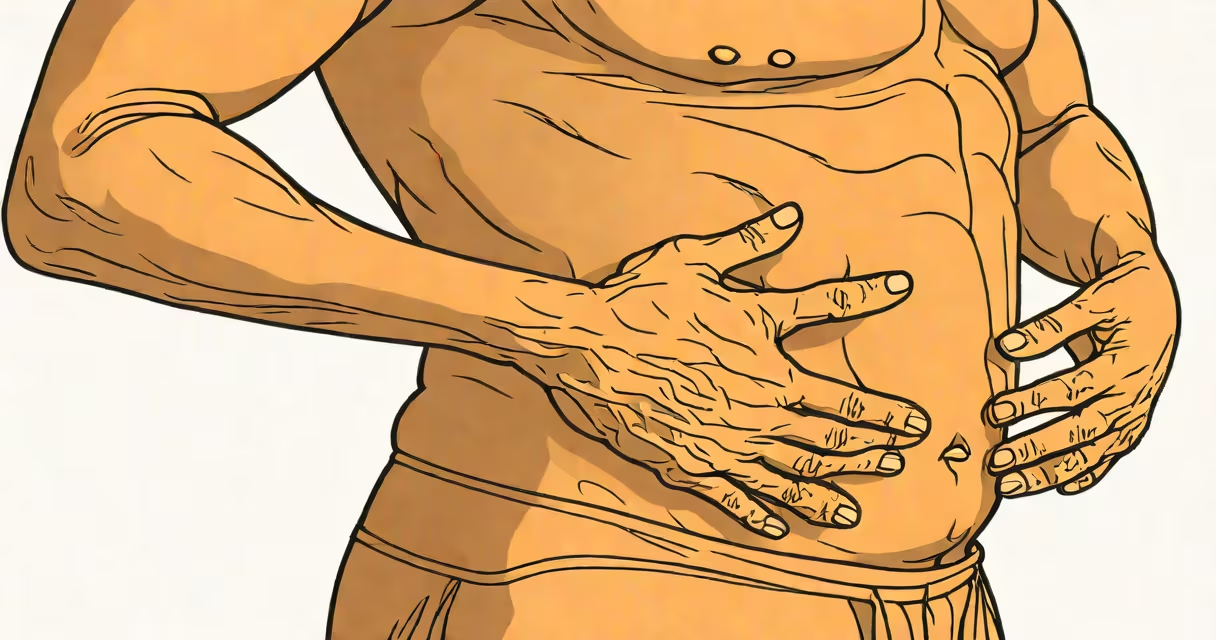
Left abdominal pressure refers to a sensation of tightness, fullness, or discomfort localized to the left side of the lower abdomen, typically between the navel and the hip bone. It may feel dull, sharp, or cramp-like and often occurs during movement, bowel movements, or prolonged standing. This condition can stem from muscular strain, gastrointestinal disturbances, or structural issues like hernias.
The sensation arises when nerves in the abdominal wall, internal organs, or surrounding muscles send signals to the brain indicating stress or irritation. Unlike generalized bloating, left abdominal pressure often correlates with specific triggers such as eating certain foods, physical exertion, or changes in posture. It is not a diagnosis but a symptom that points to underlying physiological activity.
According to the American College of Gastroenterology, left-sided abdominal discomfort accounts for approximately 15% of outpatient GI visits, with irritable bowel syndrome (IBS) and diverticulosis being leading contributors. The location matters: pain below the beltline on the left side typically involves the descending colon, left kidney, or left inguinal region.
Pressure in the left lower abdomen results from increased intra-abdominal tension or nerve irritation. Common mechanisms include gas buildup in the sigmoid colon, muscle spasms from overuse or poor posture, or organ displacement due to weakened connective tissue. In some cases, the pressure stems from referred pain originating in the spine or pelvis.
For example, a 42-year-old male reported sharp left abdominal pressure after lifting heavy boxes at work. He described the pain as "like something was pulling inward" and noticed a small bulge near his left groin. A physical exam revealed a reducible inguinal hernia. After surgical repair, the pressure resolved within four weeks.
Internal organs play a role too. The descending colon, which processes waste on the left side, can cause pressure when impacted or inflamed. Conditions like diverticulitis-where small pouches in the colon wall become infected-can produce localized pressure, especially during bowel movements. The National Institute of Diabetes and Digestive and Kidney Diseases notes that 10% of adults over 40 develop diverticulosis, though many remain asymptomatic.
Left abdominal pressure varies by origin. The most frequent causes fall into three categories: gastrointestinal, musculoskeletal, and structural. Each has distinct patterns and diagnostic markers.
| Type | Common Causes | Key Features | Diagnostic Clues |
|---|---|---|---|
| Gastrointestinal | IBS, constipation, diverticulitis, food intolerance | Pain worsens after meals, improves with defecation; may include bloating or altered stool | Stool frequency changes, blood in stool, fever |
| Musculoskeletal | Strained rectus abdominis, iliopsoas strain, poor core stability | Pain increases with twisting, bending, or coughing; localized tenderness | Palpable muscle tightness; pain diminishes with rest |
| Structural | Inguinal hernia, retroperitoneal mass, kidney stones | Visible bulge, sudden onset, radiating pain to groin or back | Ultrasound or CT scan shows hernia sac or stone in ureter |
A key distinction often missed is that not all left abdominal pressure originates in the gut. A study published in Annals of Internal Medicine found that 37% of patients presenting with left-sided abdominal pain had non-GI causes, including musculoskeletal strain and referred spinal pain. This highlights the need for differential diagnosis rather than assuming digestive origins.
Left abdominal pressure is frequently mislabeled as "gas," "bloating," or "stress-related." While these can contribute, they don't explain persistent or worsening pressure. For instance, chronic left abdominal pressure lasting more than two weeks with weight loss or blood in stool should raise concern for colorectal cancer, even in younger adults.
Another common error is attributing the sensation solely to diet. While high-fiber intake can increase gas production, it doesn't cause true pressure from organ displacement or muscle dysfunction. A patient with a left-sided inguinal hernia reported daily pressure that worsened when standing. He initially blamed spicy food, but imaging confirmed a 2.5 cm hernia sac protruding through the inguinal canal.
Left abdominal pressure differs from flank pain-pain along the sides of the back near the kidneys. Flank pain typically radiates from the back to the front and may indicate kidney stones or infection. Left abdominal pressure remains more anterior and centered around the lower abdomen.
Seek care if left abdominal pressure persists beyond seven days, worsens with time, or includes red flags: fever, unexplained weight loss, blood in stool, inability to pass gas, or a visible bulge. These signs suggest complications requiring imaging or surgical intervention.
I once evaluated a 36-year-old woman who had experienced intermittent left abdominal pressure for six months. She attributed it to "digestive sensitivity" and avoided trigger foods. After a pelvic ultrasound revealed a small ovarian cyst and a CT scan detected a mild sigmoid diverticulosis, she underwent targeted treatment. Her symptoms improved after dietary adjustments and antibiotics.
Left abdominal pressure is not a standalone illness. It is a signal. Identifying its root-whether gastrointestinal, musculoskeletal, or anatomical-leads to effective management. Ignoring it risks delaying diagnosis of serious conditions. If pressure persists, consult a healthcare provider for accurate assessment and tailored care.