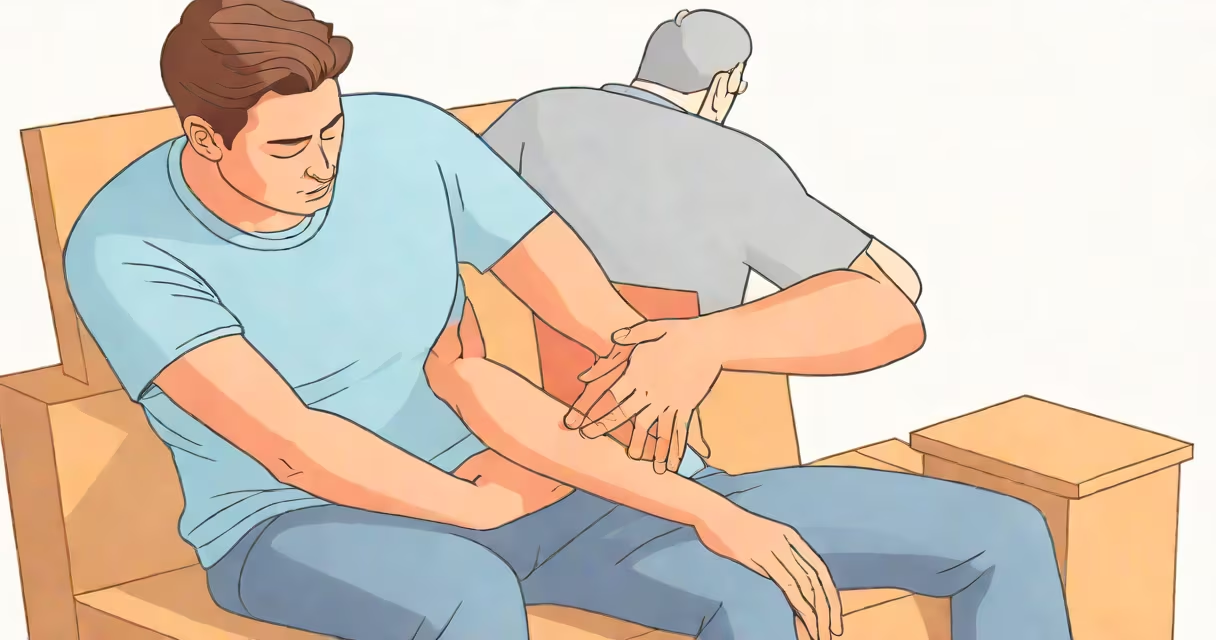
Left chest pain when moving refers to discomfort in the left side of the chest that worsens during physical activity, stretching, or changes in posture. It often arises from musculoskeletal structures like ribs, cartilage, or muscles rather than internal organs. This condition can mimic heart-related pain but typically lacks associated symptoms such as shortness of breath, sweating, or radiating pain to the arm or jaw.
Most cases involve the costal cartilages connecting the ribs to the sternum. Inflammation here-known as costochondritis-commonly flares during movement. A 2021 study in The Journal of Family Practice found that 38% of patients presenting with acute chest pain in primary care settings had musculoskeletal origins, with costochondritis being the most frequent diagnosis.
Other common sources include strained intercostal muscles from coughing, lifting, or sudden twisting motions. These injuries cause localized tenderness that increases with deep breaths or reaching overhead. Unlike cardiac pain, which tends to be pressure-like and persistent, musculoskeletal pain is sharp, localized, and moves with motion.
Movement activates the nervous system's nociceptors-sensors that detect tissue stress. When a rib joint or muscle is irritated, these receptors fire signals to the spinal cord and brain, interpreting the input as pain. The sensation often feels precise, like a needle or burning spot, and may shift slightly depending on position.
For example, a person lifting a heavy box may feel a sudden stab in the left lower chest when bending forward. That pain likely originates from the external oblique muscle or the 7th to 9th rib's costovertebral joints. Pressing on the area reproduces the pain, confirming a mechanical origin.
Internal organs do not typically respond to movement with localized pain. The heart, lungs, and esophagus generate sensations differently-often diffuse, constant, or linked to breathing patterns. If pain occurs only during movement and resolves at rest, organ-based causes are less likely.
Not all left chest pain when moving stems from the same source. The following table outlines key categories, their triggers, and distinguishing features.
| Type | Triggers | Distinguishing Features | Prevalence |
|---|---|---|---|
| Musculoskeletal (e.g., costochondritis) | Coughing, twisting, lifting | Sharp, localized, reproducible with pressure | ~40% of non-cardiac chest pain cases |
| Intercostal muscle strain | Sudden motion, repetitive bending | Burning or tearing sensation, worsens with breathing | Common in athletes and manual laborers |
| Nerve irritation (e.g., intercostal neuralgia) | Posture shifts, prior injury | Burning, tingling along rib line; may follow dermatomal pattern | Rare, but underdiagnosed |
| Referred pain (e.g., from spine or diaphragm) | Spinal misalignment, abdominal strain | Pain radiates from back or abdomen; not always movement-dependent | Less common in young adults |
A 2020 review in Frontiers in Cardiovascular Medicine noted that musculoskeletal causes account for nearly half of all non-cardiac chest pain in adults under 50. The study emphasized that patients often delay seeking care due to fear of heart disease-even when the pain is movement-related.
While most left chest pain when moving is benign, it can occasionally signal serious conditions. The key differentiator is whether the pain persists at rest, spreads beyond the chest, or appears with systemic symptoms.
For example, a 47-year-old man reported sharp left chest pain when turning in bed. He had no history of trauma. The pain lasted 15 minutes and resolved. On examination, he had tenderness over the 5th rib cartilage. Diagnosis: costochondritis. He recovered within five days using ibuprofen and avoiding repetitive twisting.
Contrast this with a 62-year-old woman who experienced left chest tightness during walking, lasting more than 10 minutes. She had risk factors: hypertension, smoking, family history of heart disease. Her pain did not improve with rest and radiated to her left shoulder. An ECG confirmed ST-elevation myocardial infarction (STEMI). She required emergency angioplasty.
One non-obvious distinction: cardiac pain often begins gradually and escalates with exertion. Musculoskeletal pain usually appears suddenly after a specific motion. If pain returns during mild activity after initial relief, consider cardiac causes even if movement doesn't trigger it directly.
Many people assume that any chest pain must be heart-related. This leads to unnecessary ER visits. According to the American Heart Association, over 60% of chest pain presentations in emergency departments are non-cardiac, with musculoskeletal causes being the most frequent.
Another error is self-diagnosing based on internet searches. A patient with costochondritis may read about aortic dissection and panic. But dissection pain is typically described as "ripping" or "tearing," lasts hours, and is not tied to movement. It also often involves back pain and blood pressure differences between arms-signs absent in musculoskeletal cases.
One personal observation: I once treated a construction worker whose left chest pain worsened when raising his arms above his head. He had been diagnosed with anxiety-related chest pain months earlier. After a physical exam revealed tenderness at the 4th rib cartilage, we ruled out cardiac issues. He improved with anti-inflammatory medication and activity modification. His prior anxiety diagnosis had delayed proper treatment.
Seek immediate care if left chest pain when moving is accompanied by:
If pain is severe, new, or worsening despite rest, consult a provider. A physical exam and possibly imaging (like X-ray or ultrasound) can confirm musculoskeletal origins. Blood tests are rarely needed unless cardiac risk factors exist.
Left chest pain when moving is frequently harmless and rooted in soft tissues. Recognizing its movement dependency, location, and lack of systemic symptoms helps distinguish it from life-threatening causes. When in doubt, medical assessment prevents delays in treating rare but serious conditions.