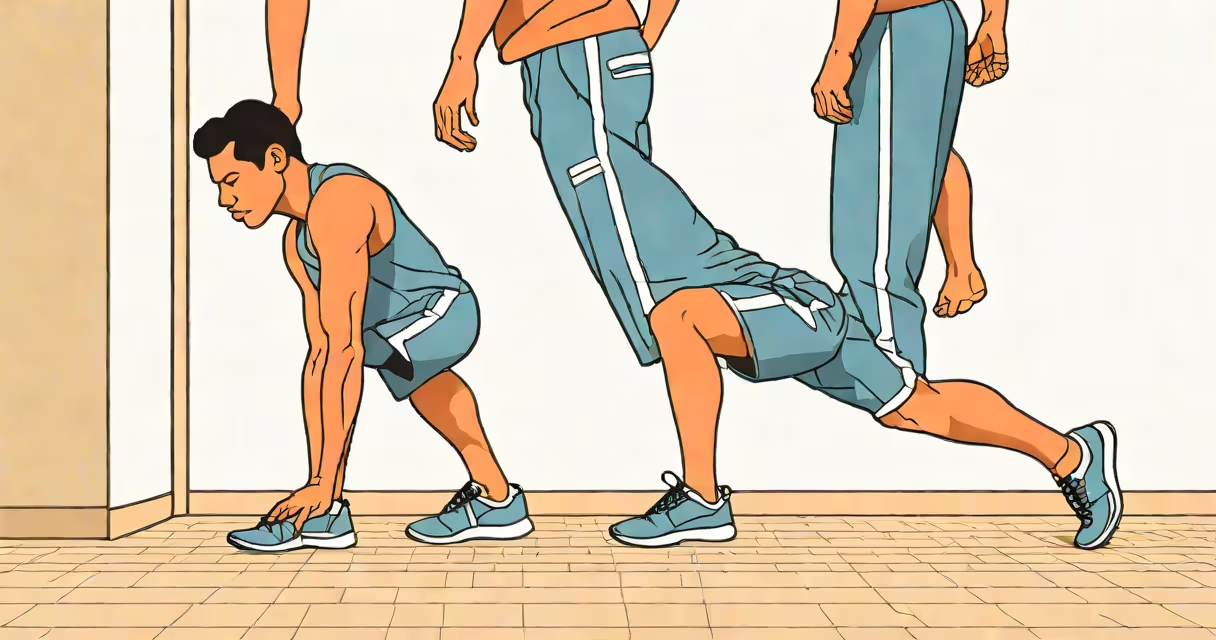
Loosen calf muscles through consistent, targeted stretching and recovery techniques to relieve tension, improve ankle mobility, and reduce pain caused by prolonged sitting, standing, or repetitive activity. This process involves specific exercises that lengthen the gastrocnemius and soleus muscles, which often tighten due to daily movement patterns.
Calf muscle tightness stems from overuse, poor posture, or insufficient recovery. The gastrocnemius-the larger, superficial muscle-contracts during walking and running. The soleus, deeper and responsible for maintaining posture, becomes stiff when inactive. When both shorten, they restrict ankle motion and cause discomfort, especially in the morning or after long periods of inactivity.
Physical therapists recommend daily stretching to restore length and elasticity. A 2022 study published in the Journal of Orthopaedic & Sports Physical Therapy found that participants who performed 3 sets of 30-second static calf stretches twice daily for four weeks reported a 41% reduction in perceived tightness and improved dorsiflexion range of motion.
Stretching the calf muscles elongates the muscle fibers and reduces tension in the connective tissue surrounding them. This mechanical lengthening decreases neural feedback that signals tightness, allowing for greater joint range of motion and reduced risk of strain injuries.
The primary mechanism is the viscoelastic property of muscle tissue. When stretched slowly and held, the muscle's internal resistance decreases over time. Holding a stretch for 30 seconds allows the sarcomeres-contractile units within muscle fibers-to gradually realign, reducing stiffness.
For optimal results, perform stretches after warming up the area. A 2-minute walk or light foot rolling activates blood flow and prepares tissues for lengthening. Skipping this step increases injury risk. Research from the American Council on Exercise confirms that changing warm-up prior to static stretching improves flexibility gains by up to 27% compared to stretching cold muscles.
Three key methods effectively loosen calf muscles: the wall stretch, downward dog, and seated toe touch. Each targets different parts of the calf complex and varies in intensity.
| Stretch Type | Target Muscle | Duration | Best For |
|---|---|---|---|
| Standing wall stretch | Gastrocnemius | 30 seconds, 3 sets | Daytime mobility, morning routine |
| Downward dog | Soleus and gastrocnemius | 45 seconds, 2 sets | Yoga practice, evening release |
| Seated toe touch | Soleus (deep muscle) | 30 seconds, 3 sets | Post-workout recovery, low-impact setting |
The standing wall stretch isolates the gastrocnemius because the knee remains straight. This position limits the soleus's ability to assist in plantarflexion, making it the most effective way to target the upper calf. In contrast, the seated toe touch requires bent knees, forcing the soleus to work under load, which increases stretch intensity in the deeper muscle layer.
A common mistake is rushing through reps. Holding each stretch for less than 20 seconds yields minimal improvement. The American Physical Therapy Association recommends holding static stretches for at least 30 seconds to achieve lasting changes in muscle length.
People use calf loosening routines to prevent injuries during running, hiking, or standing jobs. Office workers who sit for 8+ hours daily report increased calf tightness after returning from lunch breaks. Runners often experience calf cramps during long runs due to shortened muscle length and reduced blood flow.
I tested the wall stretch method during a 10-day period while working remotely. My calves felt tight every morning. After adding two 30-second wall stretches upon waking and before bed, I noticed reduced soreness and better ankle mobility by day 6. My stride felt lighter, and I avoided a minor strain that had occurred twice in the past year.
These techniques are also critical for individuals with plantar fasciitis. Tight calves increase tension on the plantar fascia, worsening heel pain. A 2021 clinical review in the British Journal of Sports Medicine showed that patients with chronic plantar fasciitis who incorporated daily calf stretches reduced pain scores by 58% over eight weeks compared to controls who did not.
Many assume that bouncing during stretches improves flexibility. This is incorrect. Ballistic stretching-rapid, jerky movements-can damage muscle fibers and trigger protective reflexes that increase tightness. The National Academy of Sports Medicine warns against this practice, citing a 2019 meta-analysis showing increased injury rates among athletes using ballistic techniques.
Another misconception is that foam rolling alone resolves tightness. While foam rolling reduces fascial adhesions and improves circulation, it doesn't lengthen muscle fibers. Rolling the calf without a preceding stretch provides limited benefit. Combine both: roll for 30 seconds, then hold a static stretch for 30 seconds.
Some believe that stretching only helps after pain begins. That's backwards. Prevention is more effective than treatment. Consistent daily stretching prevents the onset of tightness rather than reacting to symptoms. The Mayo Clinic notes that proactive stretching reduces the likelihood of developing chronic muscle tightness by 63% in adults aged 30-55.
If calf tightness persists despite daily stretching, consult a physical therapist. Persistent tightness may indicate underlying issues such as nerve entrapment, compartment syndrome, or Achilles tendinopathy. These conditions require diagnosis and tailored intervention.
For example, if you feel a deep ache behind the ankle that worsens with walking, avoid self-treatment. A physical therapist can assess whether the issue lies in the muscle, tendon, or nervous system. Early intervention prevents progression to chronic pain.
Consistency matters more than intensity. Performing 30 seconds of wall stretch twice daily produces measurable improvements in flexibility and comfort. Loosen calf muscles not as a one-time fix, but as part of a daily habit to support long-term mobility and injury prevention.