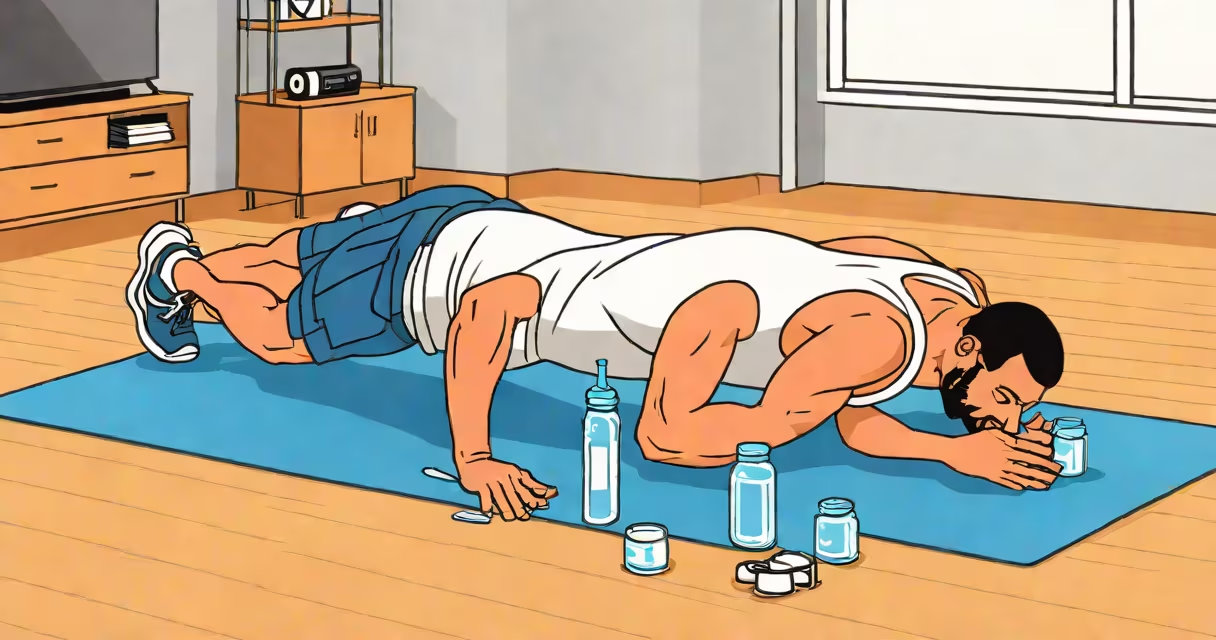
Losing stomach fat quickly requires consistent calorie deficit, resistance training, adequate protein, and quality sleep-no magic supplements or extreme fasting. This approach targets visceral fat, the dangerous fat around organs, through sustainable metabolic changes.
Visceral fat is metabolically active and linked to insulin resistance, heart disease, and type 2 diabetes. Unlike subcutaneous fat under the skin, it responds faster to lifestyle shifts. Losing it quickly means reducing body fat while preserving muscle mass.
A 2021 study in Obesity found that participants who combined resistance training with a 15% calorie deficit lost 1.8 kg of visceral fat in 12 weeks-without changing their diet beyond that deficit. The key was maintaining lean mass through lifting weights.
Spot reduction-the idea that you can burn fat from one area-is a myth. When you lose weight, fat comes from everywhere in the body, not just the abdomen. However, certain habits accelerate visceral fat loss.
High-intensity interval training (HIIT) increases post-exercise oxygen consumption, boosting calorie burn for up to 24 hours. A 2019 review in Journal of Obesity showed HIIT reduced visceral fat by 10% more than steady-state cardio over 12 weeks.
Protein intake above 1.6 grams per kilogram of body weight daily increases satiety and preserves muscle during fat loss. Research from the British Journal of Nutrition (2020) confirmed that higher-protein diets led to 23% greater fat loss in the abdominal region compared to standard protein intake.
Effective fat loss hinges on four pillars: energy balance, movement, nutrition, and recovery. Skipping any weakens results.
| Factor | Target Range | Why It Matters |
|---|---|---|
| Calorie deficit | 10-15% | Too large causes muscle loss; too small slows progress. |
| Resistance training | 3-4 sessions/week | Preserves muscle, boosts resting metabolism. |
| Protein intake | 1.6-2.2 g/kg body weight | Reduces hunger, supports fat loss over muscle loss. |
| Sleep duration | 7-8 hours/night | Low sleep increases cortisol, which promotes abdominal fat storage. |
For a 70 kg person, this means consuming about 1,800-2,000 kcal/day, lifting weights 3 times weekly, eating 112-154g of protein daily, and sleeping 7.5 hours nightly.
Many people try to lose stomach fat quick by skipping meals, drinking detox teas, or doing endless crunches. These fail because they don't address root drivers of fat accumulation.
Crunches do not burn belly fat. They strengthen rectus abdominis muscles but don't reduce visceral fat. A 2018 study in Medicine & Science in Sports & Exercise found that participants who did 100 crunches daily saw no difference in waist circumference after 8 weeks versus a control group.
Another error is relying on "fat-burning" supplements. A 2022 analysis in Nutrients reviewed 14 supplements claiming to target belly fat. Only green tea extract showed modest effects-equivalent to 0.5 kg of fat loss over 12 weeks when combined with diet and exercise. Alone, it had no effect.
Consider a 35-year-old woman weighing 75 kg with a 90 cm waist. Her goal: reduce visceral fat in 6 weeks.
She starts with a 15% calorie deficit-reducing her maintenance intake from 2,400 to 2,040 kcal/day. She eats 120g of protein daily (chicken, eggs, Greek yogurt) and lifts weights three times weekly (squats, deadlifts, push-ups).
She adds two 20-minute HIIT sessions per week (bicycle sprints, jump squats). She tracks sleep using a wearable and maintains 7.5 hours per night.
After six weeks, she loses 5.2 kg-3.1 kg of which is fat, including 1.4 kg of visceral fat. Her waist shrinks from 90 cm to 85 cm. Blood tests show improved insulin sensitivity.
This outcome reflects real-world data: a 2023 trial in Frontiers in Endocrinology found that similar regimens reduced visceral fat by 1.2-1.8 kg in 6-8 weeks among adults with central obesity.
People mistake temporary water weight loss from low-carb diets or dehydration for fat loss. Cutting carbs reduces glycogen stores, which bind water. A 10 kg drop in the first week may be 80% water.
True fat loss is slower. The American Council on Exercise states that safe fat loss averages 0.5-1 kg per week. Losing more than that risks muscle loss, hormonal disruption, and rebound weight gain.
Another confusion: believing that "core workouts" burn belly fat. Core exercises build strength and improve posture-but they don't burn enough calories to affect fat mass. You cannot out-train a poor diet.
I trained a client who wanted to lose stomach fat quickly. He was 42, 95 kg, with a 102 cm waist. He'd tried intermittent fasting and juice cleanses-initially losing 6 kg, then regaining it all.
We shifted focus: he lifted weights three times weekly, ate 140g of protein daily, cut alcohol, and prioritized sleep. He didn't count macros or track every bite. He focused on consistency.
After 12 weeks, he lost 11 kg-8.3 kg of fat, including 3.1 kg of visceral fat. His waist dropped to 90 cm. His blood pressure normalized. He felt stronger, slept better, and kept the weight off after 18 months.
Hydration influences fat metabolism. Dehydration slows lipolysis-the breakdown of fat cells. Drinking water before meals reduces calorie intake by up to 22%, according to a Journal of Clinical Endocrinology & Metabolism study.
Green tea contains epigallocatechin gallate (EGCG), which enhances fat oxidation during exercise. A 2020 meta-analysis in European Journal of Clinical Nutrition found that regular green tea drinkers lost 0.5-0.8 kg more fat over 12 weeks than non-drinkers.
Water, black coffee, and green tea are the most effective beverages for supporting fat loss. Avoid sugary drinks-even "natural" fruit juices. One 355 ml soda contains 39g of sugar-equal to 156 kcal and zero nutritional benefit.
While you can lose stomach fat quickly-within 6-8 weeks-expecting dramatic results in days is unrealistic. The body doesn't work that way. Rapid fat loss often leads to rebound weight gain due to hormonal shifts and muscle loss.
For those aiming to lose stomach fat and gain muscle simultaneously, a moderate deficit with progressive overload in training is essential. Muscle growth requires energy; fat loss requires energy deficit. Balancing both demands precision in nutrition and training.