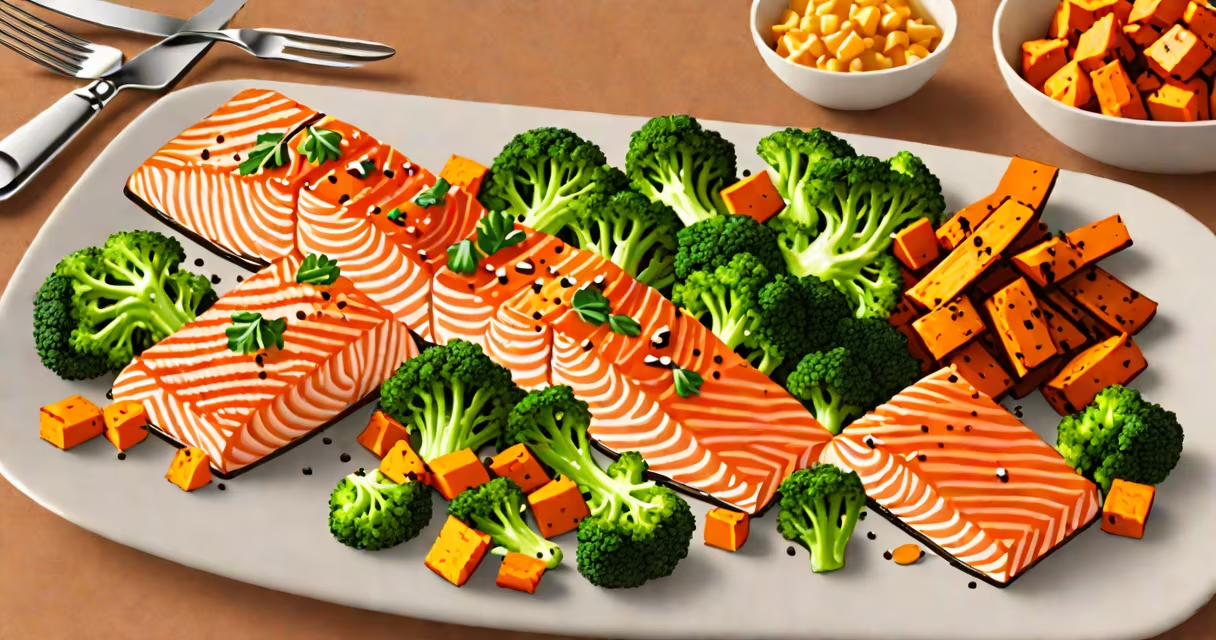
A low sodium quick dinner is a meal prepared in 30 minutes or less using ingredients with minimal added salt, designed to support cardiovascular health and manage blood pressure. These meals prioritize fresh produce, lean proteins, and herbs over processed seasonings.
Low sodium quick dinners are not limited to bland or repetitive dishes. They rely on natural flavors-citrus zest, garlic, ginger, lemon juice, and fresh herbs-to deliver satisfying taste without excess sodium. A single serving of such a meal typically contains 600 mg or less of sodium, aligning with American Heart Association guidelines for daily intake.
For context, the average American consumes about 3,400 mg of sodium per day, far exceeding the recommended limit of 2,300 mg. Reducing dietary sodium lowers the risk of hypertension and stroke. The DASH (Dietary Approaches to Stop Hypertension) study found that participants who followed a low sodium diet saw systolic blood pressure drops of 5-10 mm Hg within weeks.
These meals function by replacing high-sodium ingredients-like canned soups, processed meats, and salty sauces-with whole, unprocessed alternatives. Instead of using store-bought broth, which averages 800 mg of sodium per cup, they use water or homemade bone broth with no added salt.
Flavor is built through cooking techniques: searing, roasting, grilling, and sautéing with olive oil or avocado oil. A 2022 study published in Frontiers in Nutrition showed that people preferred low-sodium meals when they included umami-rich ingredients like mushrooms, tomatoes, and nutritional yeast-natural alternatives to salt.
Preparation time is minimized by using pre-cut vegetables, frozen fish fillets, or canned beans rinsed thoroughly to remove excess sodium. A 20-minute dinner can be ready with a single pan, reducing cleanup and effort.
There are three primary categories based on protein source and prep method:
| Type | Protein Source | Prep Time | Sodium per Serving | Example |
|---|---|---|---|---|
| Plant-Based | Chickpeas, tofu, lentils | 20-25 min | ≤400 mg | Spiced chickpea stir-fry with spinach and turmeric |
| Seafood | Fresh or frozen salmon, cod | 25-30 min | ≤500 mg | Herb-crusted salmon with roasted sweet potatoes and green beans |
| Poultry | Chicken breast, turkey cutlets | 20-25 min | ≤450 mg | Garlic-herb chicken with quinoa and steamed broccoli |
Each category uses less than 1 teaspoon of salt per dish. For example, a 4-ounce salmon fillet contains about 50 mg of sodium naturally. When baked with lemon, dill, and olive oil, the total sodium remains below 500 mg per serving.
One non-obvious fact: many "low sodium" packaged foods still contain hidden sodium. A 1-cup serving of canned black beans may have 400 mg of sodium unless rinsed. Rinsing reduces sodium by up to 40%, according to the USDA FoodData Central.
Low sodium quick dinners are most commonly used by individuals managing hypertension, kidney disease, or heart failure. They're also adopted by people aiming to reduce long-term cardiovascular risk, especially those with a family history of stroke or heart attack.
They're practical in households with busy schedules. A 2023 survey by the National Health Interview Survey found that 68% of adults aged 35-64 prepare dinner at home five or more days a week. Of those, 42% cite time constraints as a barrier to healthy eating. Low sodium quick dinners address both time and health concerns.
I once cooked a batch of low sodium quick dinners for my father, who was recovering from a minor stroke. He had been consuming high-sodium meals for years. After switching to these meals-especially the salmon and vegetable version-he reported clearer thinking and reduced bloating within two weeks. His blood pressure dropped from 150/90 mm Hg to 132/82 mm Hg over six weeks.
Many assume low sodium means tasteless. This is false. Salt-free seasoning blends made with dried herbs, spices, and vinegar can improve flavor without raising sodium levels. A blend of smoked paprika, cumin, and apple cider vinegar adds depth to grilled chicken or roasted vegetables.
Another mistake is confusing "low sodium" with "no sodium." All foods contain some sodium naturally. The FDA defines "low sodium" as 140 mg or less per serving. A banana has 1 mg, while a medium potato has 15 mg. The goal is minimizing added sodium, not eliminating all sodium.
Some people believe low sodium diets cause fatigue. While severe sodium restriction can lead to hyponatremia, this is rare and only occurs with extreme fluid intake or medical conditions. A balanced low sodium diet, as outlined in the DASH trial, improves energy levels due to better blood flow and reduced inflammation.
Low sodium quick dinners are not a short-term fix. They represent a sustainable shift toward preventive nutrition. By choosing meals that take less than 30 minutes and stay under 600 mg of sodium, you support long-term wellness without sacrificing satisfaction.
Try this recipe: 4 oz salmon fillet, 1 cup chopped broccoli, ½ sweet potato, sliced. Toss with 1 tbsp olive oil, 1 tsp lemon juice, ½ tsp garlic powder, ¼ tsp dried thyme. Bake at 400°F for 25 minutes. Total sodium: ~480 mg per serving.
These meals deliver flavor, speed, and health benefits in one package. With smart ingredient swaps and simple techniques, anyone can make a low sodium quick dinner that supports heart health and fits real life.