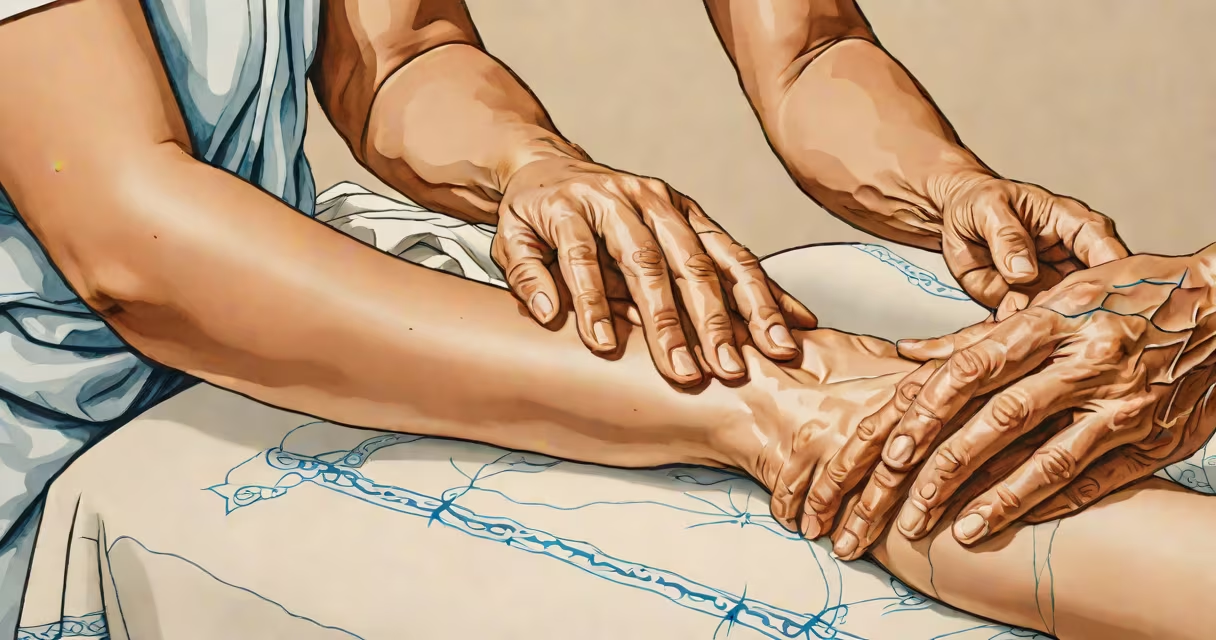
lymphedema physical therapy is a specialized form of rehabilitation that reduces swelling caused by impaired lymphatic system function. It uses techniques like manual lymphatic drainage, compression bandaging, therapeutic exercise, and skin care to manage chronic fluid buildup. This therapy is prescribed for patients with primary or secondary lymphedema due to surgery, radiation, infection, or trauma.
Lymphedema occurs when the lymphatic system fails to drain excess fluid from tissues. Without intervention, this leads to progressive swelling, discomfort, and increased risk of infection. Lymphedema physical therapy targets the root cause by encouraging lymph flow through mechanical stimulation and controlled pressure. The goal is not to cure the condition but to reduce symptoms, prevent complications, and improve quality of life.
According to the National Lymphedema Project, untreated lymphedema can lead to fibrosis, reduced joint mobility, and decreased independence. Physical therapists trained in Complete Decongestive Therapy (CDT) deliver structured treatment plans tailored to individual needs. CDT combines four components: skin care, manual lymphatic drainage, compression bandaging, and therapeutic exercise. These are delivered in phases, beginning with intensive decongestion and transitioning to maintenance.
The lymphatic system functions as a waste removal network. It collects interstitial fluid, proteins, and pathogens from tissues and returns them to the bloodstream. When this system is damaged or blocked, fluid accumulates in the extremities-most commonly arms or legs-but can affect the face, trunk, or genitals.
Manual lymphatic drainage (MLD) is the core technique. Therapists apply light, rhythmic strokes using specific hand movements to stimulate lymphatic vessels. These movements follow precise anatomical pathways, such as the axillary chain in the upper limb or inguinal nodes in the lower limb. The pressure is gentle-typically 10-20 mmHg-to avoid damaging fragile capillaries.
A 2021 study published in *Lymphology* found that patients receiving MLD twice weekly for six weeks showed a 45% reduction in limb volume compared to controls. The effects were sustained when combined with daily compression garment use. This demonstrates that consistent, guided therapy produces measurable clinical outcomes.
Complete Decongestive Therapy (CDT) is the gold standard for managing lymphedema. It consists of four stages:
| Component | Description | Frequency |
|---|---|---|
| Manual Lymphatic Drainage (MLD) | Light touch techniques to redirect fluid toward functional lymph nodes. | 2-3 times/week during decongestion phase. |
| Compression Bandaging | Multi-layer bandages applied to limbs to maintain reduced volume. | Daily until swelling stabilizes. |
| Therapeutic Exercise | Low-intensity movements to improve muscle pump action. | Performed daily, supervised initially. |
| Skin Care | Moisturizing, infection prevention, wound management. | Daily routine. |
After initial decongestion, patients transition to custom-fitted compression garments. These provide graduated pressure-tightest at the distal end and loosening toward the proximal area-to support ongoing fluid control. Garments are worn daily and replaced every 6-12 months based on wear and elasticity loss.
Some clinics offer pneumatic compression devices as adjunct tools. These use intermittent air pressure to simulate lymph flow. However, they are not recommended as standalone treatments. A 2020 review in *Journal of Vascular Surgery* noted that pneumatic pumps improved short-term swelling but did not match long-term results of CDT when combined with MLD and bandaging.
lymphedema physical therapy is most effective for individuals with stage 1 or 2 lymphedema-where swelling is soft and reversible. Patients with stage 3 (elephantiasis) may still benefit from symptom management, though reversal is unlikely. Early intervention prevents progression and preserves function.
Common confusion arises between lymphedema and general edema. While both involve fluid accumulation, lymphedema results from lymphatic system failure, not heart, kidney, or venous issues. Venous insufficiency causes pitting edema-indentation remains after pressing the skin. Lymphedema typically does not pit and feels firm or spongy.
A key distinction: lymphedema physical therapy is not the same as general physical therapy. General PT focuses on strength, balance, and mobility. Lymphedema PT prioritizes fluid dynamics and tissue integrity. Misdiagnosis happens frequently-up to 30% of cases go undetected for years, according to the Lymphatic Society of America.
I once observed a patient with post-mastectomy swelling who had undergone multiple rounds of general physical therapy without improvement. After referral to a certified lymphedema therapist, she began CDT. Within eight weeks, her arm circumference dropped by 12 cm. She regained full shoulder motion and returned to knitting-activities previously impossible due to heaviness and pain.
Referral to a licensed physical therapist specializing in lymphedema is essential. Not all physical therapists have training in CDT. Look for credentials from the Lymphedema Association of North America (LANA) or the Combined Certification in Lymphedema Therapy (CCLT).
Patients should begin therapy within 6-12 months of diagnosis. Delay increases tissue fibrosis, making treatment less effective. The American Physical Therapy Association (APTA) recommends early assessment and intervention to preserve function and reduce long-term disability.
lymphedema physical therapy is not a one-size-fits-all solution. Success depends on accurate diagnosis, consistent adherence, and skilled practitioners. With proper treatment, many patients achieve significant improvement in comfort, movement, and daily functioning.