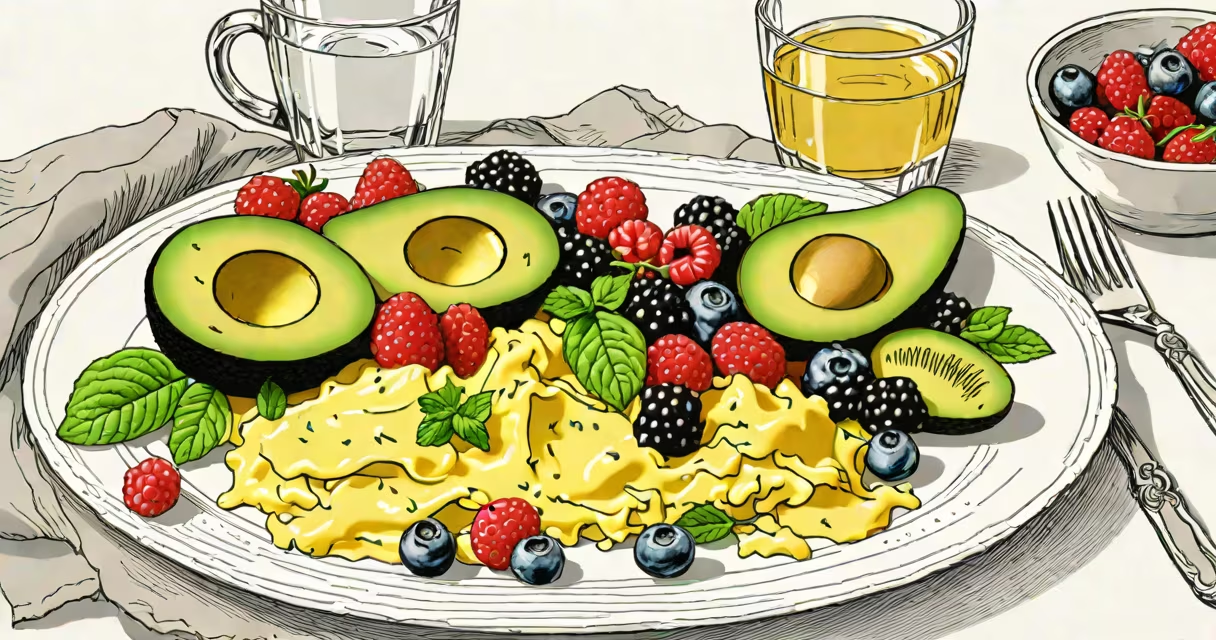
Meals to break a fast are nutrient-dense, low-glycemic foods consumed after a period of fasting to safely reintroduce calories and support metabolic recovery. These meals prioritize protein, healthy fats, and electrolytes over simple carbohydrates to minimize insulin spikes and digestive discomfort.
Fasting triggers cellular repair processes like autophagy and reduces insulin levels. Breaking the fast too abruptly with high-carb or sugary foods can reverse these benefits and cause symptoms like dizziness, nausea, or fatigue. The goal is to gently refeed the body while maintaining metabolic stability.
According to the American Council on Exercise (ACE), reintroducing food slowly after a 16-hour or longer fast reduces gastrointestinal distress and improves nutrient absorption. A 2021 study published in Cell Metabolism found that participants who consumed protein-rich meals within 30 minutes of ending a fast experienced better satiety and reduced hunger cravings compared to those who ate high-glycemic foods.
The body shifts from fat oxidation to glucose utilization during refeeding. Consuming meals rich in protein and healthy fats slows glucose release, preventing rapid insulin surges that can trigger fat storage and energy crashes.
Electrolytes-especially sodium, potassium, and magnesium-are depleted during extended fasts. Low levels contribute to muscle cramps, headaches, and mental fog. Including electrolyte-rich foods like avocados, leafy greens, and bone broth helps restore balance quickly.
A 2022 review in Nutrients emphasized that eating slowly and chewing thoroughly enhances digestion and reduces bloating. This is especially important after a fast, when gut motility may be suppressed. Chewing 20-30 times per bite improves enzyme activation and nutrient extraction.
Not all meals are equally effective for breaking a fast. The ideal meal includes protein, fiber, and healthy fats in balanced proportions. Here's a breakdown of effective and ineffective options:
| Meal Type | Why It Works | Why It Doesn't Work |
|---|---|---|
| Scrambled eggs with spinach and avocado | High in protein (6g per egg), healthy fats, and fiber. Low glycemic load. | Not applicable - this is a recommended option. |
| Grilled salmon with steamed broccoli and quinoa | Complete protein, omega-3s, complex carbs. Supports anti-inflammatory response. | Not applicable - this is a recommended option. |
| Smoothie with banana, oats, and honey | Provides quick energy but lacks sufficient protein and fat. | High in simple sugars. Can spike insulin and disrupt fasting benefits. |
| Bagel with cream cheese and fruit juice | Not recommended. High glycemic index, low protein. | Leads to blood sugar rollercoaster. Increases risk of rebound hunger. |
One non-obvious fact: the timing of your first meal matters. Research from the University of California, San Diego, shows that consuming a protein-rich meal within 30 minutes of ending a fast leads to higher resting metabolic rate over the next 24 hours compared to delayed refeeding.
Many people assume that any food is acceptable after a fast, but this leads to metabolic confusion. For example, drinking fruit juice-even 100% pure-after a 16-hour fast causes a rapid glucose spike. A 2020 study in Frontiers in Nutrition found that participants who drank orange juice after fasting had a 40% greater insulin response than those who ate whole fruit.
Another misconception is that fasting requires a "reset" meal every time. Not true. If you're doing a 12-hour fast, such as overnight, a regular breakfast is sufficient. Only extended fasts (16+ hours) require deliberate refeeding strategies.
I once broke a 20-hour fast with a bowl of oatmeal and maple syrup. Within 20 minutes, I felt lightheaded and nauseous. My blood sugar dropped sharply after the initial spike. Since then, I've always started with a small portion of eggs and a pinch of salt. That combination stabilizes my energy and prevents the crash.
High-glycemic foods like white bread, pastries, and sugary cereals should be avoided when breaking a fast. They trigger insulin release, which shuts down fat burning and can lead to energy crashes.
Alcohol is another pitfall. It interferes with liver function and depletes B vitamins. A 2019 study in Alcohol Research showed that consuming alcohol after a fast increases oxidative stress and impairs recovery.
Even seemingly healthy options like green smoothies can fail if they contain added sugars or large amounts of fruit. A single serving of a banana-based smoothie can deliver 30 grams of sugar-equivalent to a candy bar.
Start with a small, protein-focused meal. Aim for 20-30 grams of protein, 10-15 grams of healthy fat, and minimal carbohydrates. Examples include:
Drink water or herbal tea first. Rehydrate before eating. Dehydration worsens fatigue and brain fog during refeeding.
Wait at least 30 minutes after waking before eating. This allows cortisol to peak naturally, supporting alertness and metabolic readiness. Eating immediately upon waking can blunt this hormonal rhythm.
For longer fasts (over 24 hours), consider adding a small amount of bone broth or electrolyte drink before solid food. This supports hydration and mineral balance without triggering insulin.
Meals to break a fast are not about indulgence-they're about precision. The right food choices preserve the benefits of fasting while restoring energy and supporting long-term health. Prioritize protein, avoid refined sugars, and listen to your body's signals.