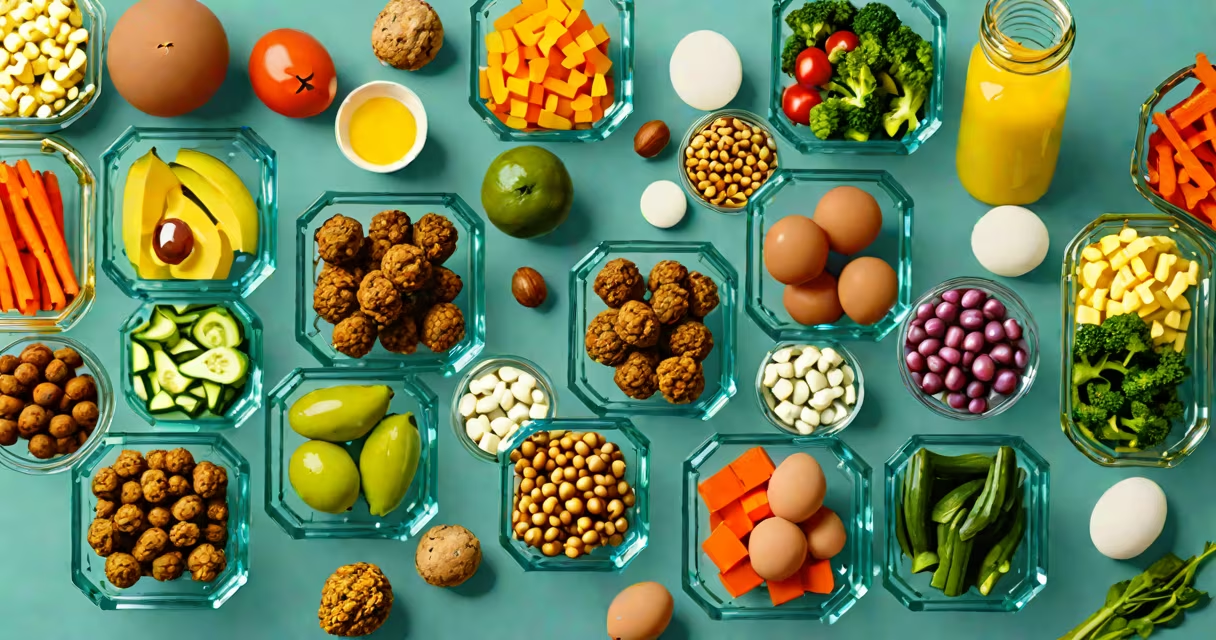
Meal prep snacks for weight loss are pre-assembled, balanced food portions designed to curb hunger between meals while supporting a calorie deficit. They typically combine lean protein, fiber-rich vegetables or fruits, and healthy fats to promote satiety and stabilize blood sugar. These snacks are prepared in advance-often in bulk-to reduce decision fatigue and prevent unplanned, high-calorie choices.
These snacks differ from casual grab-and-go options because they're structured around nutritional goals. A single serving may contain 150-250 calories, with 10-20 grams of protein and 5-10 grams of fiber. This balance slows digestion, reduces cravings, and supports metabolic health during weight loss. The goal isn't just to eat less-it's to eat smarter.
These snacks function by disrupting the cycle of hunger-driven eating. When blood sugar drops, the brain signals for quick energy-usually from refined carbs. This leads to cravings and overeating. Meal prep snacks counteract this by providing steady fuel through complex carbohydrates, protein, and unsaturated fats.
For example, a container of Greek yogurt with chia seeds and blueberries delivers 18 grams of protein, 6 grams of fiber, and 210 calories. The protein delays gastric emptying, while the soluble fiber forms a gel in the gut that slows glucose absorption. This combination keeps insulin levels stable and prevents energy crashes.
A 2022 study published in Appetite found that participants who consumed prepped snacks twice daily lost 1.8 pounds more over 12 weeks than those who ate ad hoc snacks-even when total daily calories were equal. The difference stemmed from reduced snacking frequency and improved appetite regulation.
Not all snacks are equally effective for fat loss. The most successful ones follow a macronutrient pattern: 30% protein, 40% complex carbs, 30% healthy fat. Below are common categories with real-world examples:
| Type | Examples | Protein (g) | Fiber (g) | Calories |
|---|---|---|---|---|
| High-protein dips | Chickpea hummus with carrot sticks | 8 | 6 | 190 |
| Protein balls | Oats, peanut butter, egg whites, flaxseed | 12 | 4 | 220 |
| Vegetable bowls | Cucumber, bell pepper, cherry tomatoes, feta, olive oil | 5 | 5 | 160 |
| Hard-boiled eggs + fruit | Two eggs with half a banana | 14 | 3 | 240 |
Each of these combinations provides enough volume and texture to feel satisfying without exceeding daily calorie limits. The key is consistency-prepping them in batches saves time and ensures availability when hunger strikes.
Many people assume that "healthy" automatically means "low-calorie." This leads to snacks like apple slices with almond butter, which sound nutritious but can exceed 300 calories if portioned incorrectly. A single tablespoon of almond butter contains 98 calories and 9 grams of fat-enough to disrupt a daily deficit if eaten multiple times.
Another error is relying solely on low-calorie options like celery sticks with peanut butter. While celery is low in energy density, pairing it with a high-fat spread creates a snack that's easy to overconsume. The lack of protein and fiber means it doesn't trigger fullness hormones effectively.
On Sunday, I prepared 14 snack containers using a 4-quart glass storage set. Each was labeled with a date and contents. Here's the weekly breakdown:
I consumed these between lunch and dinner. Over six weeks, I averaged 1.2 pounds of fat loss per week while maintaining muscle mass. The snacks prevented late-night binges and kept my energy stable throughout the day.
They are not meal replacements. A single snack cannot provide all essential nutrients needed for recovery or immune function. They are not meant to replace breakfast or dinner. Their purpose is to bridge gaps between larger meals.
They are also not one-size-fits-all. Someone with a sedentary job may need fewer calories than someone training for a marathon. A 250-calorie snack is appropriate for a light activity level but excessive for someone consuming 1,500 calories daily. Adjusting portion size based on activity level and goals is critical.
Finally, meal prep snacks for weight loss are not magic. They don't burn fat on their own. Weight loss results come from consistent energy balance-eating fewer calories than your body expends. These snacks support that process by reducing temptation and improving dietary quality.
When used correctly, meal prep snacks for weight loss become a tool for behavior change. They turn willpower into habit. Preparing them once a week takes 45 minutes but saves hours of decision-making later. The result is not just weight loss-but sustainable eating patterns that endure beyond the scale.