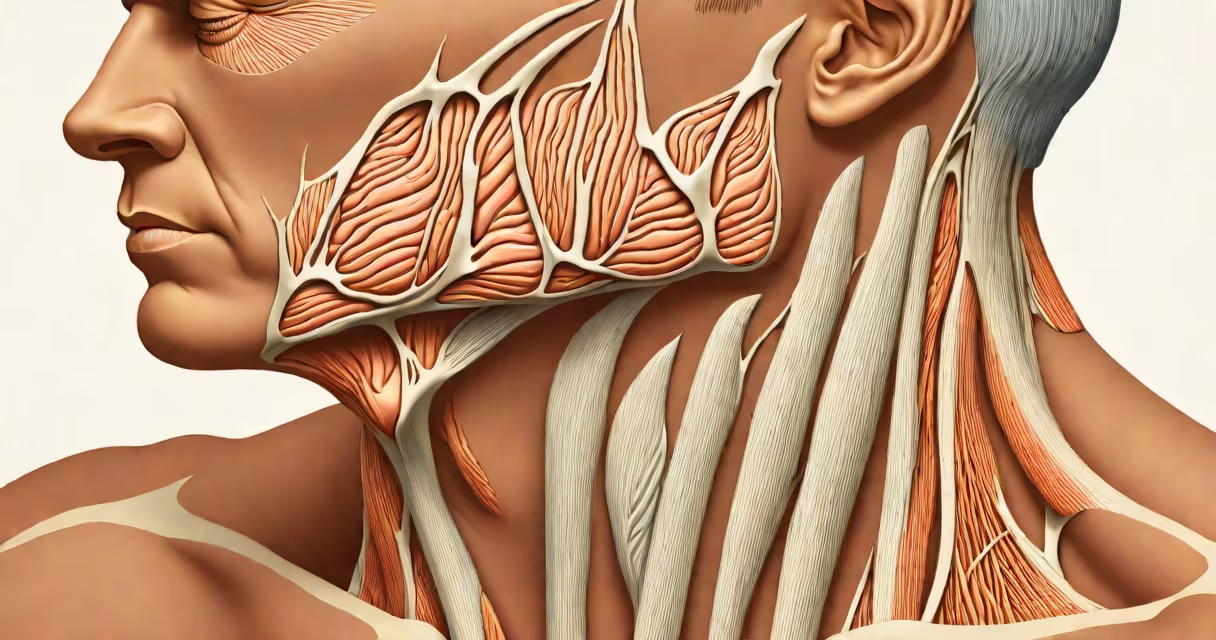
muscle contraction in neck refers to the involuntary tightening of neck muscles, often resulting in stiffness, localized pain, or referred pain such as headaches. This occurs when muscle fibers shorten and remain contracted beyond normal function, typically due to stress, poor posture, or sudden movement.
Neck muscles contract to stabilize the head and support posture. When they overwork or are injured, they may enter sustained contraction-a state known as spasm or cramp. These contractions disrupt normal movement and can restrict range of motion. The most common muscles involved are the sternocleidomastoid, trapezius, and levator scapulae.
Unlike voluntary movements like turning your head, muscle contraction in neck happens without conscious control. It's not always visible, but signs include tenderness, limited neck rotation, and a feeling of heaviness or tightness. In severe cases, it may trigger migraines or radiate pain to the shoulders or upper back.
Neck muscles contract in response to signals from the nervous system. When the brain detects potential threat-like poor posture during screen time-it activates motor neurons to tighten muscles around the spine. This is protective in short bursts but becomes problematic when sustained.
Prolonged sitting with the head forward (text neck) increases load on the cervical spine. A 2018 study in *Spine Journal* found that for every inch the head moves forward, the effective weight on the neck increases by 10 pounds. At 6 inches forward, that's 60 pounds of pressure-enough to strain muscles and trigger sustained contraction.
Other triggers include emotional stress, dehydration, electrolyte imbalance, and nerve irritation. For example, a pinched nerve in the cervical spine can cause reflexive muscle guarding, leading to chronic contraction even after the original injury heals.
Not all contractions are the same. They fall into categories based on duration, cause, and symptoms:
| Type | Duration | Common Cause | Typical Symptoms |
|---|---|---|---|
| Acute spasm | Minutes to hours | Sudden movement, trauma | Sudden sharp pain, limited motion |
| Chronic tension | Days to weeks | Poor ergonomics, stress | Dull ache, stiffness, fatigue |
| Referred pain pattern | Hours to days | Nerve compression, joint dysfunction | Pain radiating to temple or shoulder |
One non-obvious distinction: acute spasms often resolve within 24-48 hours with rest and gentle movement. Chronic tension, however, persists because the underlying cause-like a desk setup that forces the neck into flexion-is never addressed.
For example, a person who works 10 hours daily at a computer with their monitor too low may develop chronic contraction in the upper trapezius. Over time, this leads to a persistent ache between the shoulder blades and frequent tension headaches.
Many people mistake muscle contraction in neck for arthritis or disc herniation. While both can cause neck pain, they differ in mechanism. Arthritis involves joint degeneration; disc herniation compresses nerves. Muscle contraction results from neuromuscular overload, not structural damage.
Another error: treating the symptom instead of the root cause. Applying heat to a tight neck may feel good temporarily, but if the cause is poor posture, heat alone won't prevent recurrence. A 2020 review in *Journal of Orthopaedic & Sports Physical Therapy* found that patients who combined posture correction with targeted stretching reduced recurrence rates by 62% compared to those using heat alone.
Some assume that muscle contraction always means injury. That's false. Healthy individuals experience brief contractions during yawning or stretching. The issue arises when contraction becomes prolonged or painful.
Consider a 34-year-old graphic designer who reports daily neck pain after 8-hour workdays. She sits with her chin jutting forward, monitor 18 inches below eye level. Her neck muscles-especially the upper trapezius-remain in constant contraction to hold the head upright.
This case illustrates that muscle contraction in neck isn't always structural-it's often mechanical. Correcting alignment reduces neural drive to the muscles, allowing them to relax.
If neck contraction lasts longer than three days, worsens with movement, or causes numbness, seek medical evaluation. Persistent contraction may indicate cervical radiculopathy or myofascial pain syndrome, conditions requiring professional intervention.
For mild to moderate cases, start with posture correction. Position your monitor at eye level. Take a 5-minute break every hour to stretch. Gently tilt your head side to side, then rotate slowly. Hold each position for 15 seconds.
I've seen clients improve after adopting a simple routine: 2 minutes of neck rolls at the start of the day, 1 minute of chin tucks during video calls. These small actions reduce muscle activation patterns that lead to sustained contraction.
Understanding muscle contraction in neck as a functional response, not a flaw, changes how we approach treatment. It's not about forcing muscles to stay still. It's about restoring their natural rhythm through movement, awareness, and environmental adjustment.