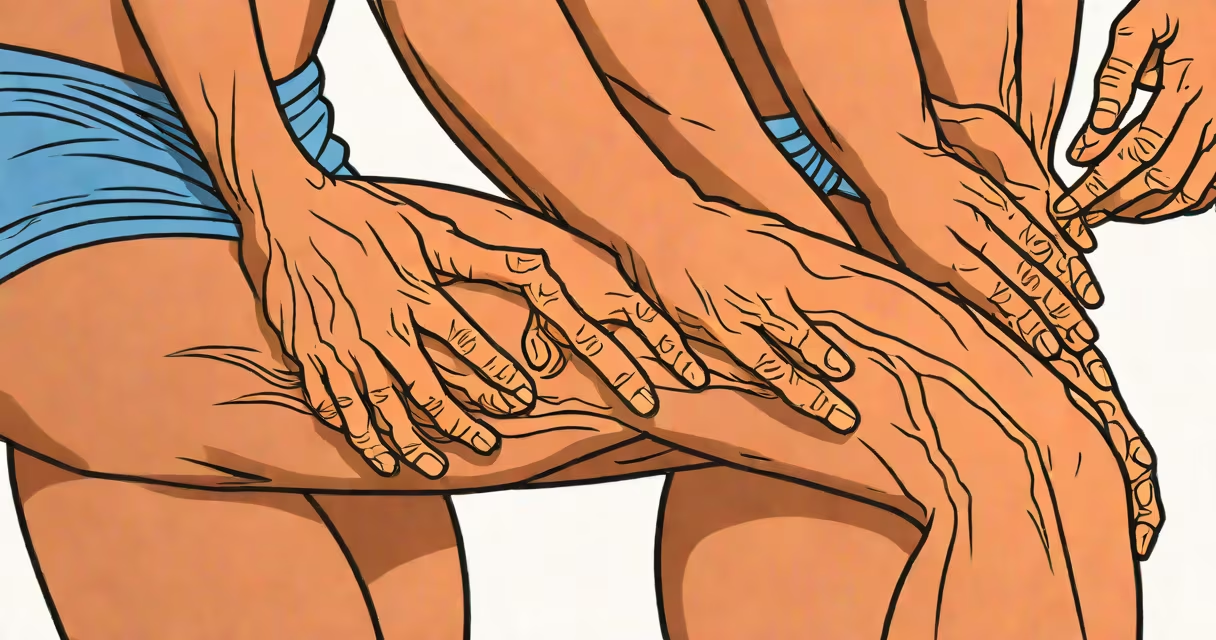
A muscle spasm in your thigh is a sudden, involuntary contraction of the muscles in the upper or lower leg, often causing sharp pain, tightness, or a knot-like feeling. These spasms typically last seconds to minutes and resolve on their own, though they can recur. They result from nerve signals triggering muscle fibers to contract without voluntary control.
Thigh muscles-especially the quadriceps (front) and hamstrings (back)-are prone to spasms due to high usage during walking, running, or standing. The most common cause is muscle fatigue from overuse, dehydration, or electrolyte imbalances. Spasms may also stem from nerve compression, poor circulation, or underlying conditions like peripheral neuropathy.
According to the American Academy of Orthopaedic Surgeons (AAOS), about 90% of muscle spasms are benign and linked to physical strain or minor dehydration. However, persistent or recurring spasms may indicate a deeper issue requiring medical evaluation. Identifying the specific muscle group involved helps narrow the cause.
When a muscle contracts involuntarily, motor neurons fire signals from the spinal cord to the muscle fibers. Normally, relaxation follows when the signal stops. But in a spasm, the signal continues or misfires, causing sustained contraction. This disrupts blood flow, leading to ischemia and pain.
The process begins with a stimulus-like prolonged exercise, cold exposure, or low potassium levels-that alters the electrical balance in muscle cells. Sodium and calcium flood into the cell, triggering actin and myosin filaments to slide past each other. Without proper ATP to power relaxation, the muscle stays locked in place until the ion imbalance corrects itself.
For example, a runner who increases mileage too quickly may develop hamstring spasms after mile 6. The muscle becomes fatigued, calcium leaks from the sarcoplasmic reticulum, and spontaneous contractions occur. The sensation feels like a hard lump under the skin, often accompanied by a burning or cramping pain.
Spasms in the thigh fall into two categories based on duration and cause:
| Type | Duration | Common Causes | Typical Relief |
|---|---|---|---|
| Acute (short-term) | Seconds to 5 minutes | Overuse, dehydration, cold, sudden movement | Stretching, hydration, massage |
| Chronic (recurring) | Minutes to hours, multiple episodes | Nerve compression, electrolyte deficiency, medication side effects | Medical evaluation, supplements, physical therapy |
Acute spasms are usually harmless and resolve with rest. Chronic ones may signal an underlying condition such as sciatica or restless legs syndrome. A 2021 study in Neurology found that people with recurrent leg cramps had lower serum magnesium levels compared to controls.
Non-obvious triggers include certain medications-such as statins for cholesterol-or thyroid disorders. A patient reported experiencing daily hamstring spasms after starting atorvastatin; symptoms improved after switching to pravastatin under medical supervision.
Most thigh spasms affect the quadriceps or hamstrings. The quadriceps, responsible for extending the knee, are active during walking, climbing stairs, or sprinting. Hamstring spasms often occur during stretching or sudden deceleration, such as stopping mid-stride.
High-risk scenarios include prolonged sitting (which reduces blood flow), exercising in hot weather (leading to sweat-induced sodium loss), or sleeping in awkward positions that compress nerves. For instance, lying on your side with knees bent can compress the sciatic nerve, triggering a spasm in the posterior thigh.
Spasms are more likely during pregnancy due to increased weight and shifting center of gravity. The National Institutes of Health (NIH) reports that 40% of pregnant women experience leg cramps, especially in the third trimester.
Many confuse muscle spasms with other conditions. A spasm is a brief, localized contraction. It differs from a strain-a tear in muscle fibers-and from fasciculations, which are tiny, visible twitches under the skin caused by nerve activity.
People often mistake a spasm for a blood clot (deep vein thrombosis). While both can cause leg pain, DVT pain is constant, worsens with standing, and may involve swelling or discoloration. A spasm resolves quickly and doesn't cause edema.
In 2022, a 34-year-old marathoner experienced frequent hamstring spasms during long runs. He was training 60 miles per week and drinking only water. After a 20-mile run, he felt a sudden, intense cramp behind his left knee. The muscle tightened into a hard knot, forcing him to stop. He stretched, hydrated with electrolyte solution, and walked slowly for 10 minutes. The spasm subsided within 3 minutes.
He later adjusted his routine: added sodium and potassium-rich snacks, reduced weekly mileage by 15%, and began changing warm-ups. Over six weeks, spasms decreased from five times per week to one episode every two weeks. His doctor confirmed normal electrolyte levels via blood test.
Seek care if spasms occur frequently (more than twice a week), last longer than 10 minutes, or happen at rest. Also consult a provider if you notice weakness, numbness, or swelling. These signs may indicate peripheral neuropathy, spinal stenosis, or vascular issues.
For example, a 58-year-old man developed nightly thigh spasms that woke him from sleep. He had no history of exercise. MRI revealed lumbar spinal stenosis compressing the L5 nerve root. After decompression surgery, spasms resolved completely.
Prevention includes regular stretching, staying hydrated, and maintaining balanced nutrition. The Mayo Clinic recommends consuming 4,700 mg of potassium daily-found in bananas, spinach, and sweet potatoes-to reduce cramping risk.
Understanding muscle spasm in my thigh begins with recognizing it as a temporary, localized event. Most resolve without treatment. When they don't, identifying the root cause leads to effective management.